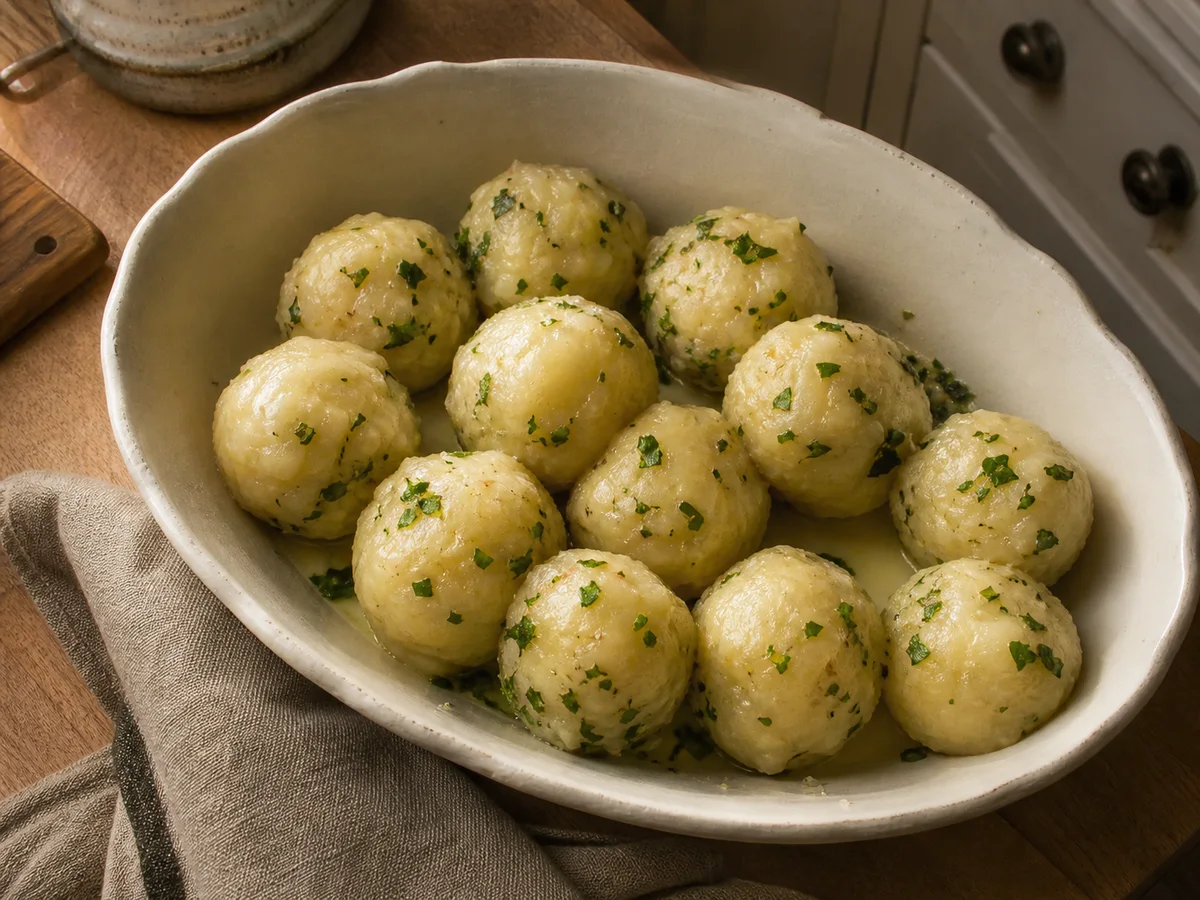
Potato balls (“Kartoffelklösse”)
Potato balls (“Kartoffelklösse”), preserved from Marion Harland’s 1903 cookbook with ingredient cues including three cupfuls of potatoes, one cupful of bread, two eggs, well-beaten, separately.
View recipeA growing cited recipe library
Search naturally—“kid-friendly vegetarian dinners under 35 minutes without mushrooms”—and WorkLife AI will interpret the constraints for you.
Every live recipe links to its original public-domain source. Twelve featured recipes are modern WorkLife adaptations; 888 archive recipes preserve measured source-text ingredient cues and original methods without pretending they were independently kitchen-tested. See our sourcing standard.
Understands time, dietary needs, ingredients, exclusions, leftovers, and cleanup.
Build a complete smart cart
Potato balls (“Kartoffelklösse”), preserved from Marion Harland’s 1903 cookbook with ingredient cues including three cupfuls of potatoes, one cupful of bread, two eggs, well-beaten, separately.
View recipe
A historic dinner preparation beginning with butter, preserved with an exact page-level citation.
View recipe
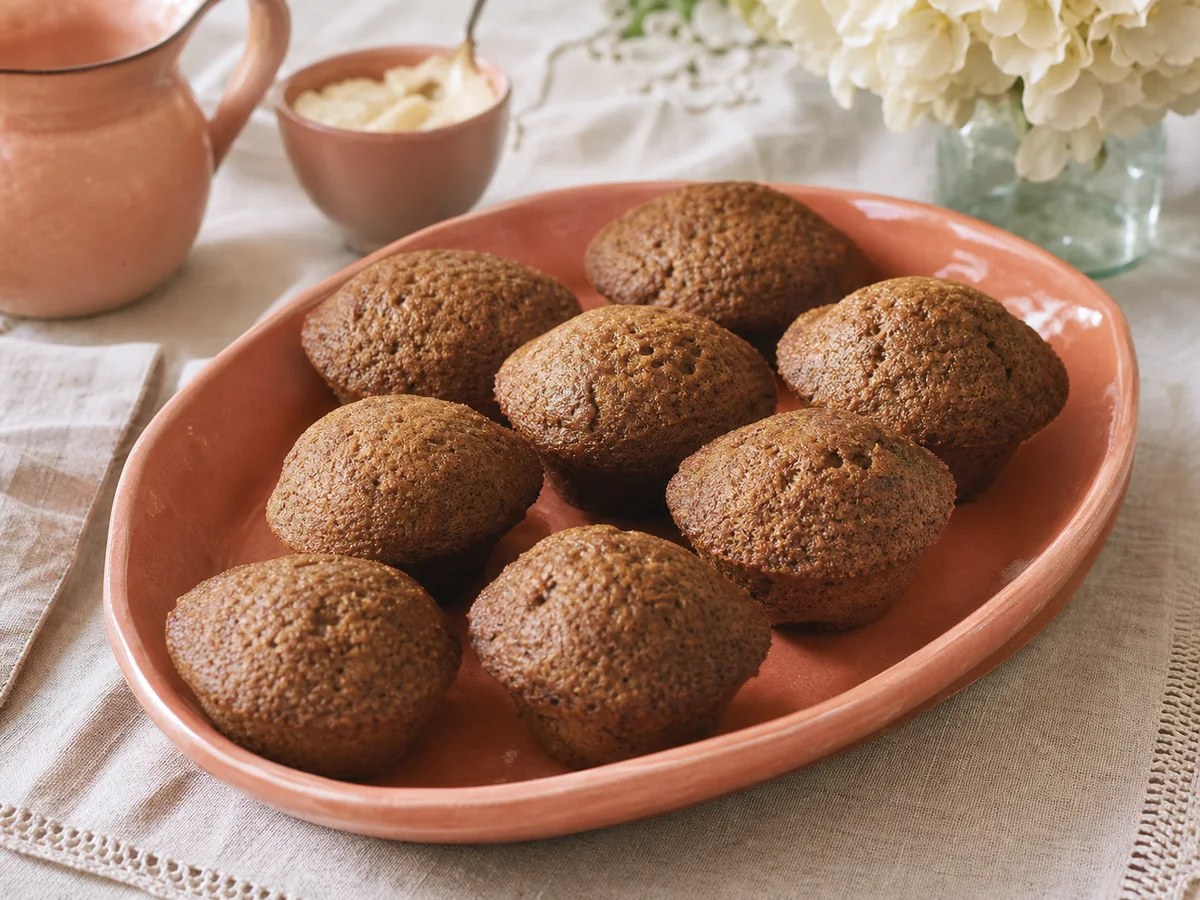
Marion Harland’s original method for Risen brunette muffins, retained as a source transcription for modern discovery.
View recipe
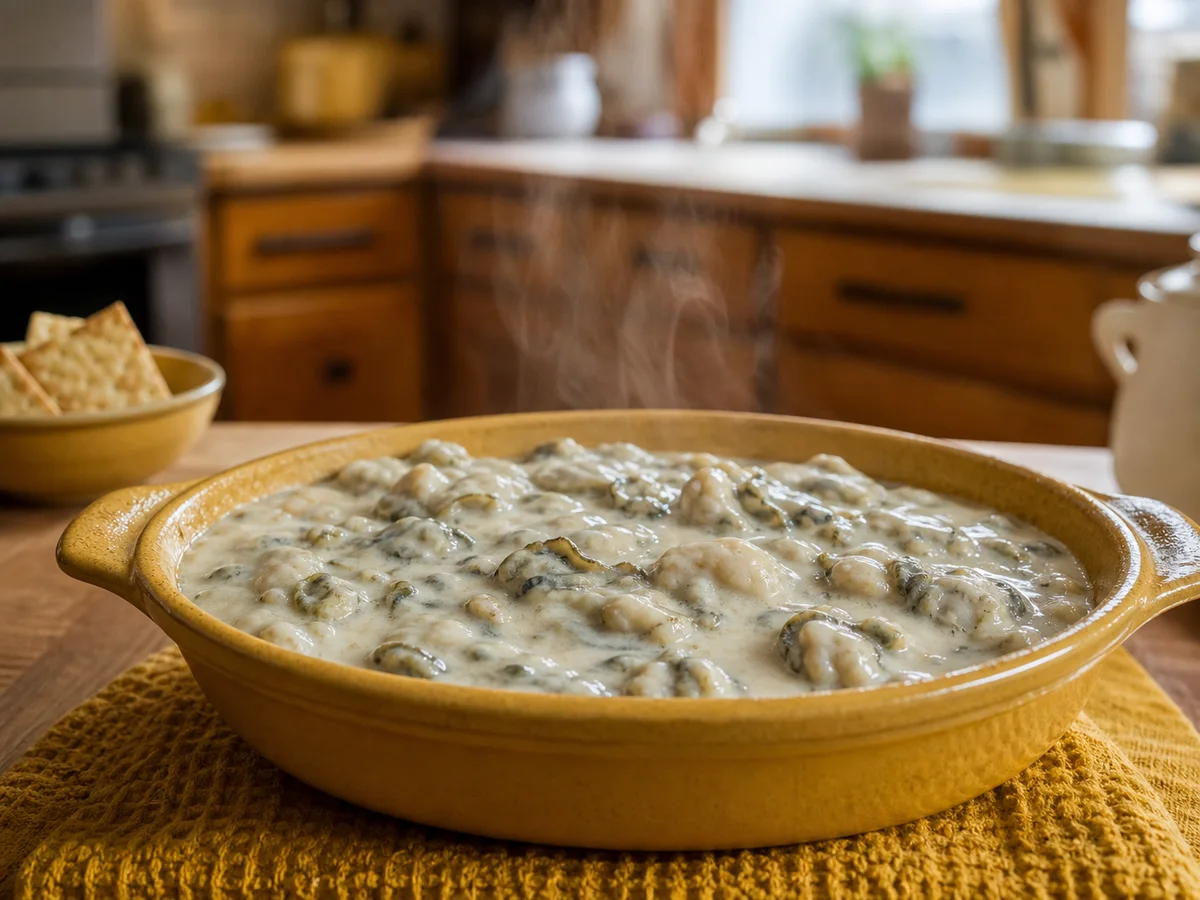
The original 1910 method for Creamed Oysters, presented as a faithful archival transcription.
View recipe
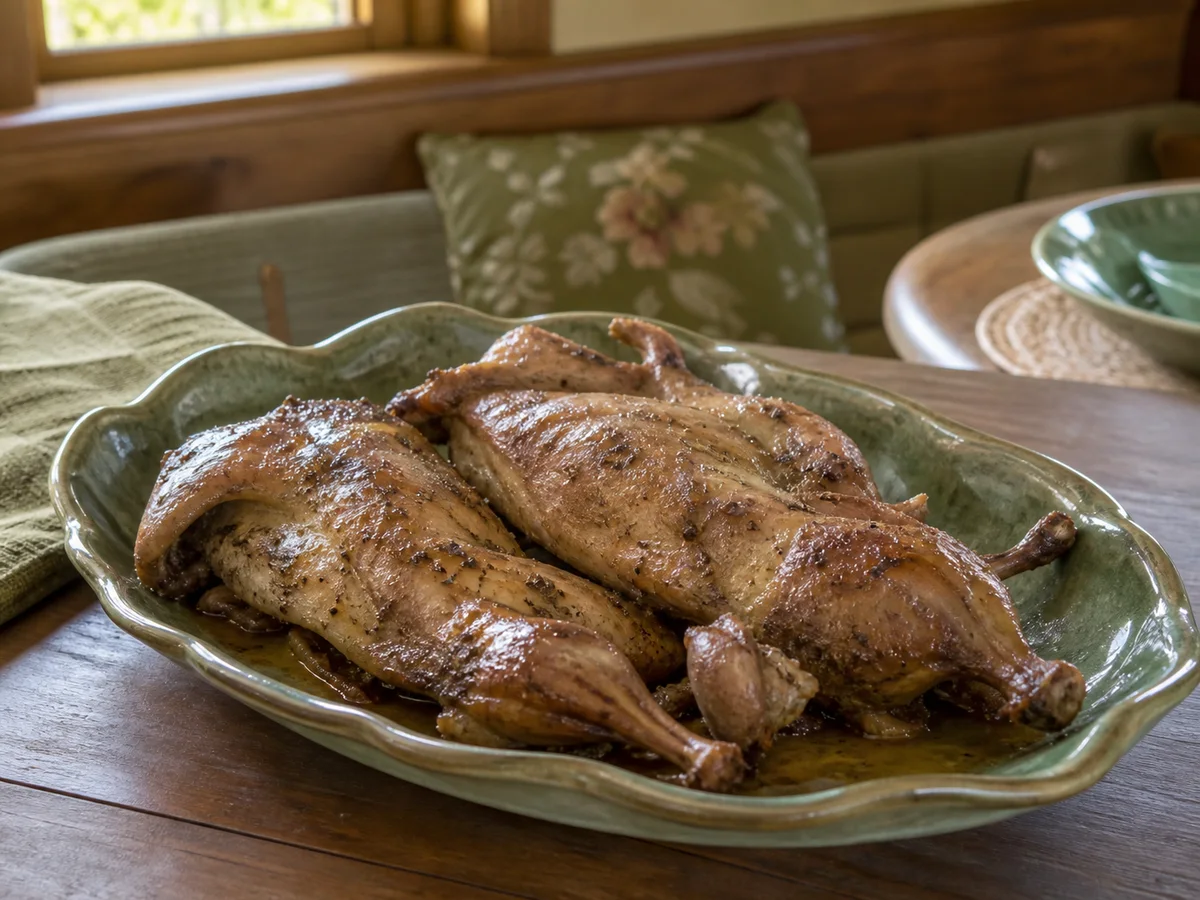
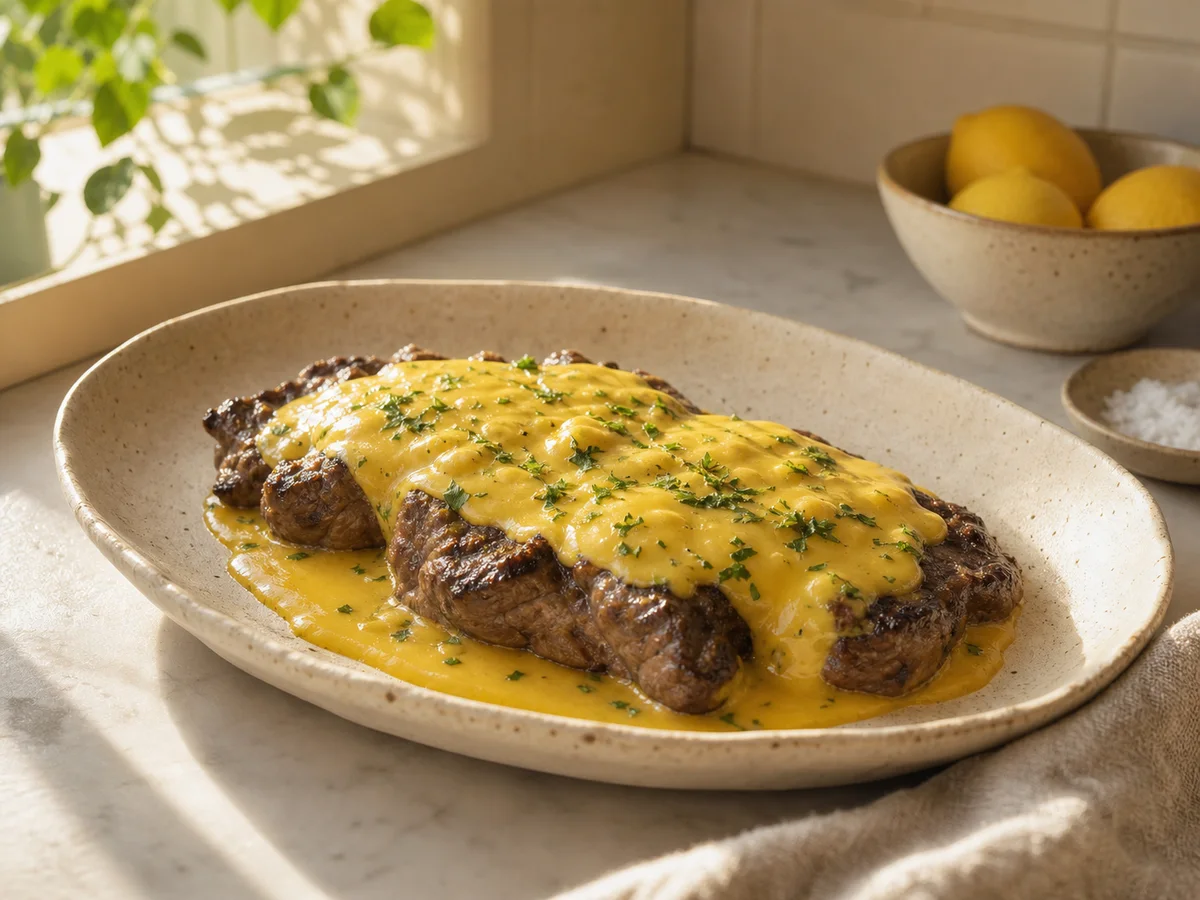
Broiled squirrels, preserved from Marion Harland’s 1903 cookbook with ingredient cues including skin, clean and lay in a marinade of salad oil and lemon juice for one hour.
View recipe
A page-cited historical dinner recipe from Marion Harland, transcribed with its original method.
View recipe
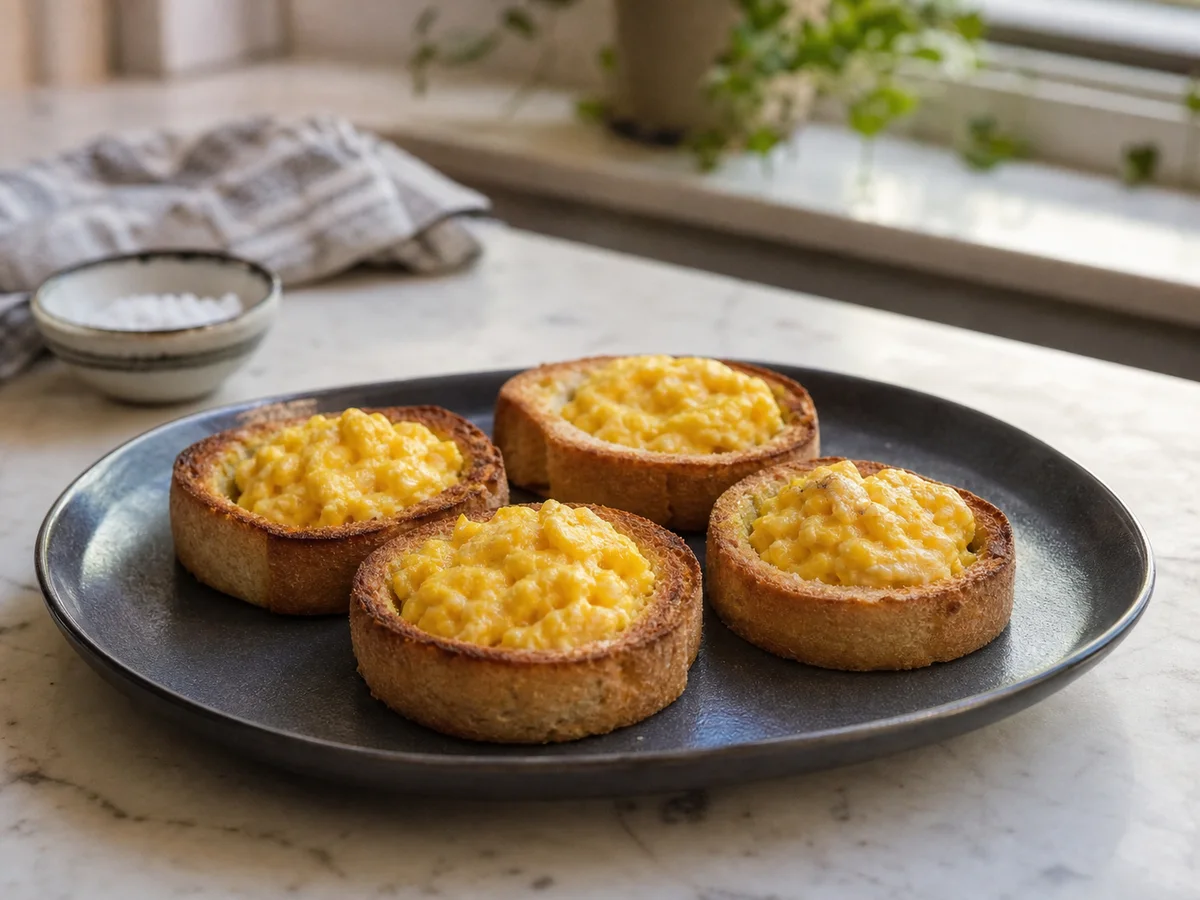
Scrambled eggs in cups, preserved from Marion Harland’s 1903 cookbook with ingredient cues including with a rather large tin “shape” cut round out of slices of stale bread an inch thick.
View recipe
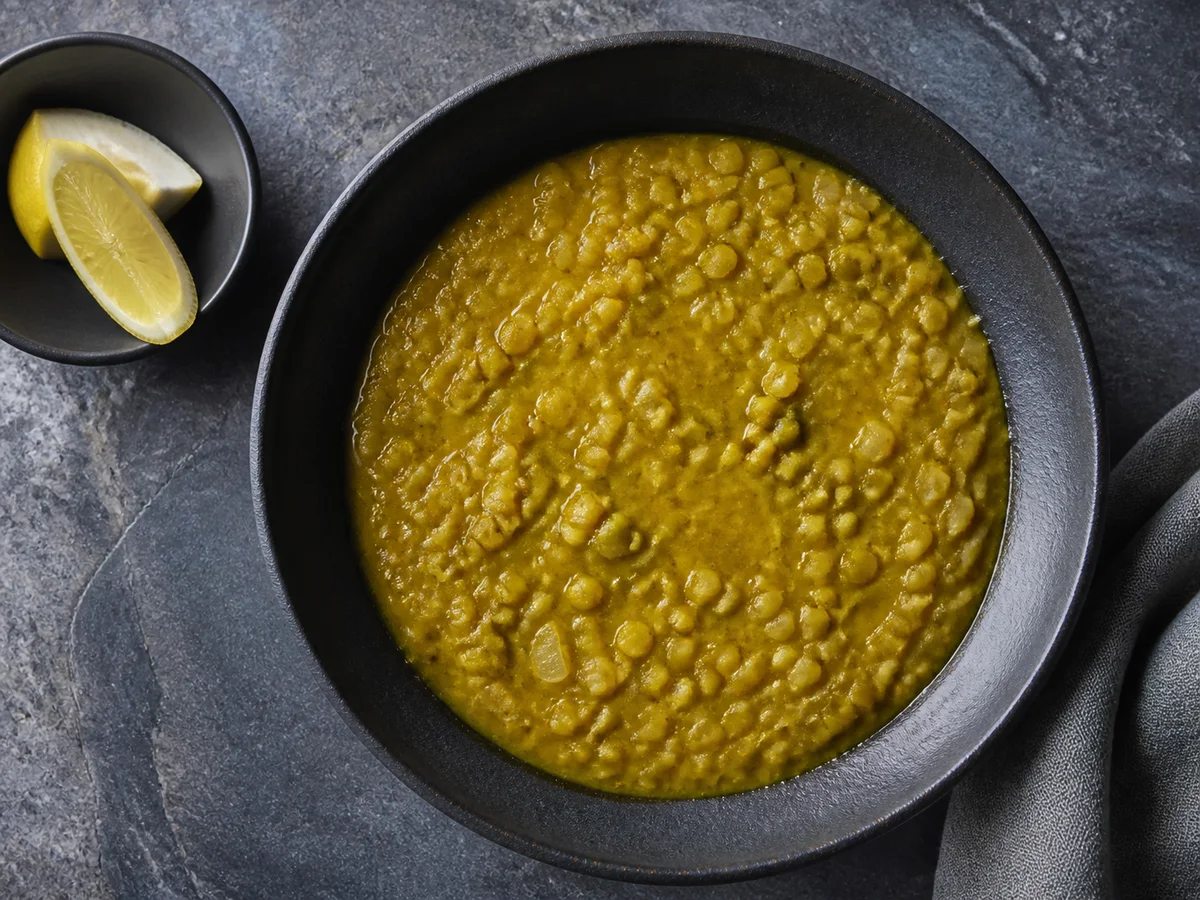
An economical, pantry-friendly split-pea curry with a measured spice ratio from a 1917 Hindustani recipe collection.
View recipe
A page-cited historical dinner recipe from Marion Harland, transcribed with its original method.
View recipe
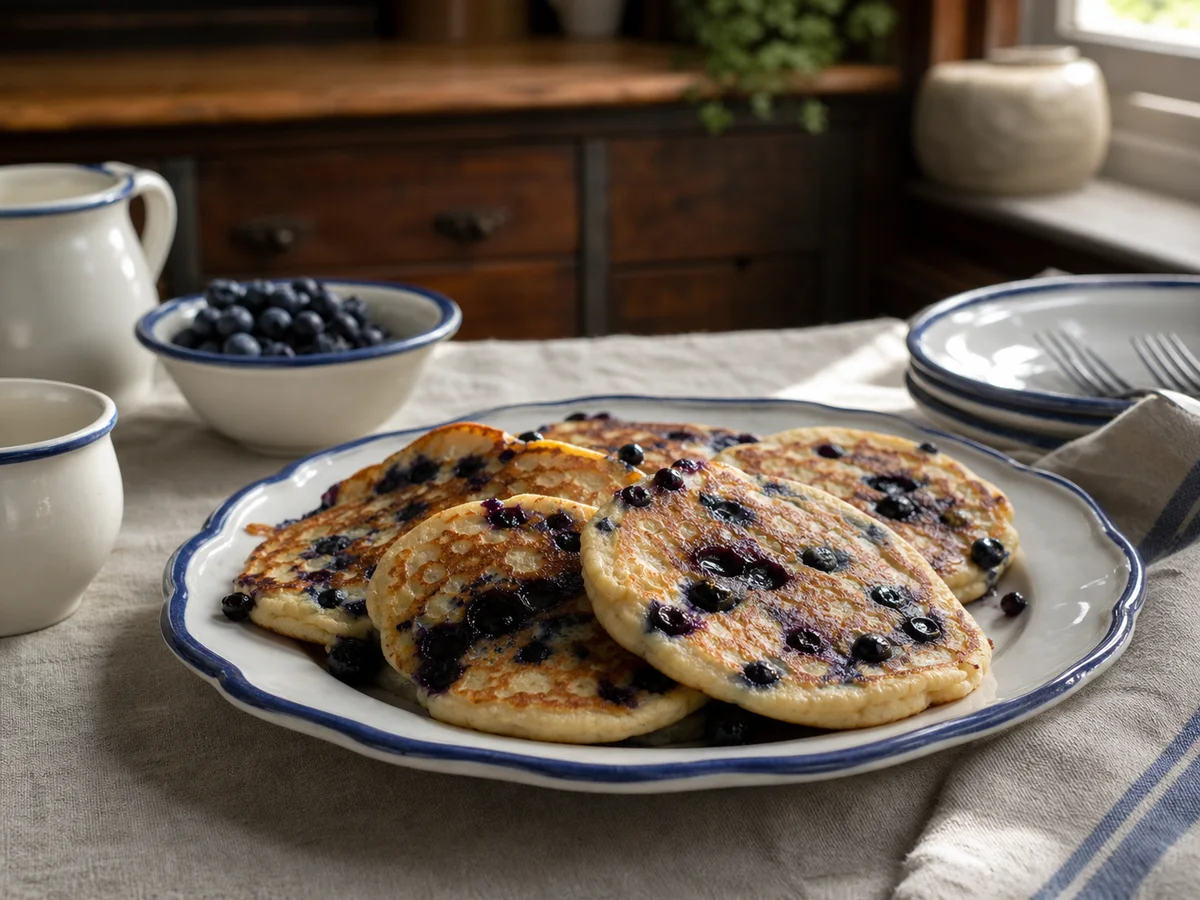
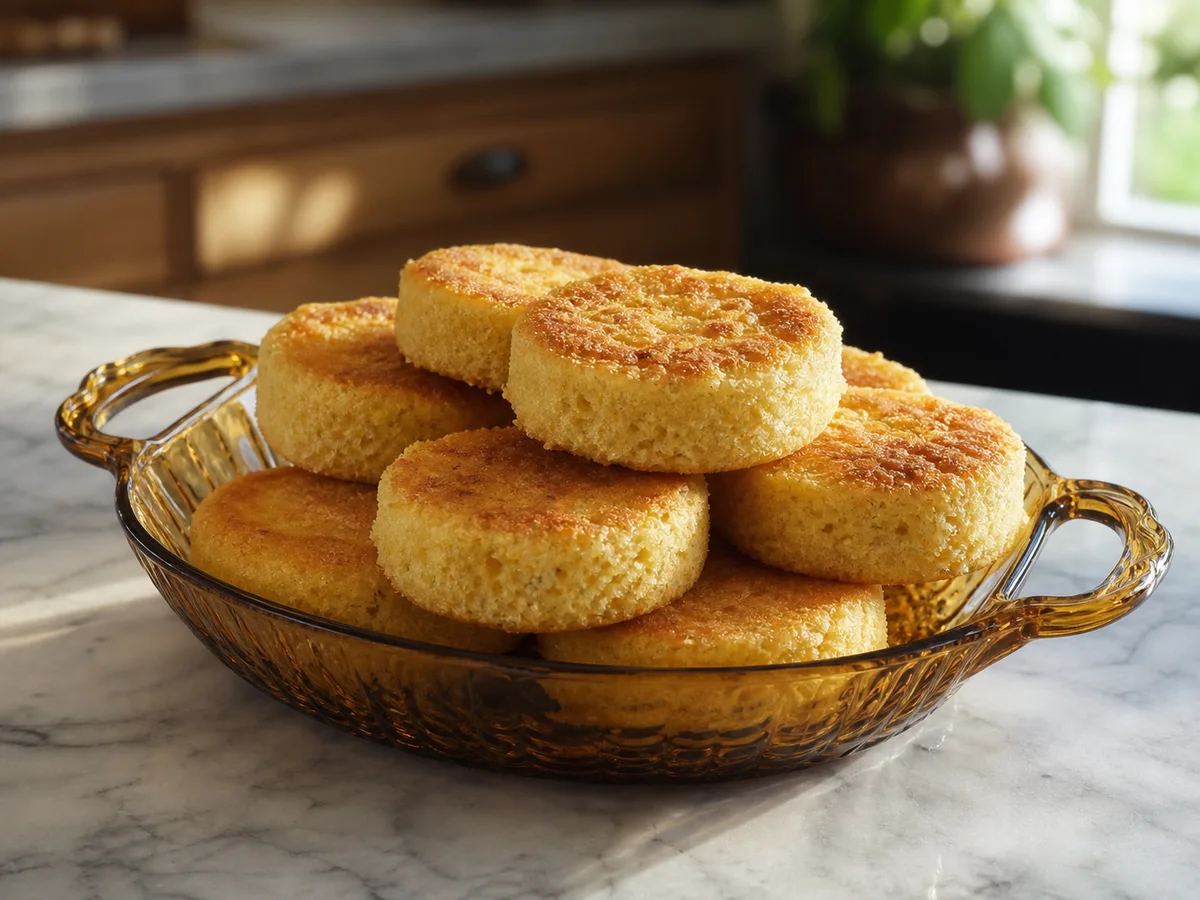
Indian meal crumpets, preserved from Marion Harland’s 1903 cookbook with ingredient cues including heat a quart of milk to scalding and pour it gradually upon two full cups of corn-me.
View recipe
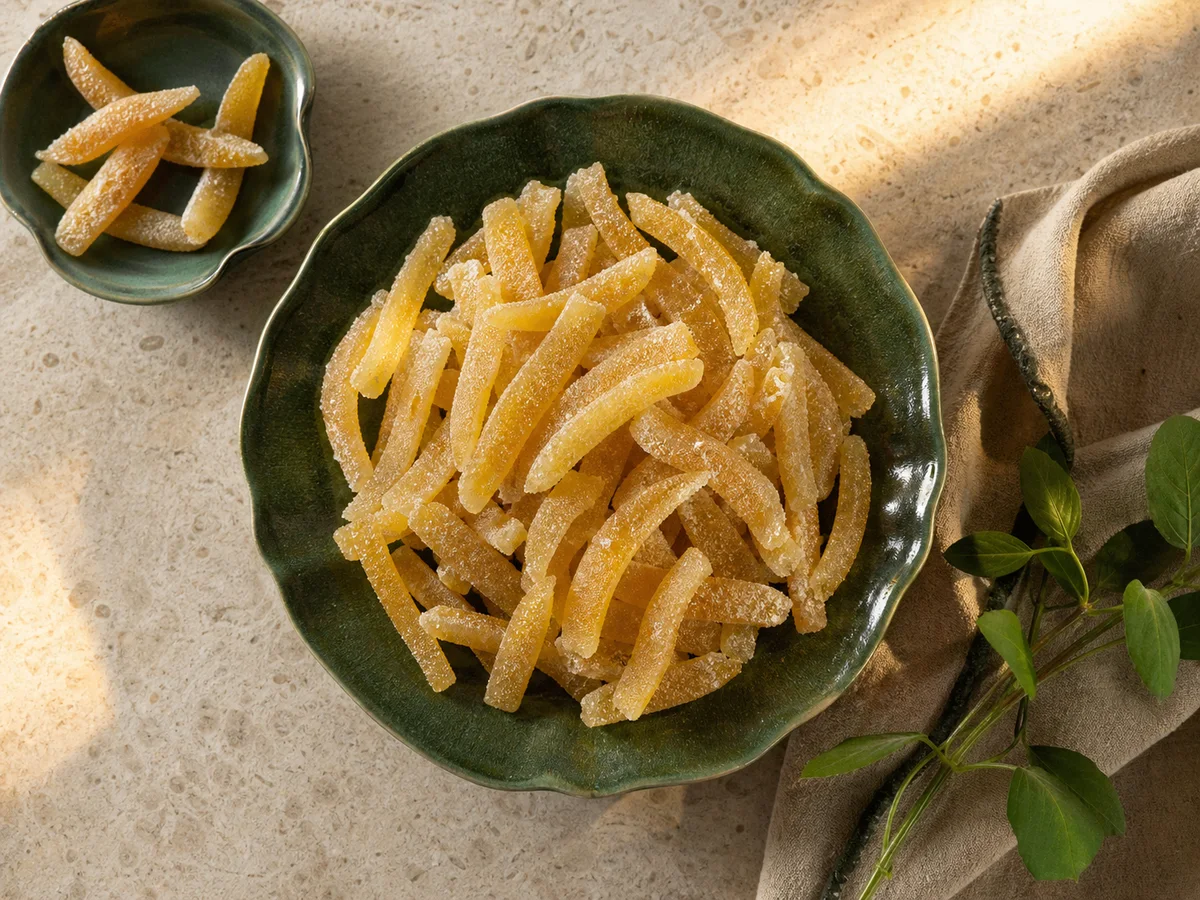
Marion Harland’s original method for Candied citron, retained as a source transcription for modern discovery.
View recipe
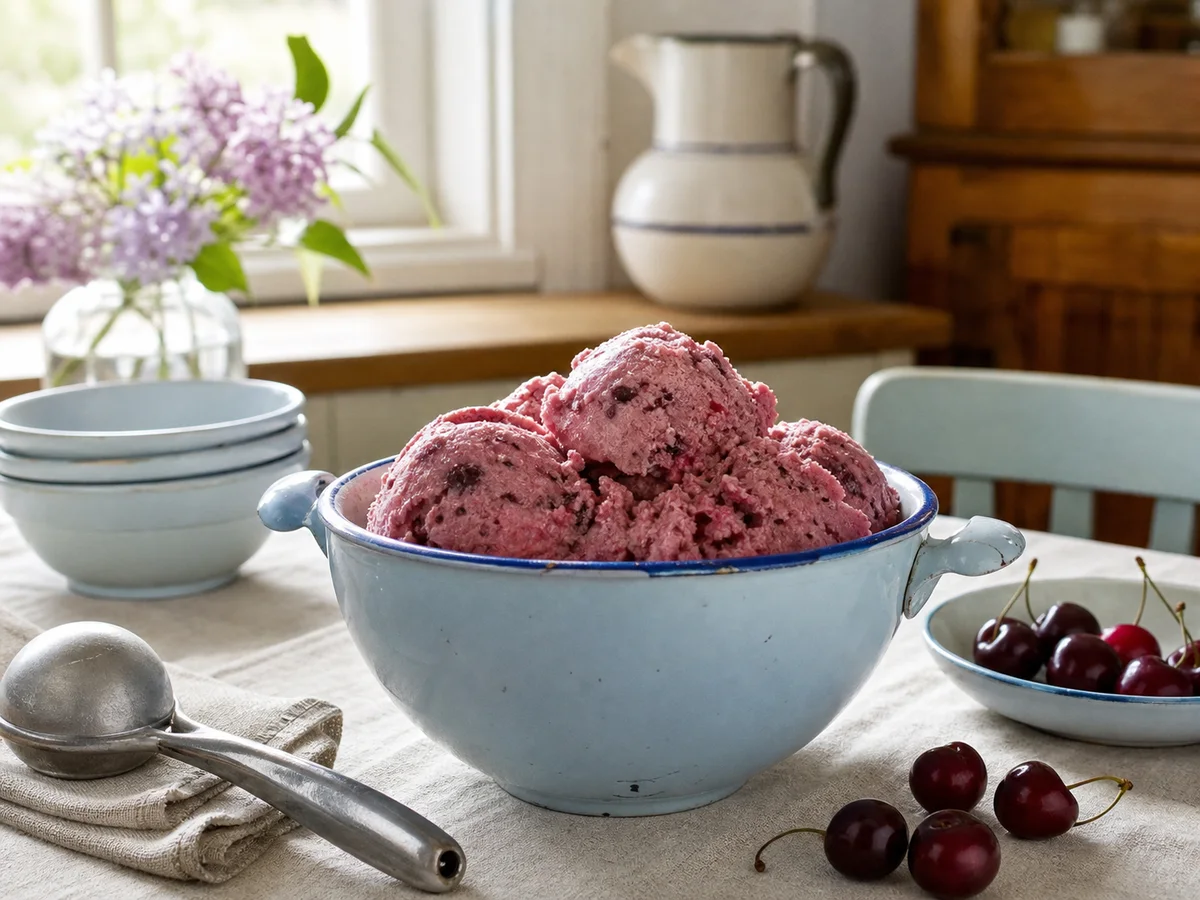
Cherry ice, preserved from Marion Harland’s 1903 cookbook with ingredient cues including stem and stone a quart of cherries, crush and cover them with two cupfuls of sugar.
View recipe
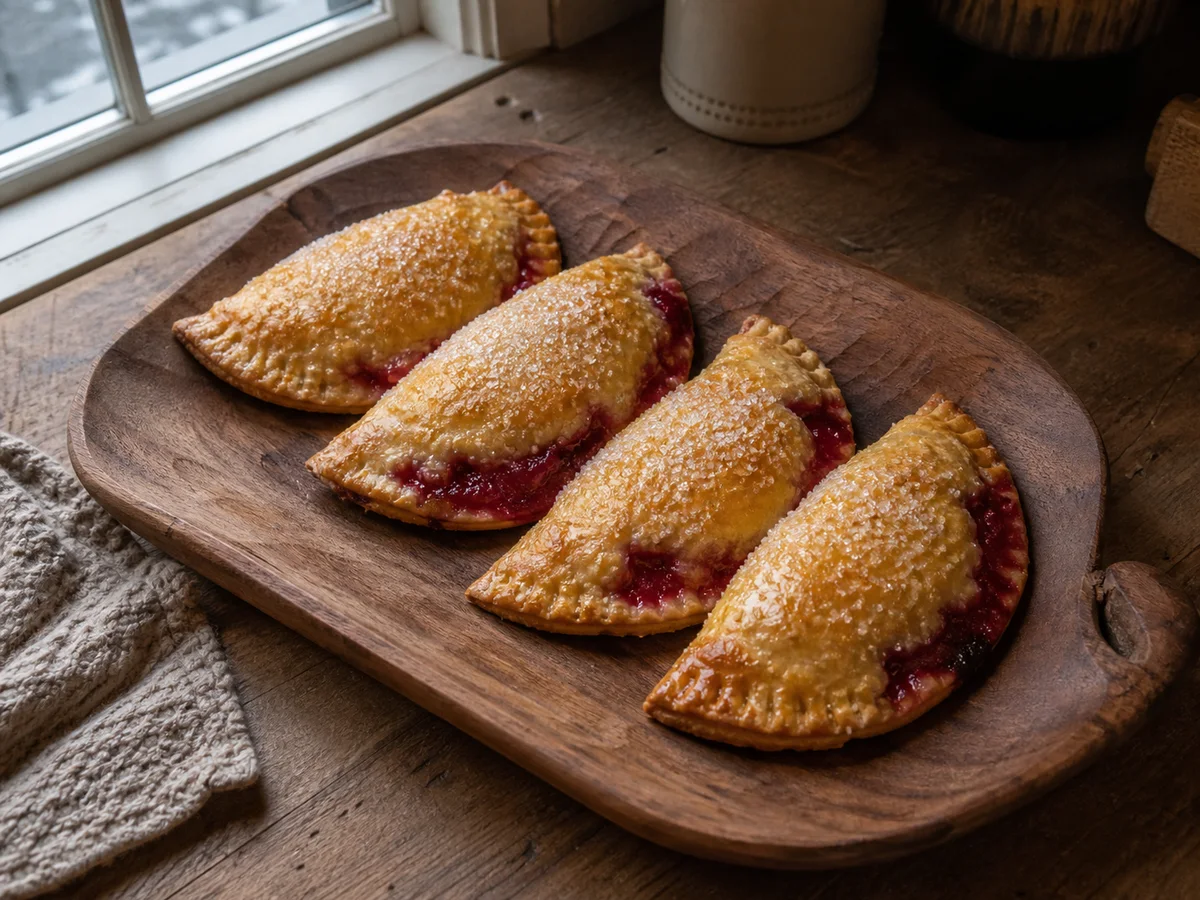
Turnover pies, preserved from Marion Harland’s 1903 cookbook with ingredient cues including fruit over one-half of the piece.
View recipe
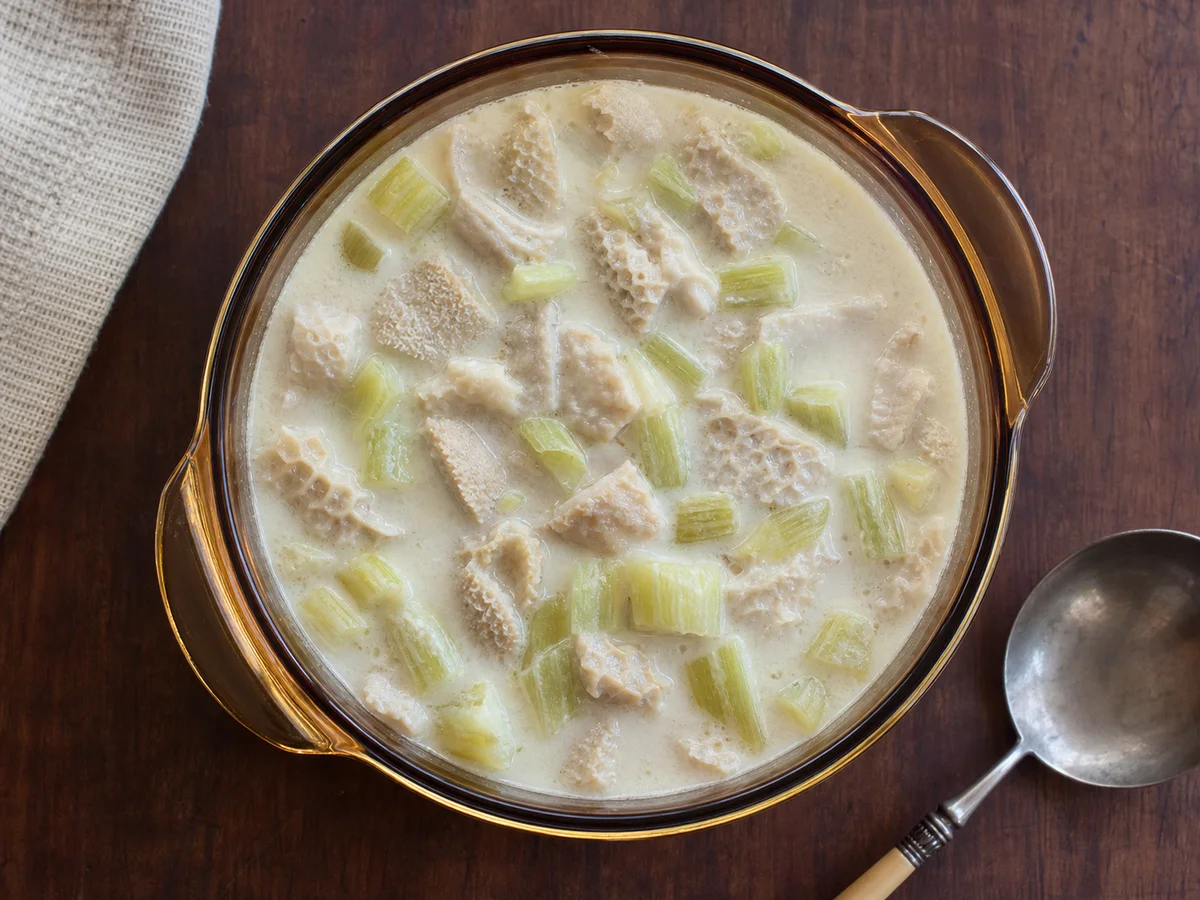
Stewed tripe and celery, preserved from Marion Harland’s 1903 cookbook with ingredient cues including cut into inch pieces enough celery to make a cupful, and stew tender in salted, boil.
View recipe
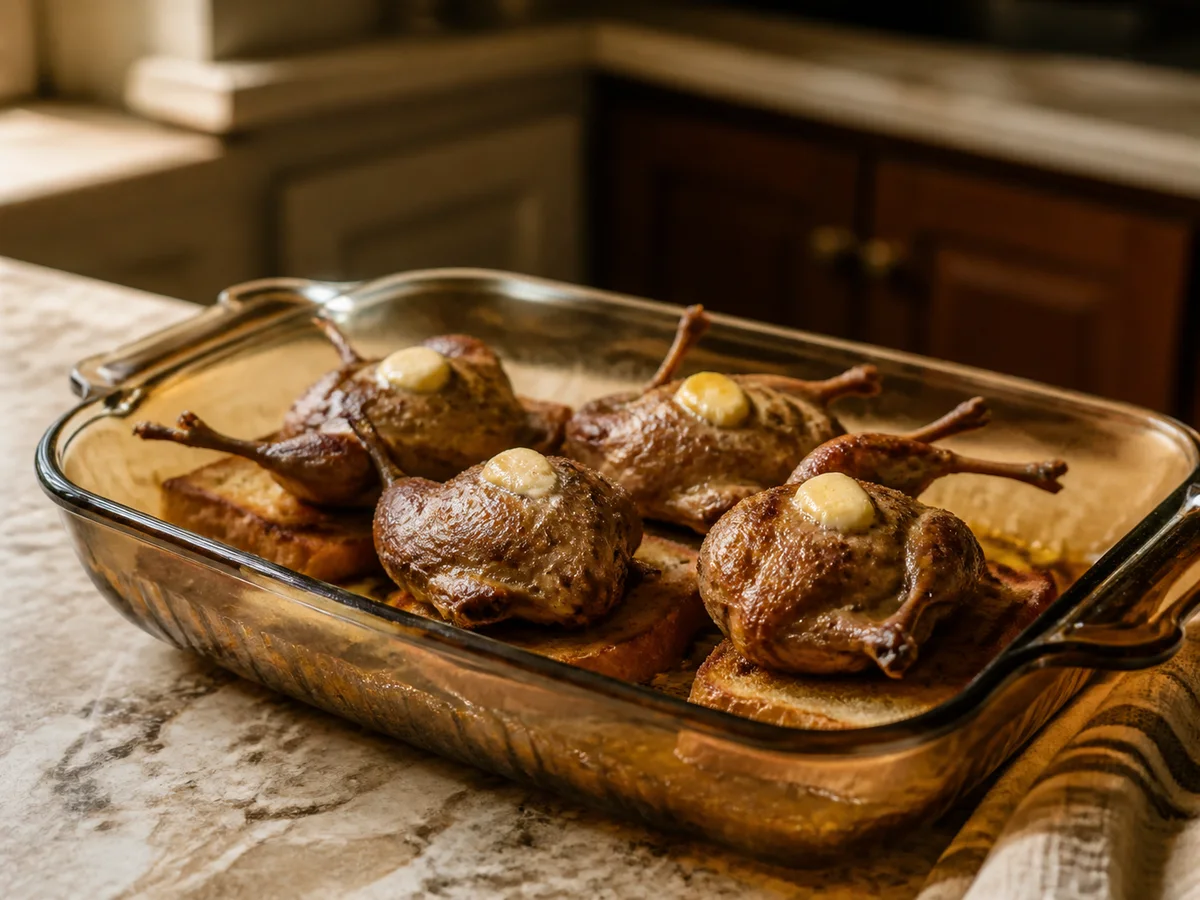
Marion Harland’s original method for Broiled quail, retained as a source transcription for modern discovery.
View recipe
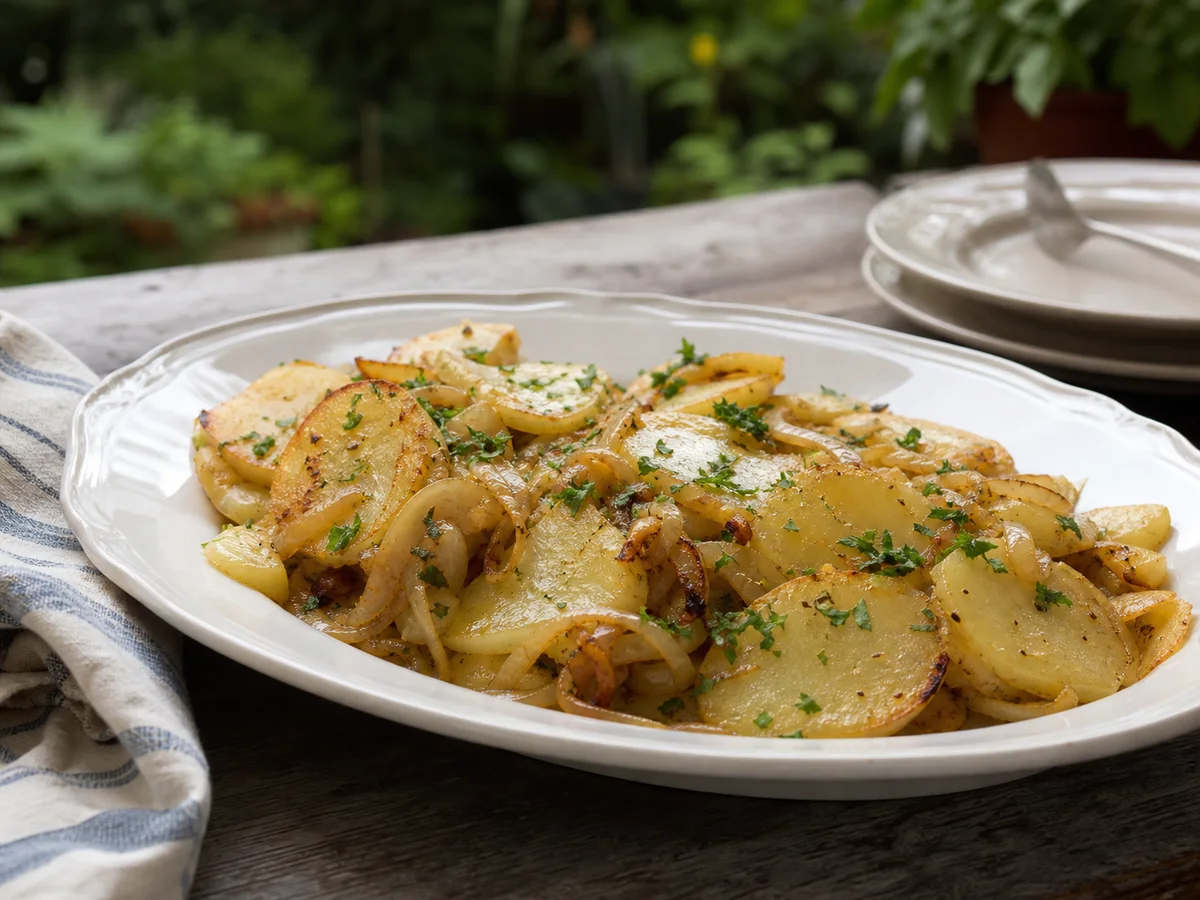
Potatoes á la Lyonnaise, preserved from Marion Harland’s 1903 cookbook with ingredient cues including two great spoonfuls of butter into the frying-pan and fry two sliced onions in this .
View recipe
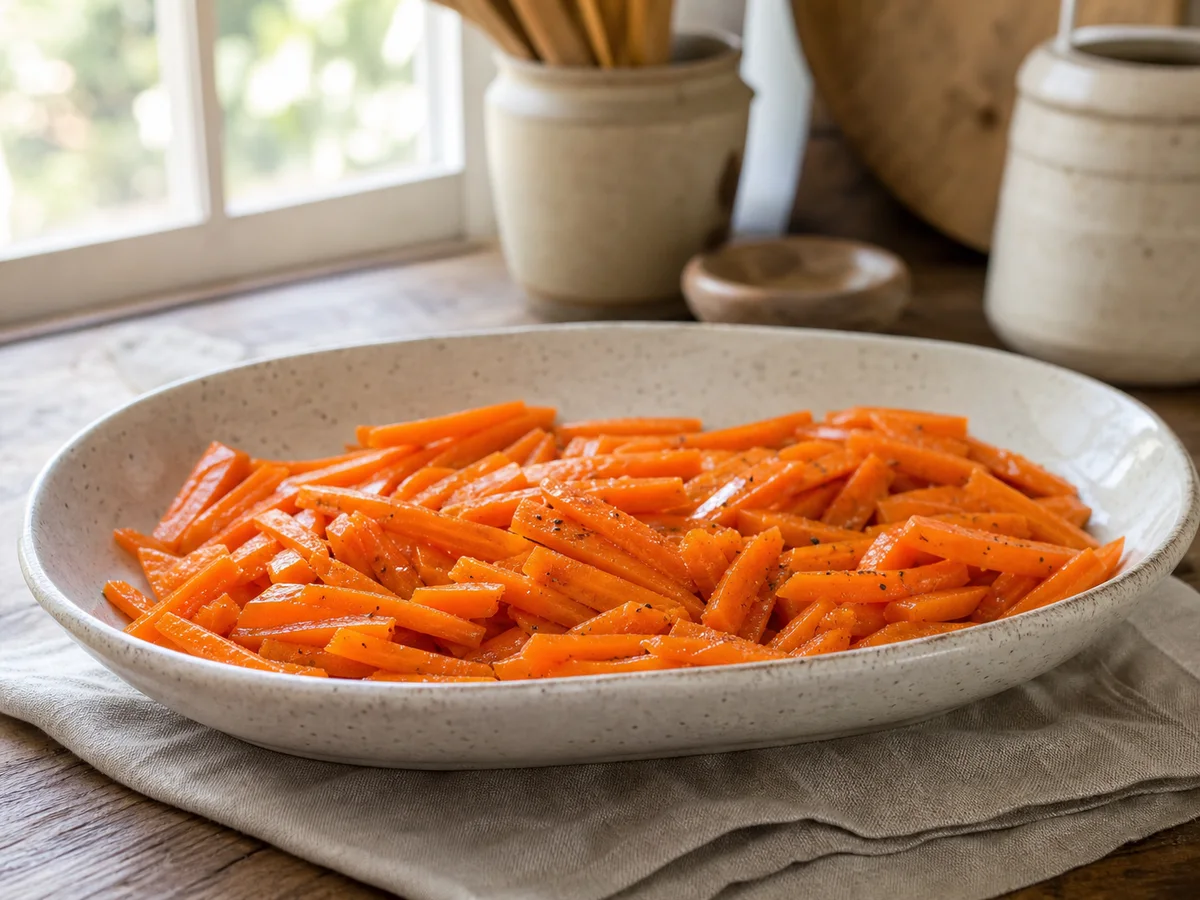
Carrots sautés, preserved from Marion Harland’s 1903 cookbook with ingredient cues including boil young carrots, not longer than your forefinger, for eight minutes in salted wat.
View recipe
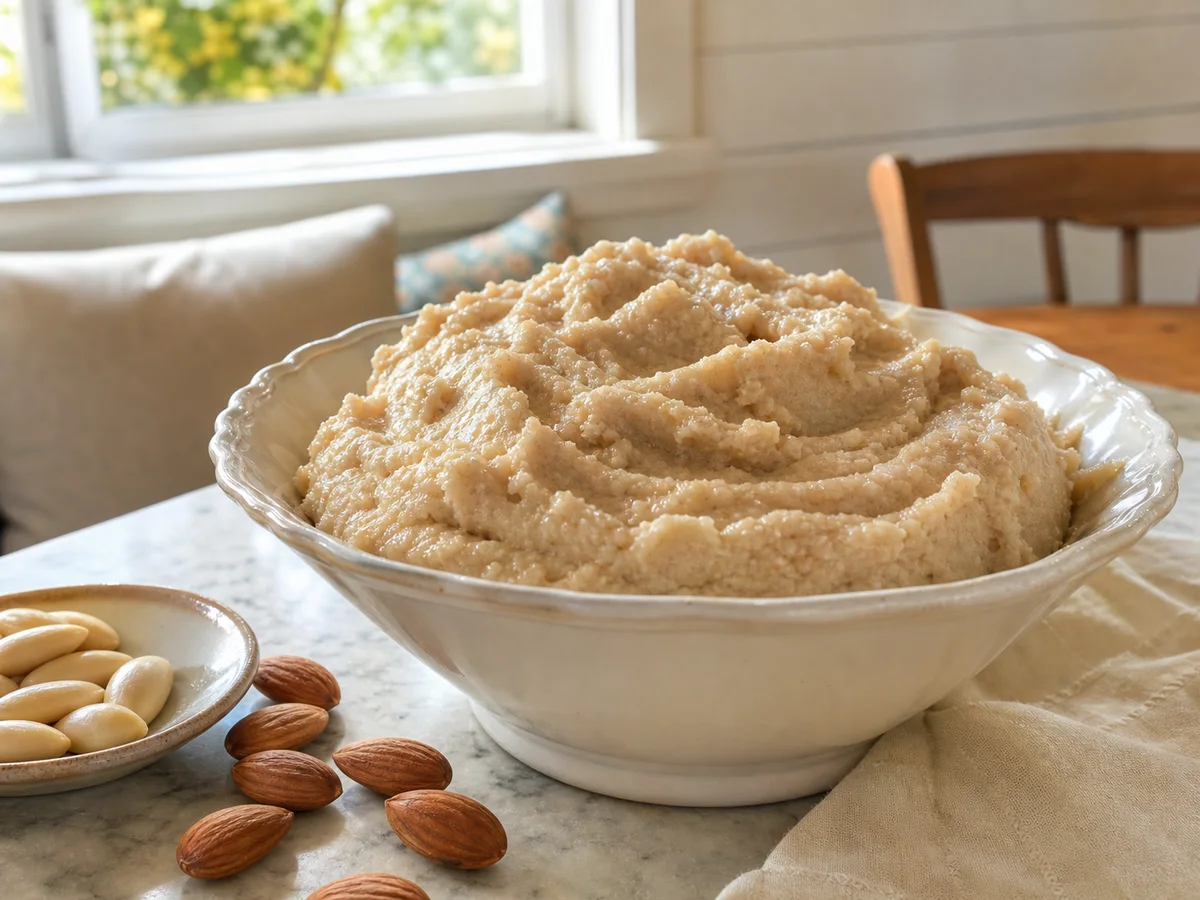
Marion Harland’s original method for Almond filling, retained as a source transcription for modern discovery.
View recipe
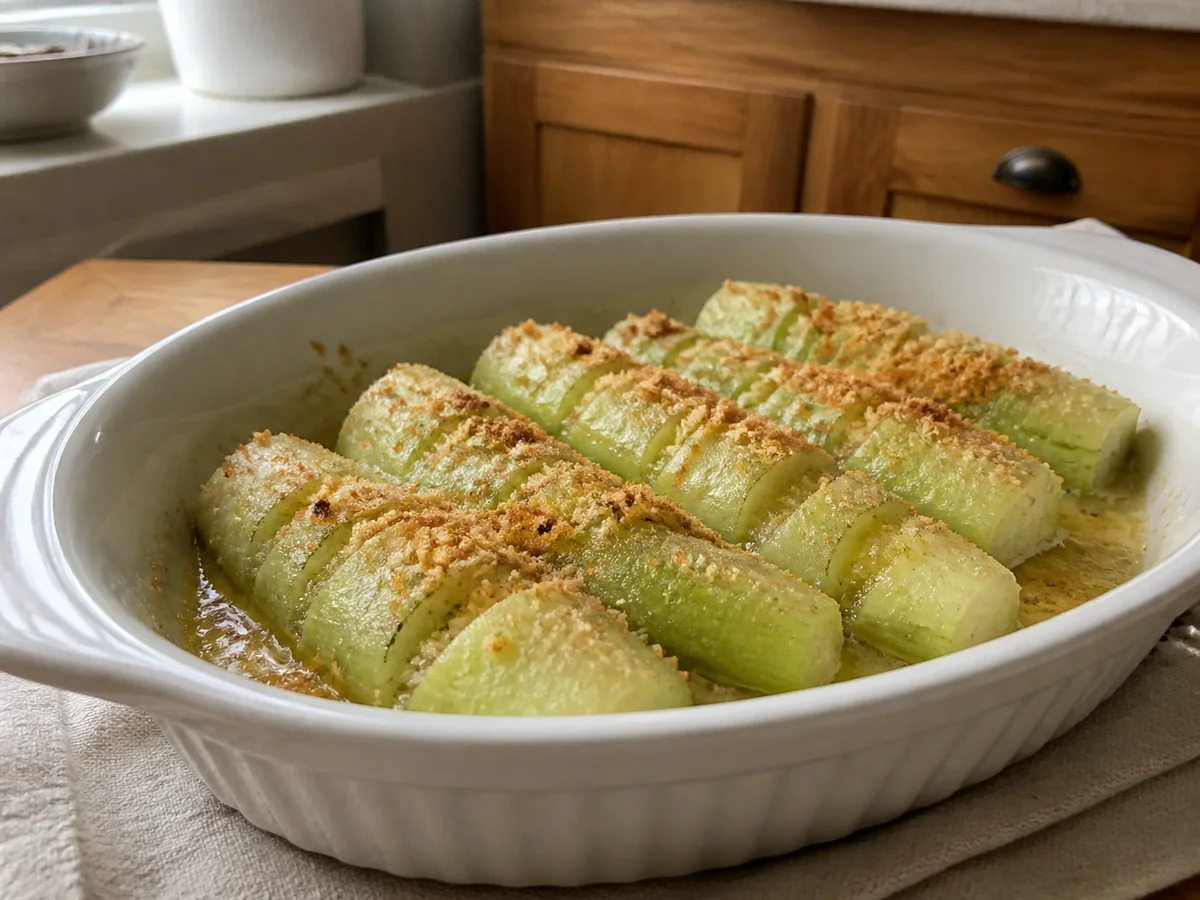
Marion Harland’s original method for Baked cucumbers, retained as a source transcription for modern discovery.
View recipe
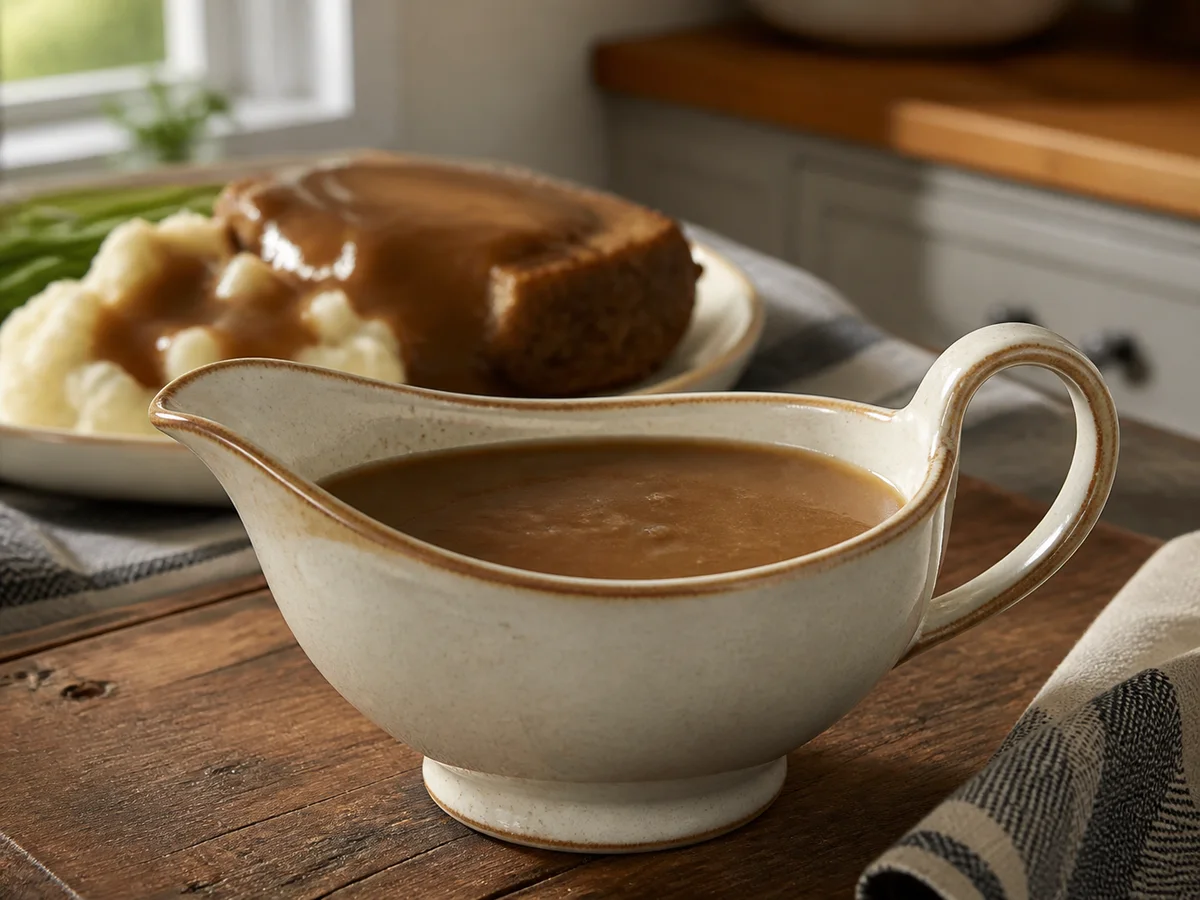
The original 1910 method for Brown Sauce I, presented as a faithful archival transcription.
View recipe
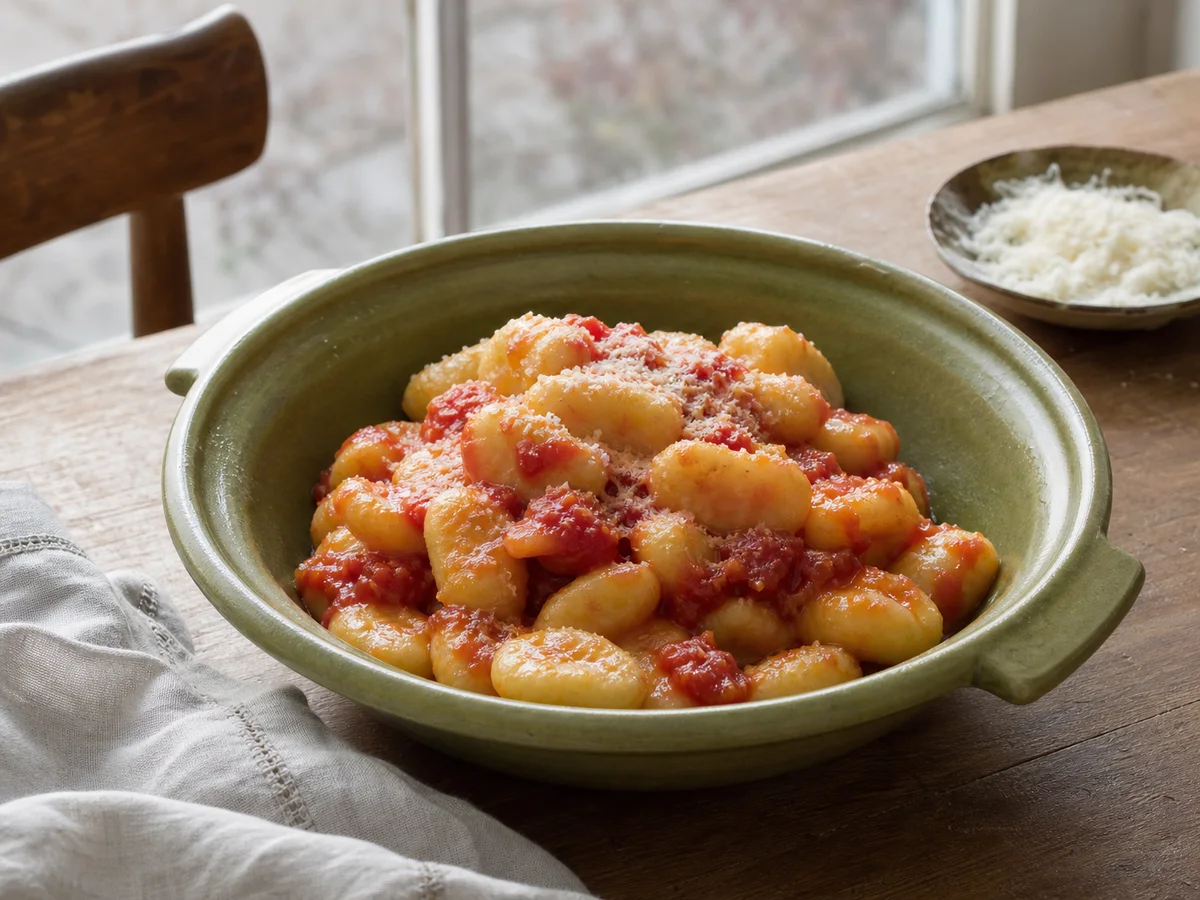
A precisely proportioned potato gnocchi recipe translated from Artusi, with its original shaping method preserved.
View recipe
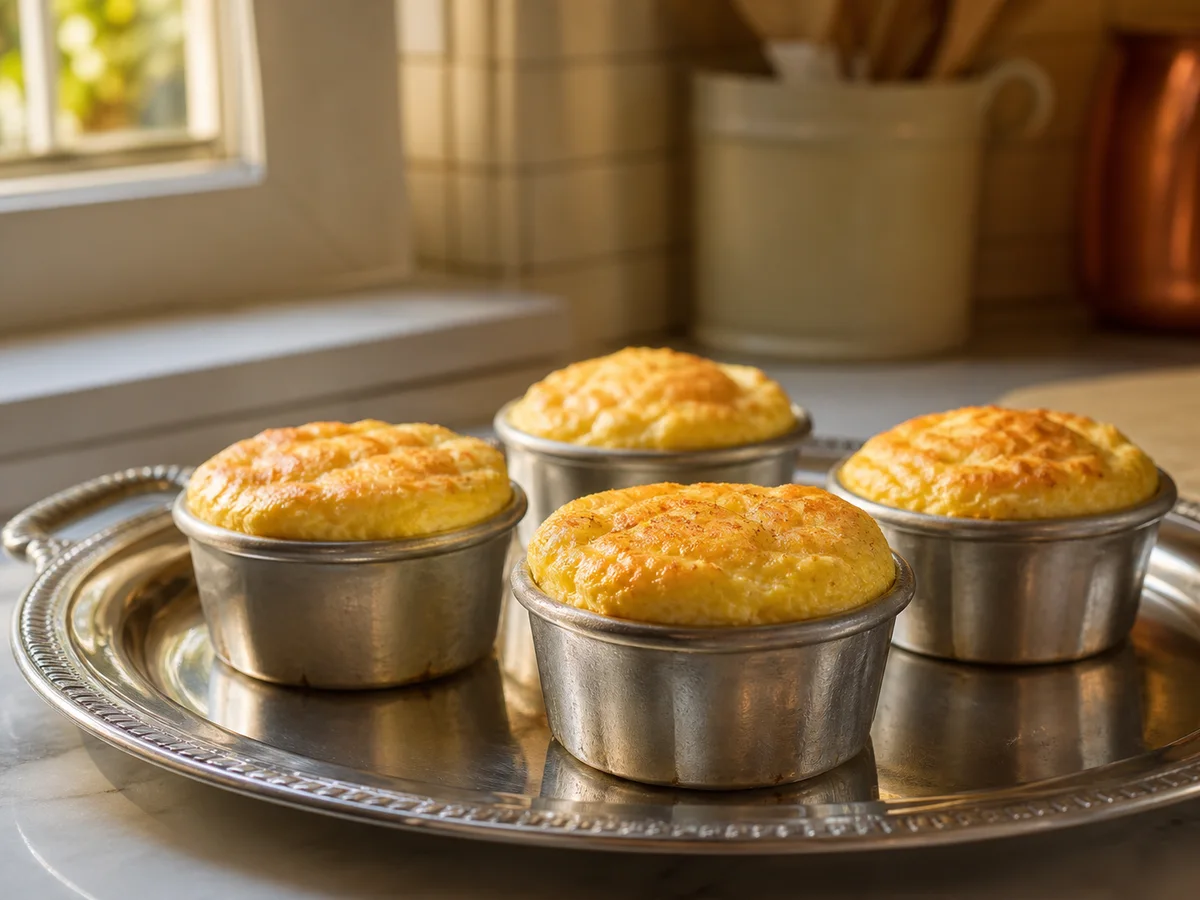
Marion Harland’s original method for Egg and cheese timbales, retained as a source transcription for modern discovery.
View recipe
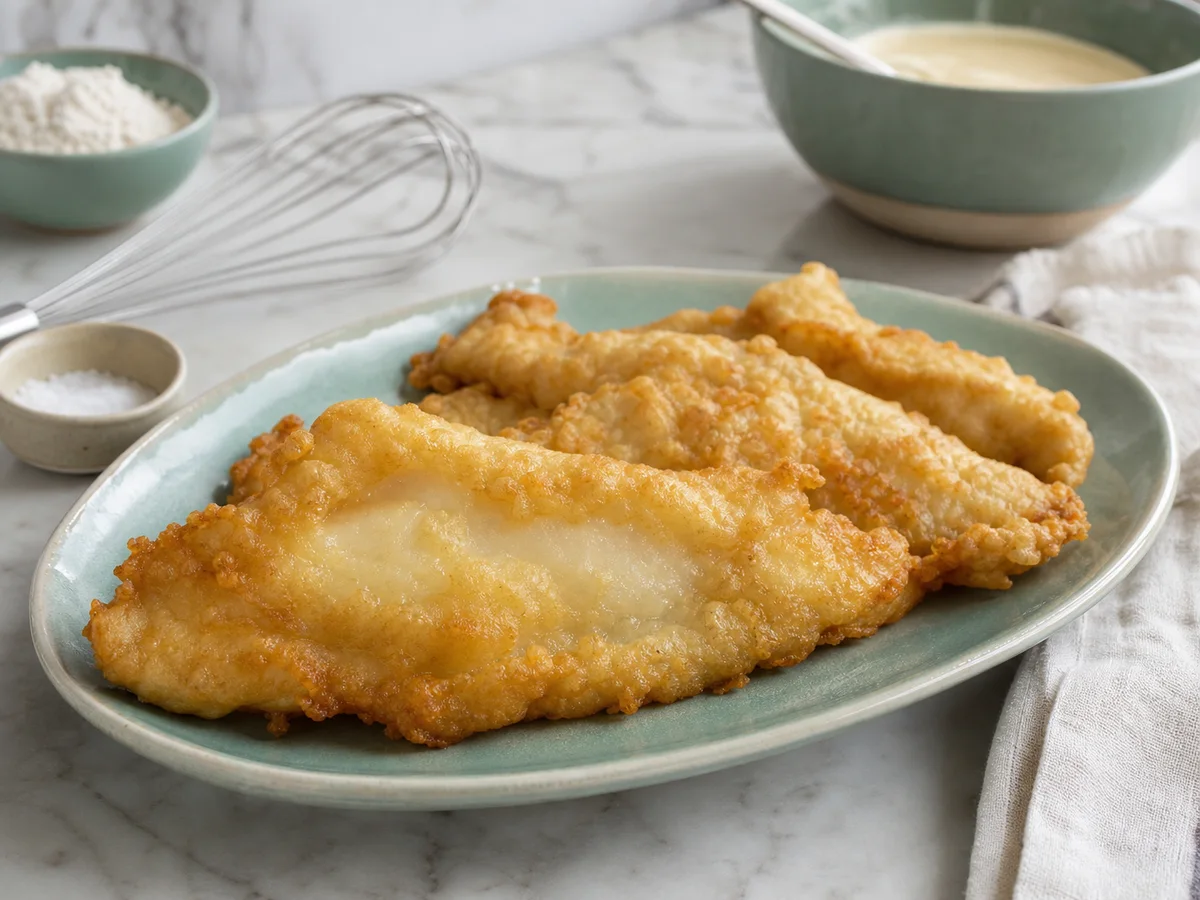
The original 1910 method for Batter V, presented as a faithful archival transcription.
View recipe
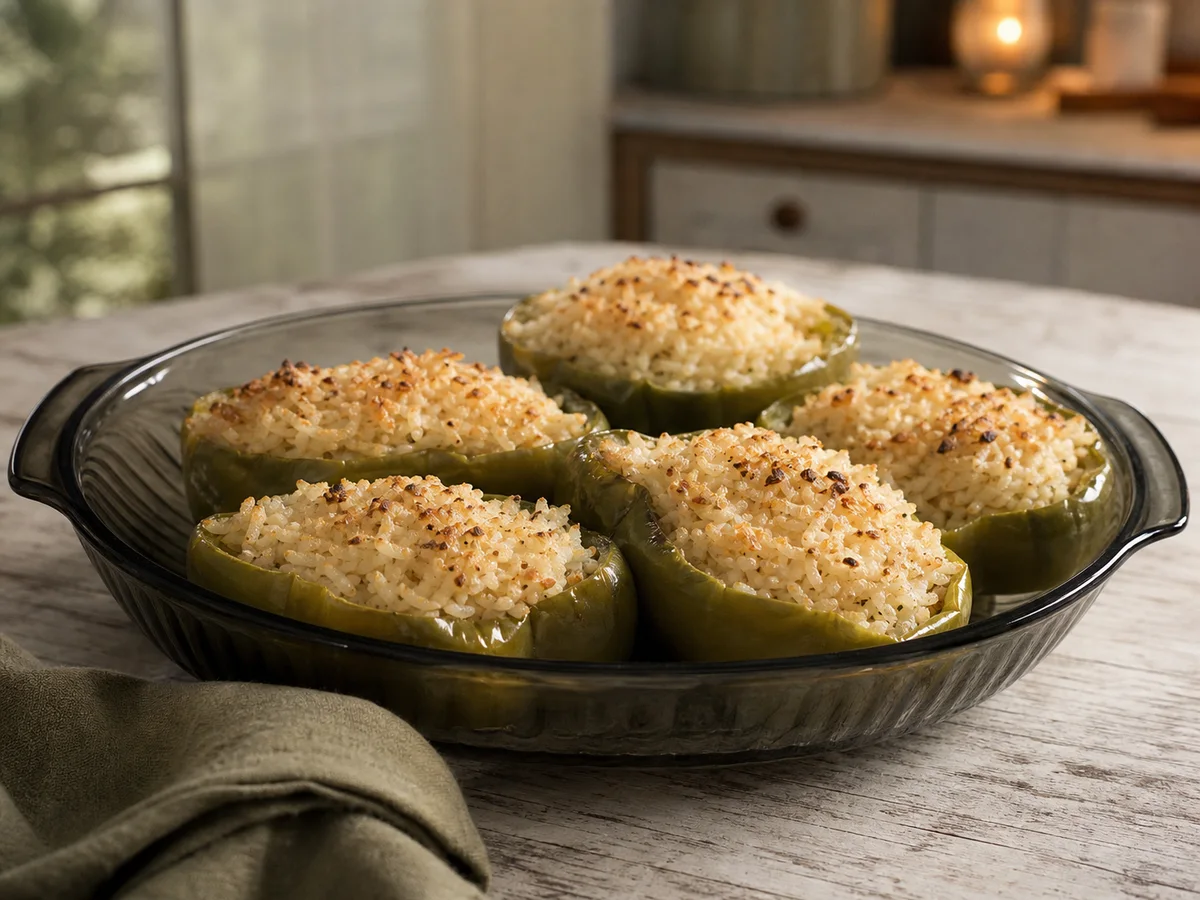
Marion Harland’s original method for Pilau of green peppers, retained as a source transcription for modern discovery.
View recipe