Breakfast Cited source
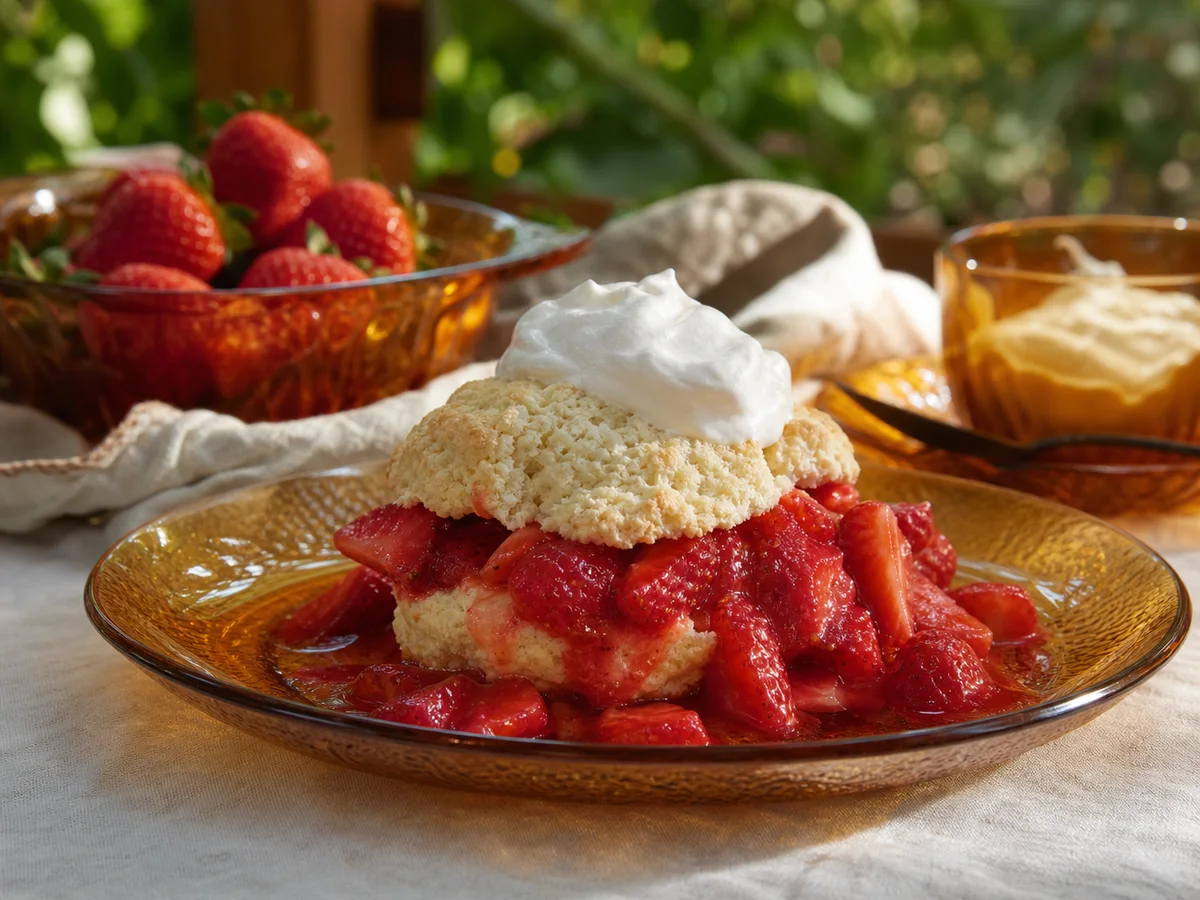
Strawberry Short Cake I
Start the day with Farmer’s original Strawberry Short Cake I method, preserved as a source transcription.
View recipeA growing cited recipe library
Search naturally—“kid-friendly vegetarian dinners under 35 minutes without mushrooms”—and WorkLife AI will interpret the constraints for you.
Every live recipe links to its original public-domain source. Twelve featured recipes are modern WorkLife adaptations; 888 archive recipes preserve measured source-text ingredient cues and original methods without pretending they were independently kitchen-tested. See our sourcing standard.
Understands time, dietary needs, ingredients, exclusions, leftovers, and cleanup.
Build a complete smart cartStart the day with Farmer’s original Strawberry Short Cake I method, preserved as a source transcription.
View recipe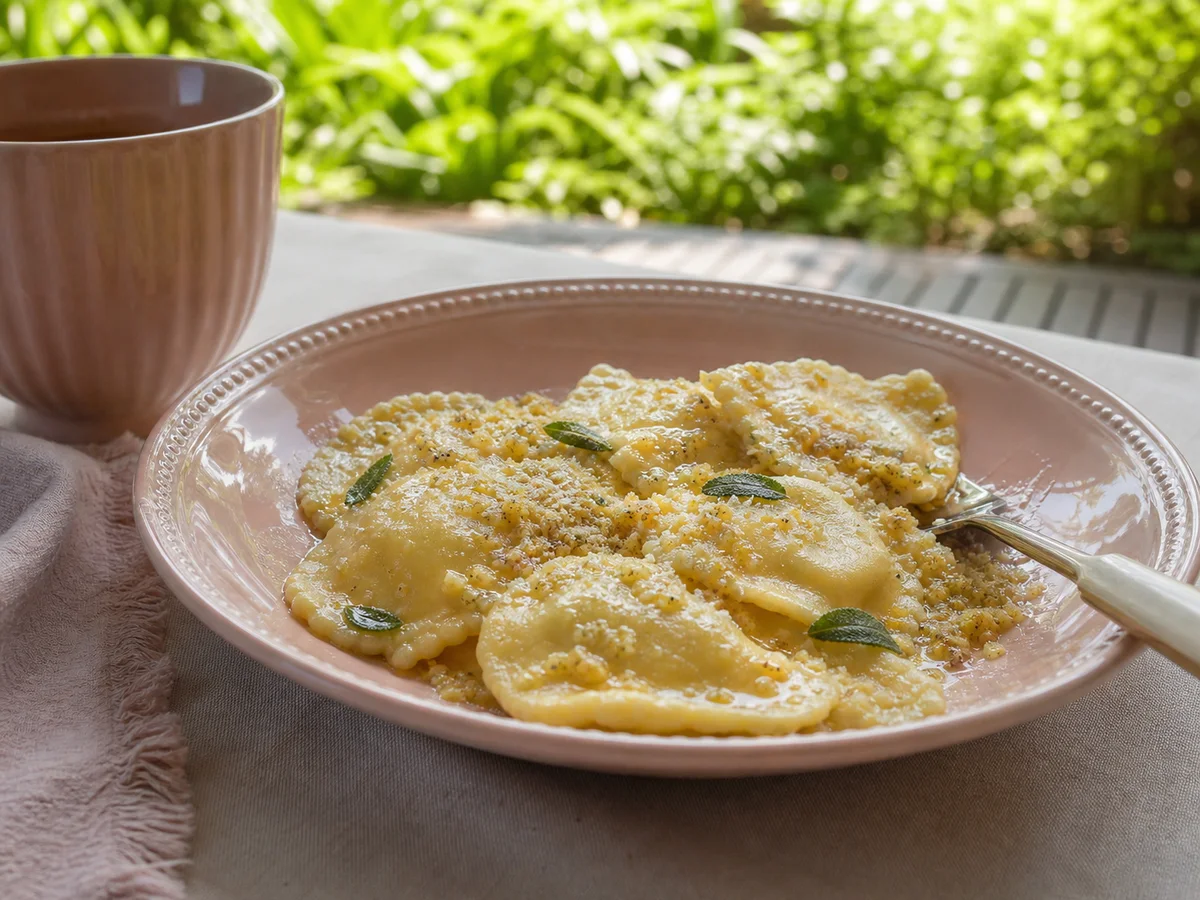
A historical breakfast preparation centered on flour, directly cited to Farmer’s 1910 edition.
View recipe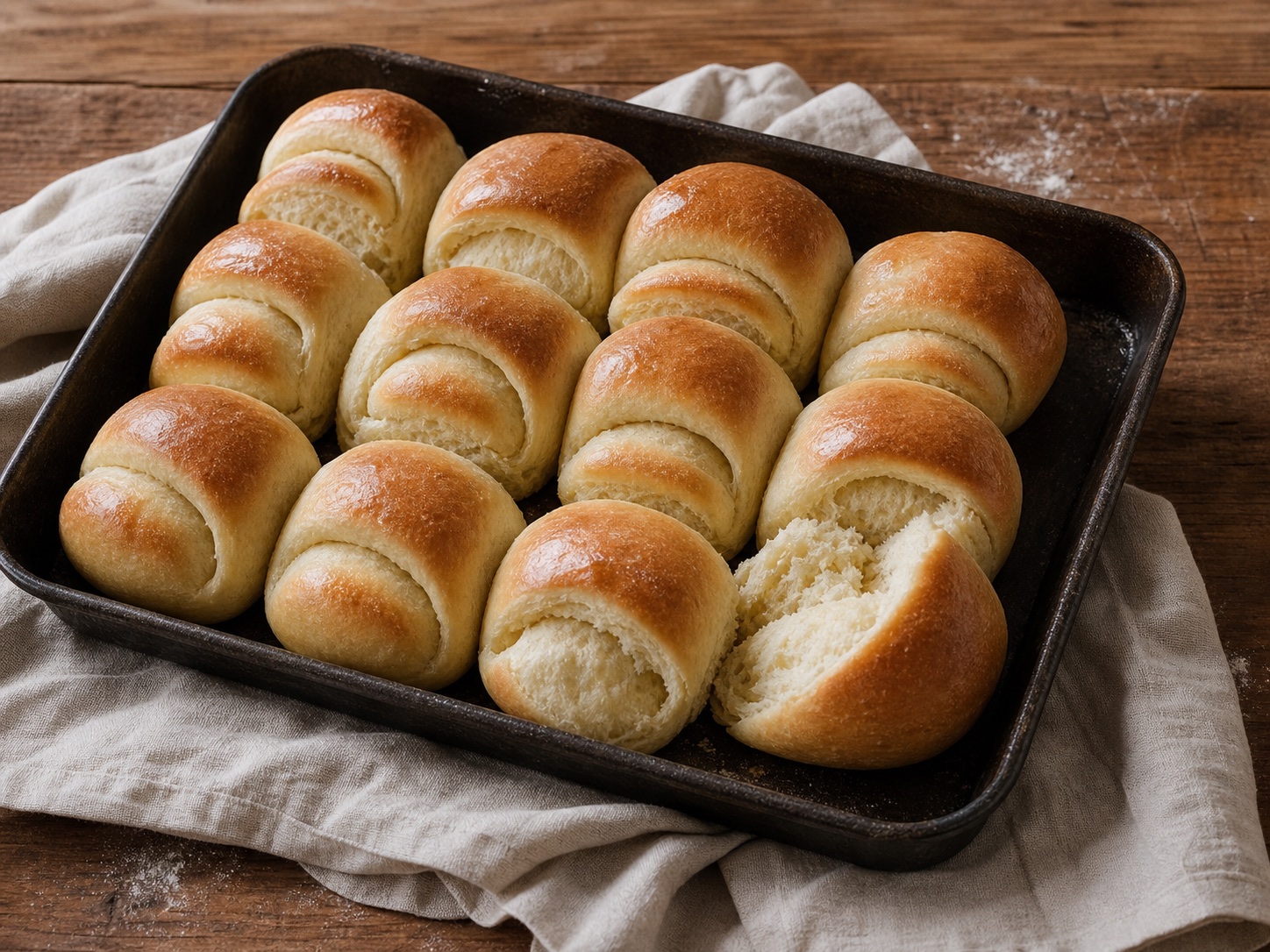
Soft folded yeast rolls with the signature buttered crease, adapted directly from Fannie Farmer’s measured 1910 method.
View recipe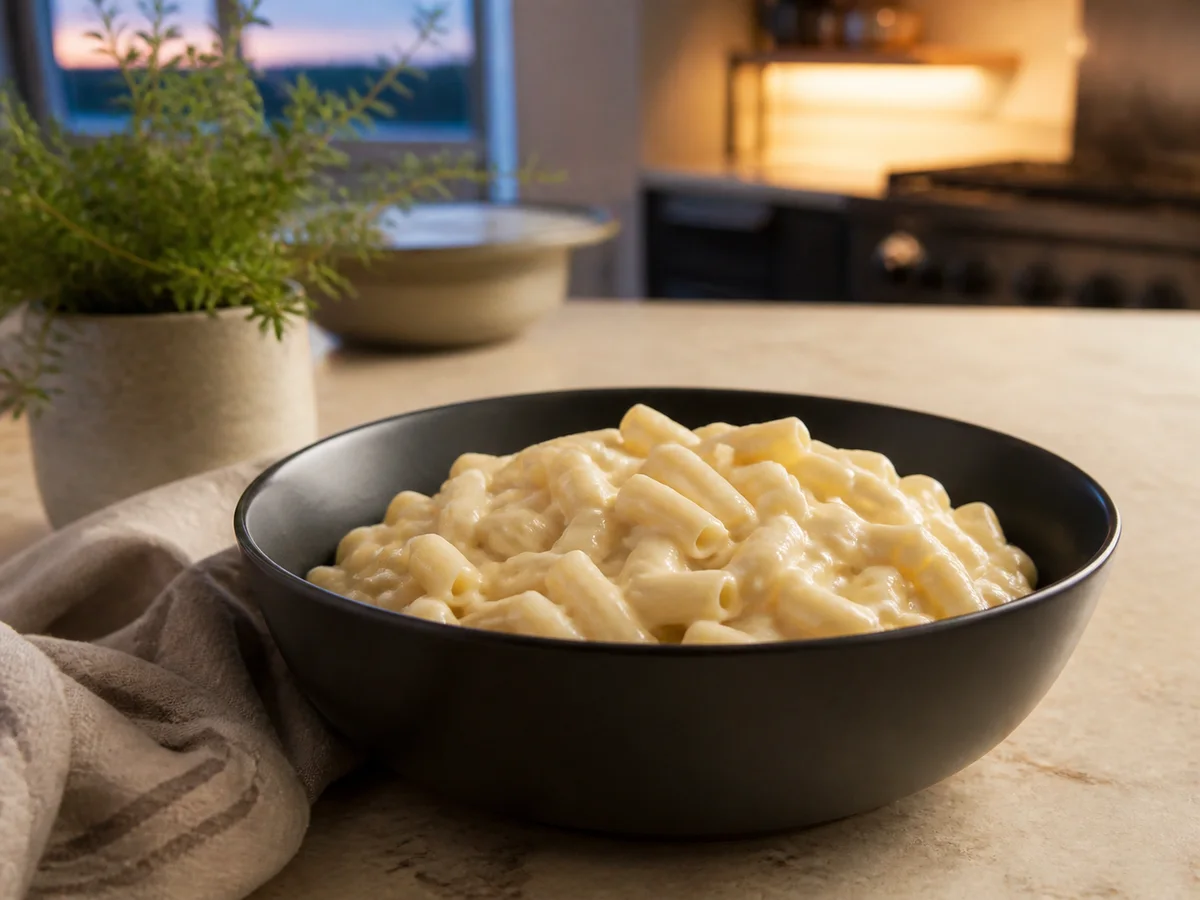
Start the day with Farmer’s original Boiled Macaroni method, preserved as a source transcription.
View recipe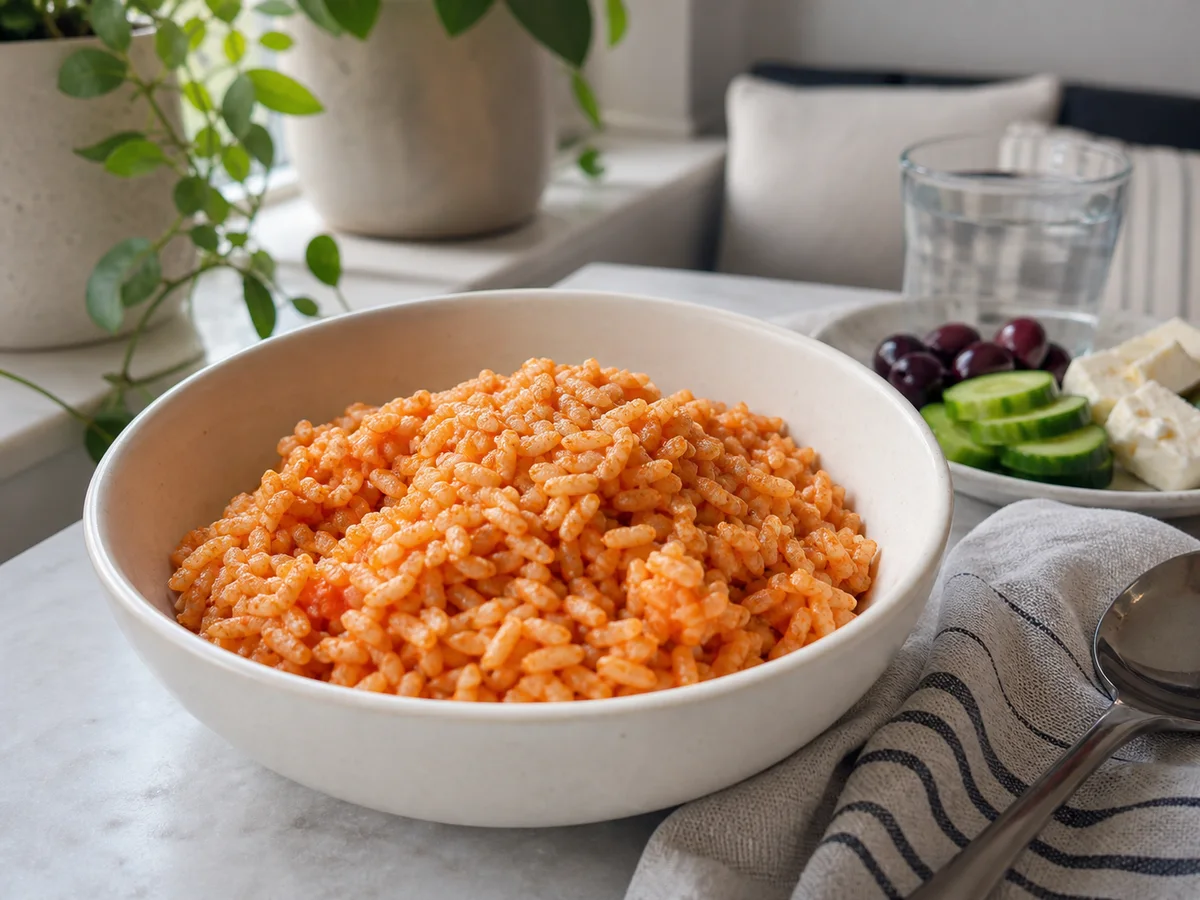
A historical breakfast preparation centered on washed rice, directly cited to Farmer’s 1910 edition.
View recipe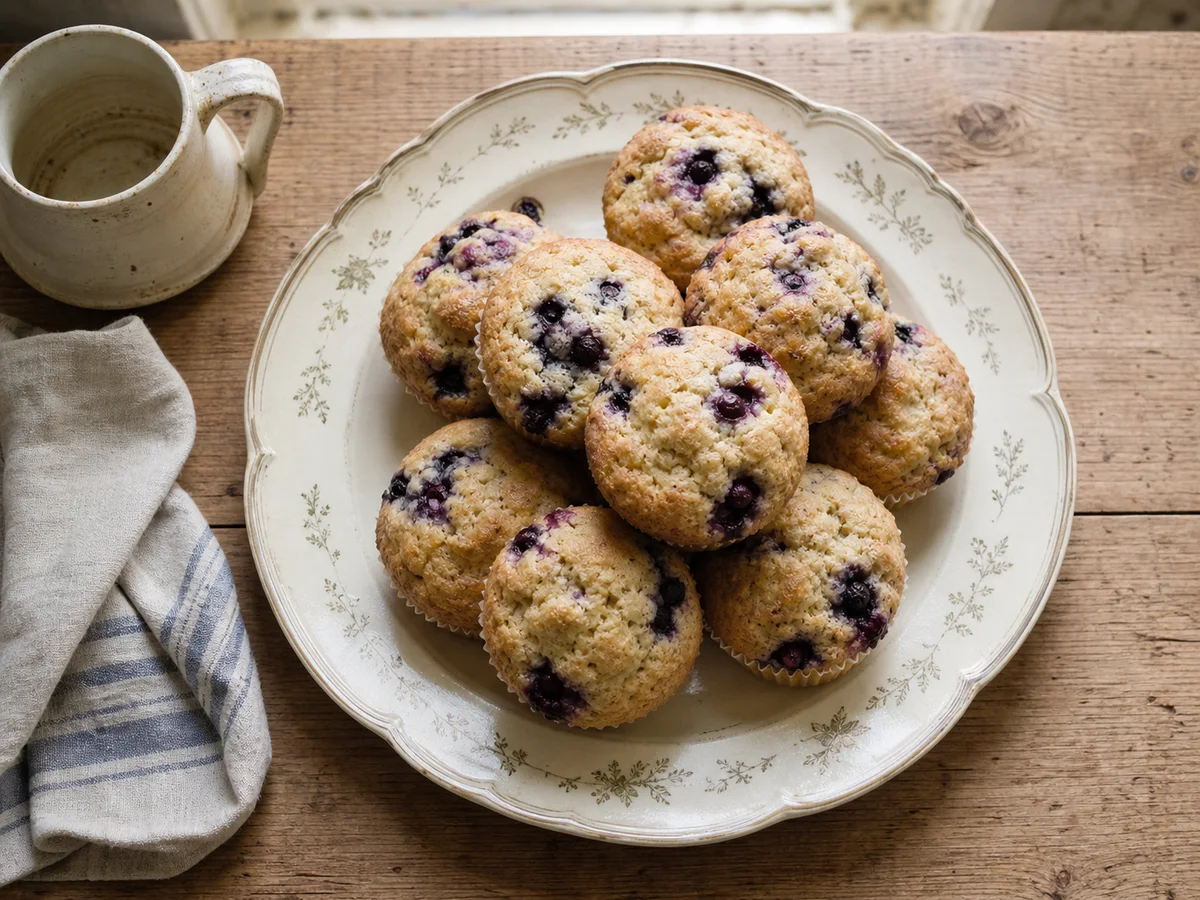
Start the day with Farmer’s original Berry Muffins I (without eggs) method, preserved as a source transcription.
View recipe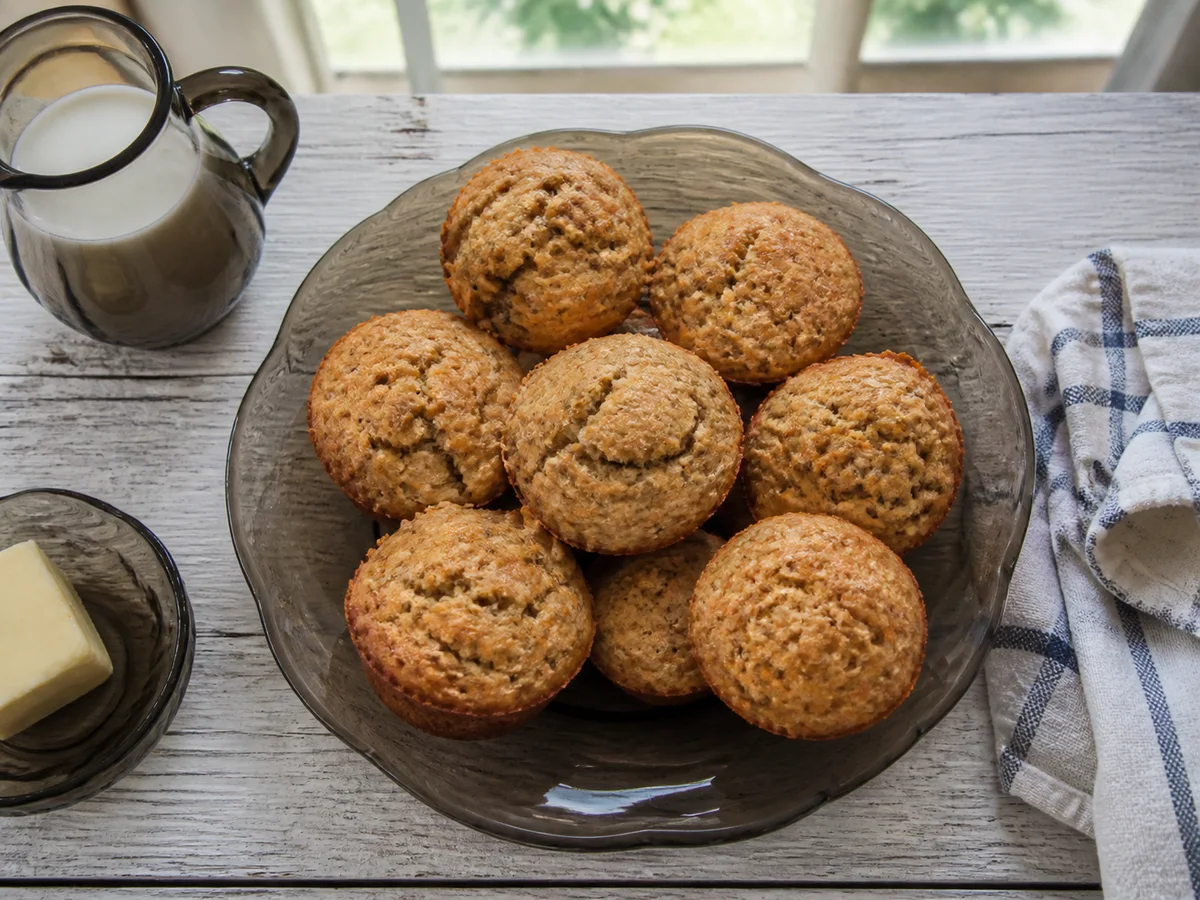
Start the day with Farmer’s original Graham Muffins II method, preserved as a source transcription.
View recipe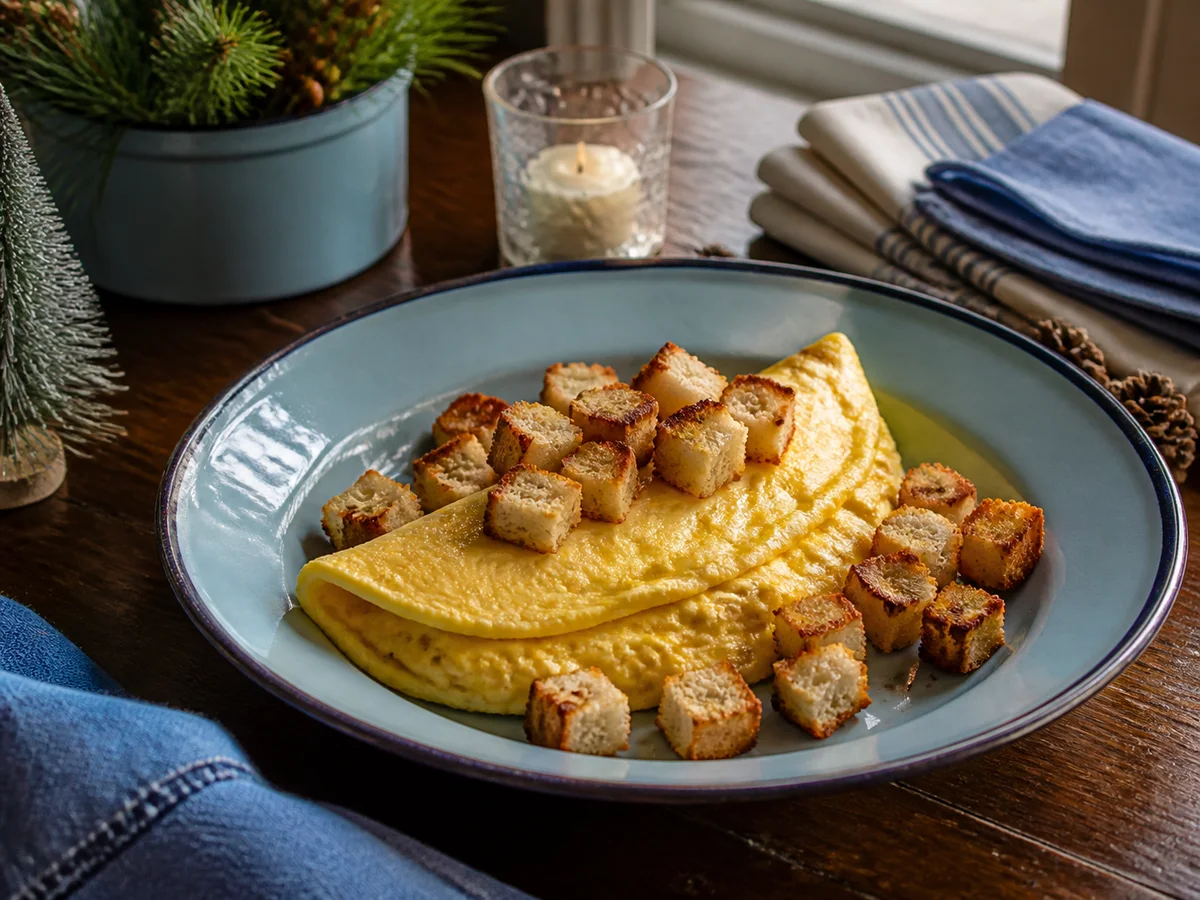
A historical breakfast preparation centered on bread cut in ⅓ inch cubes, directly cited to Farmer’s 1910 edition.
View recipe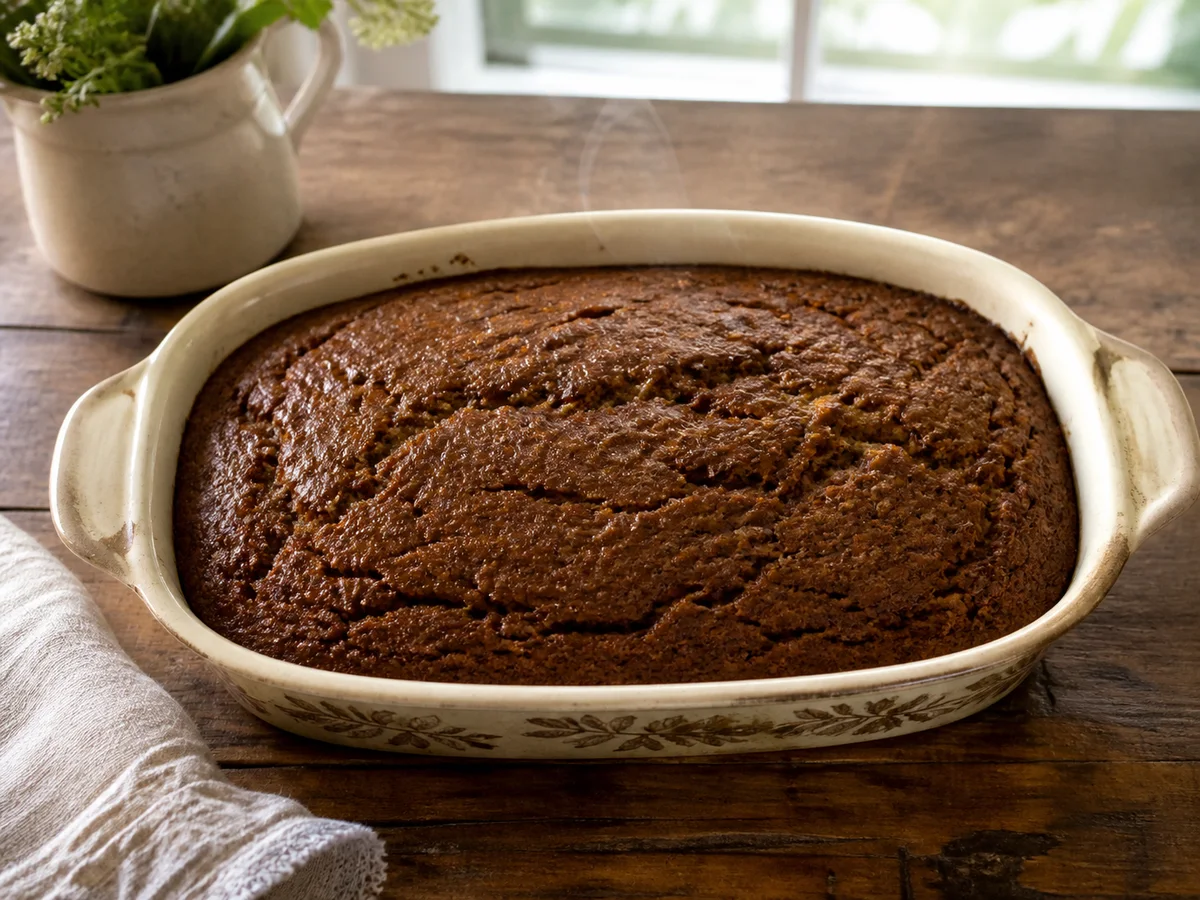
Boston Brown Bread as recorded by Fannie Farmer, with the historic ingredient list transcribed for reference.
View recipe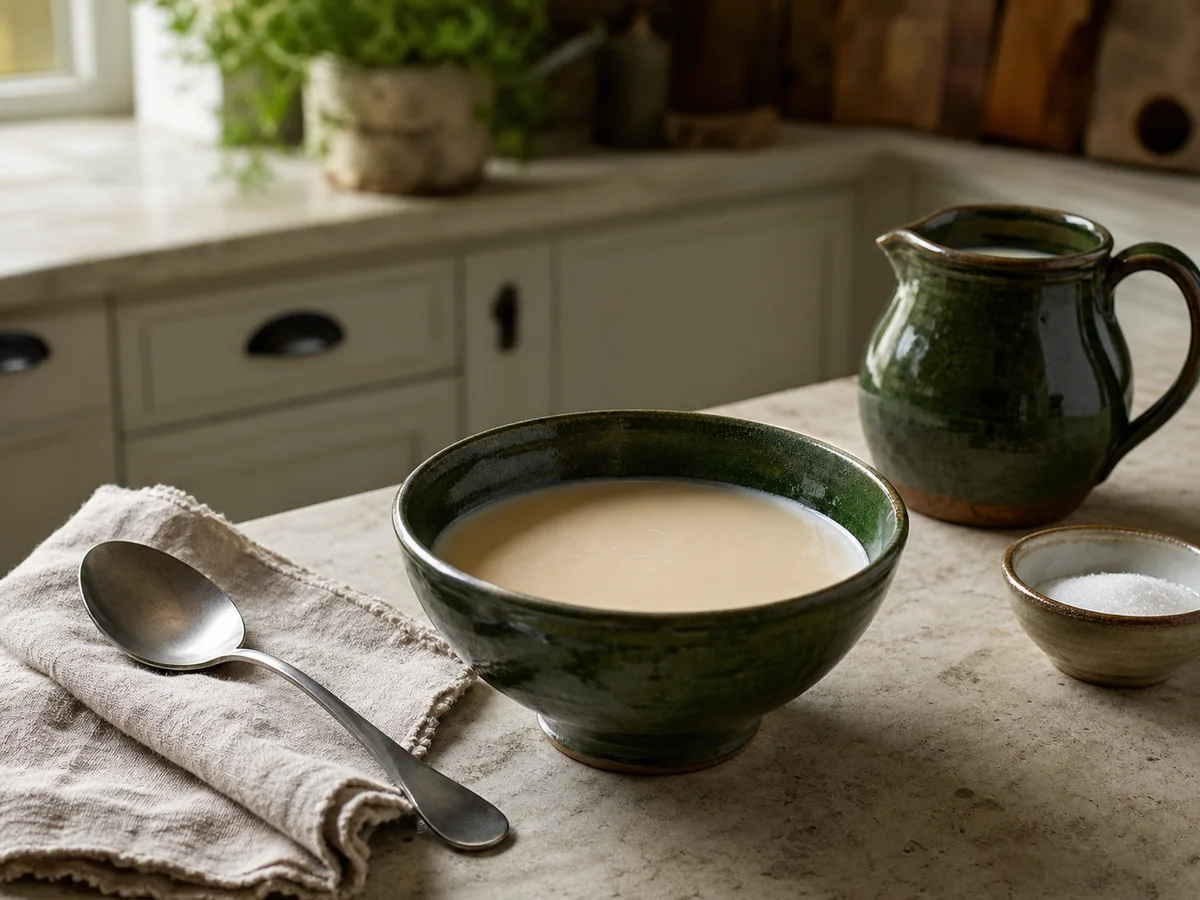
Marion Harland’s original method for Toast water, retained as a source transcription for modern discovery.
View recipe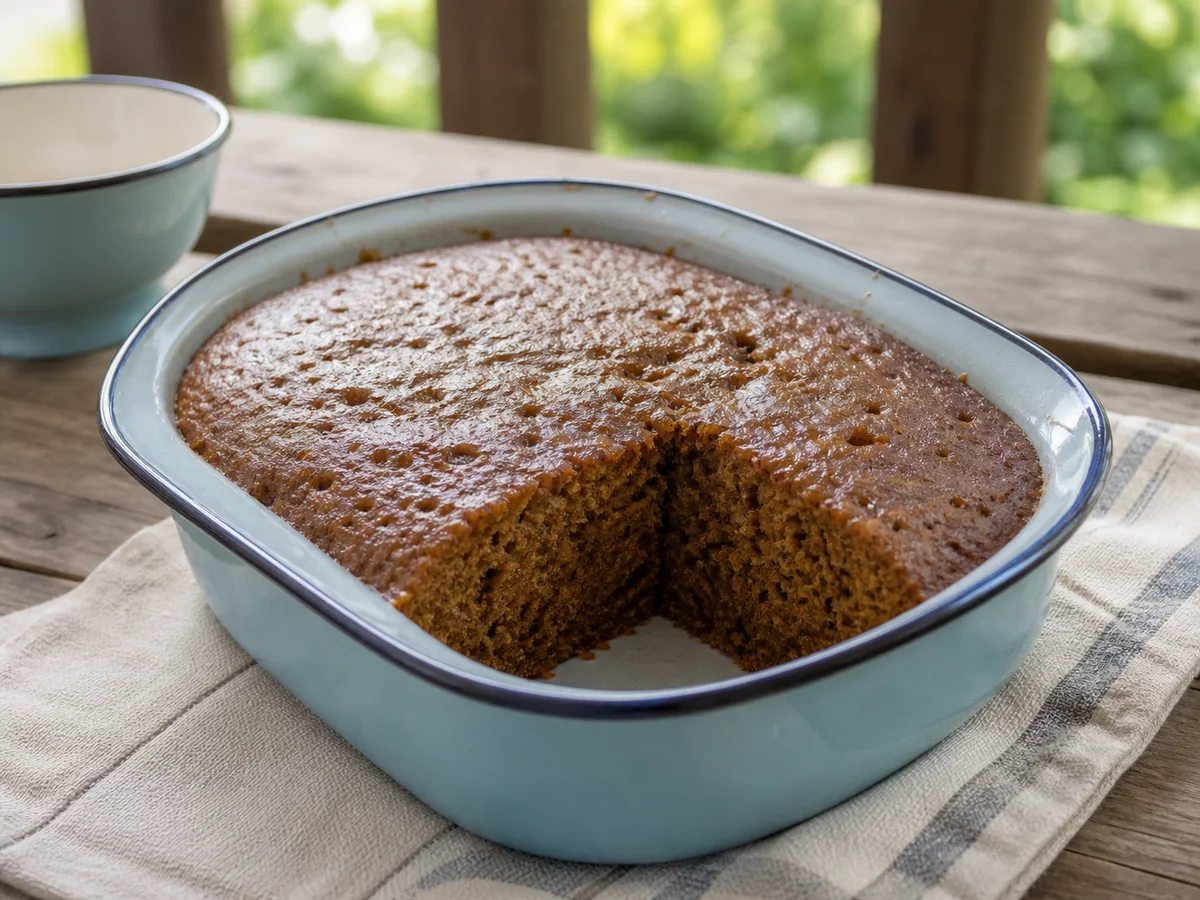
Steamed Graham Bread as recorded by Fannie Farmer, with the historic ingredient list transcribed for reference.
View recipe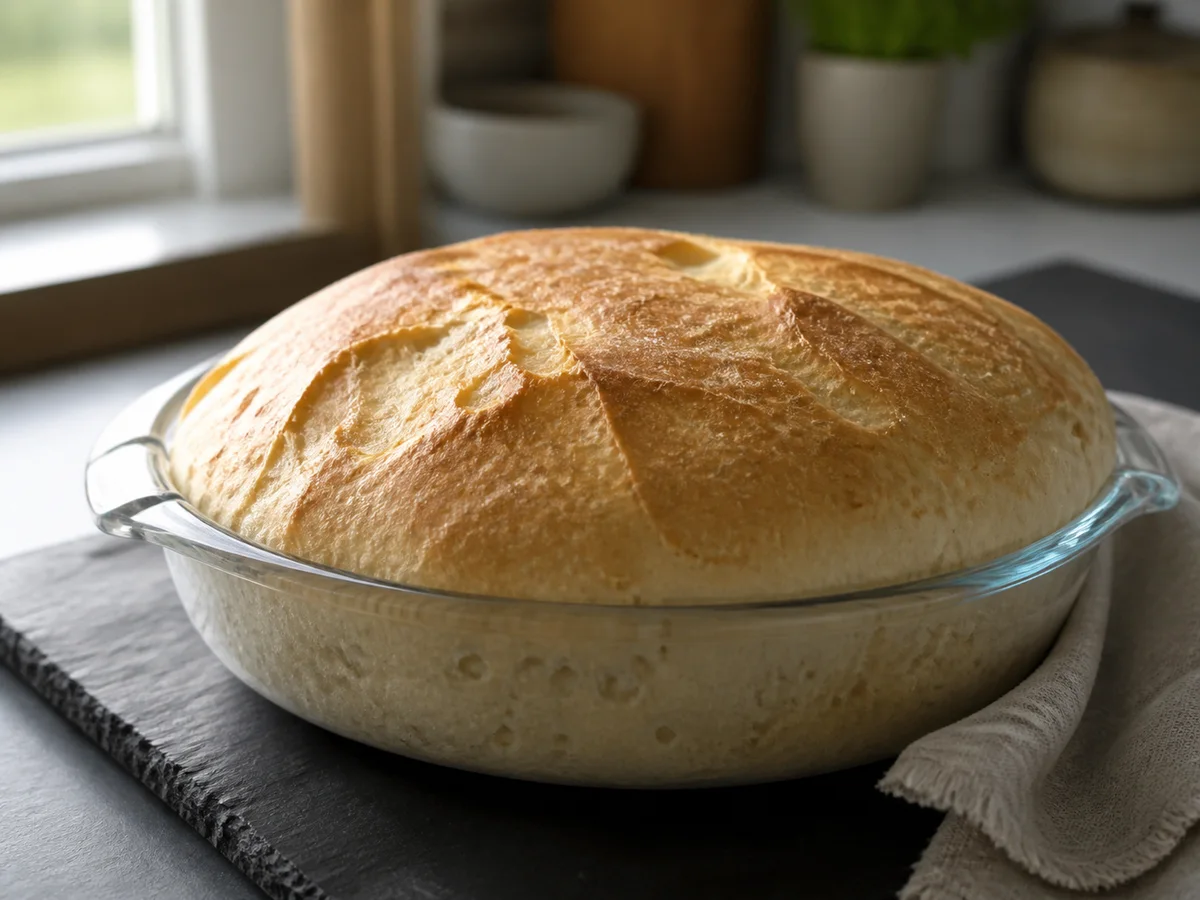
A measured 1910 bake built around boiling water, preserved with its original method and page citation.
View recipe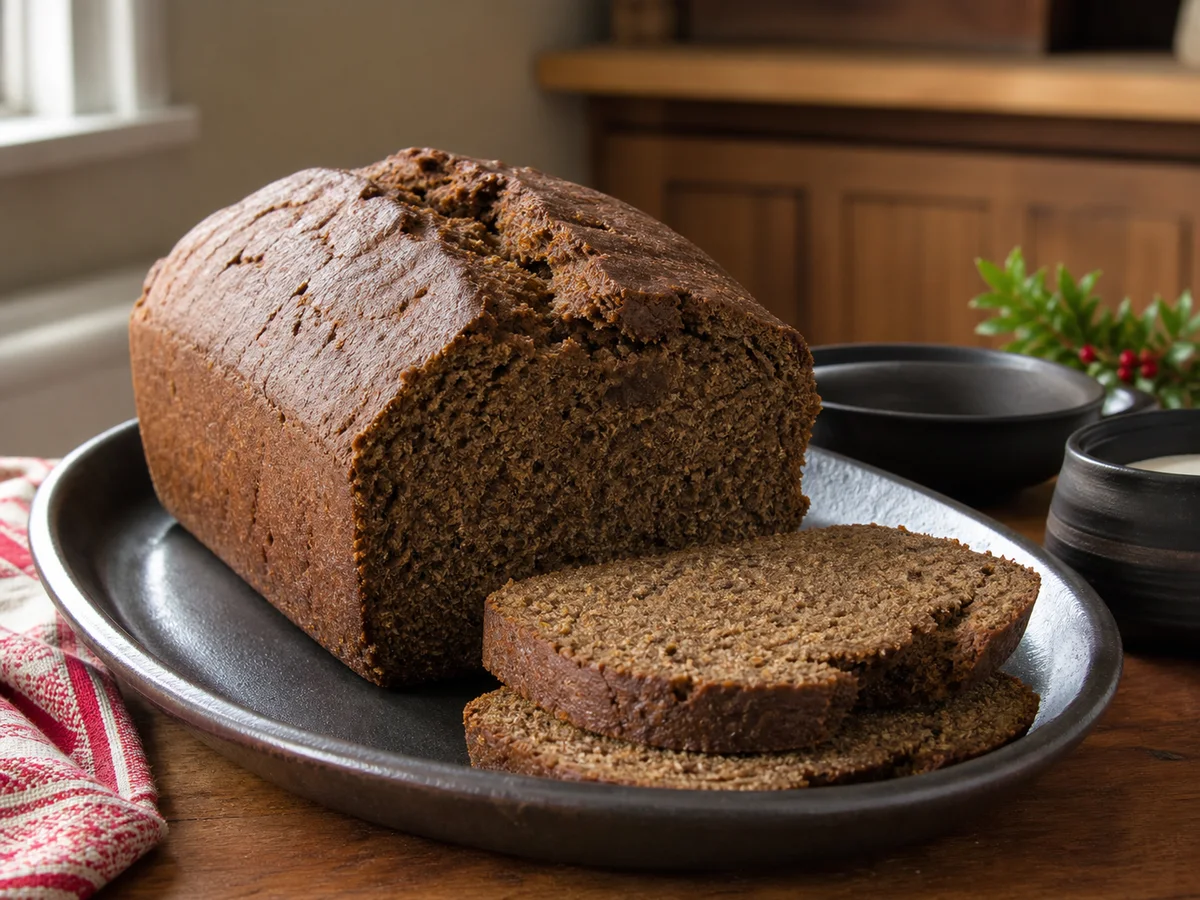
Graham bread without yeast, preserved from Marion Harland’s 1903 cookbook with ingredient cues including to three and one-half cups of graham flour add two cups of sour milk, one cup of new.
View recipe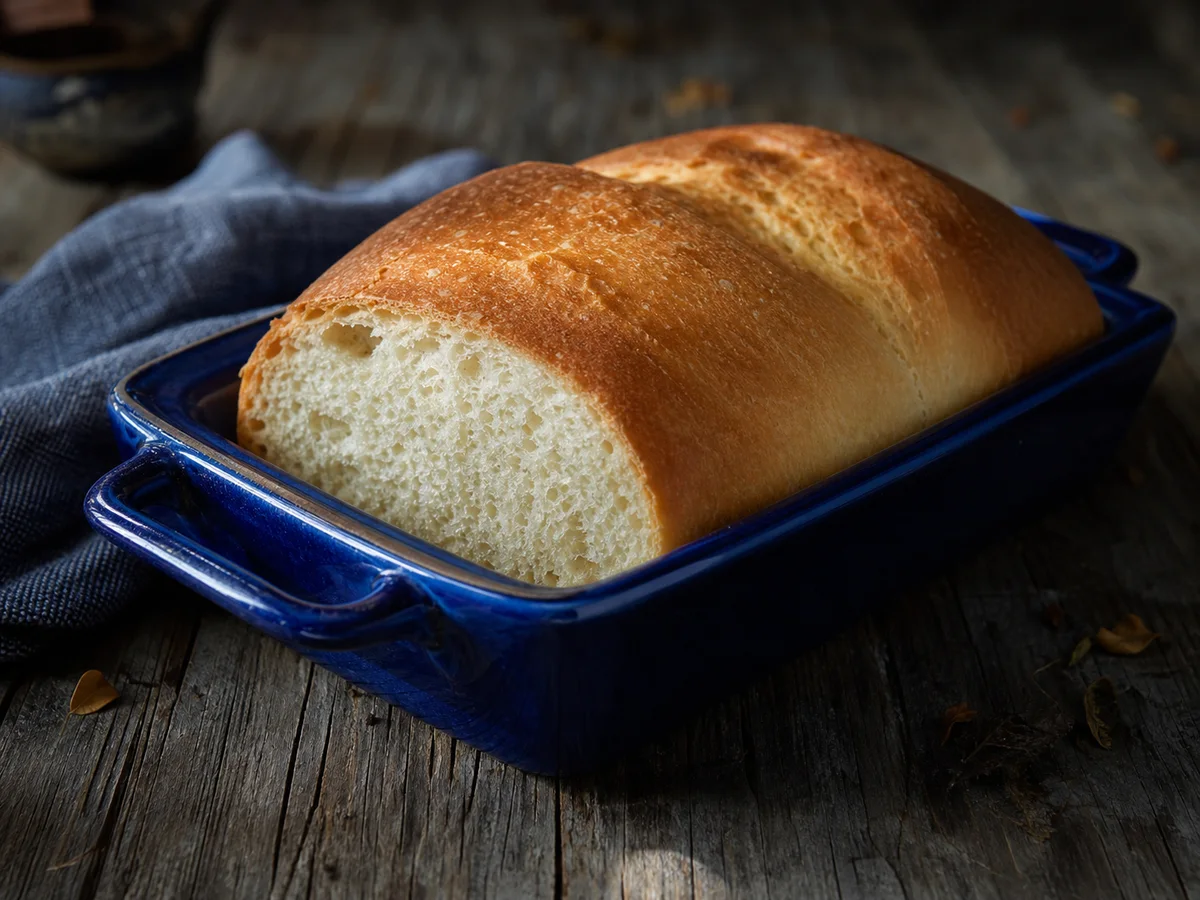
Milk and Water Bread as recorded by Fannie Farmer, with the historic ingredient list transcribed for reference.
View recipe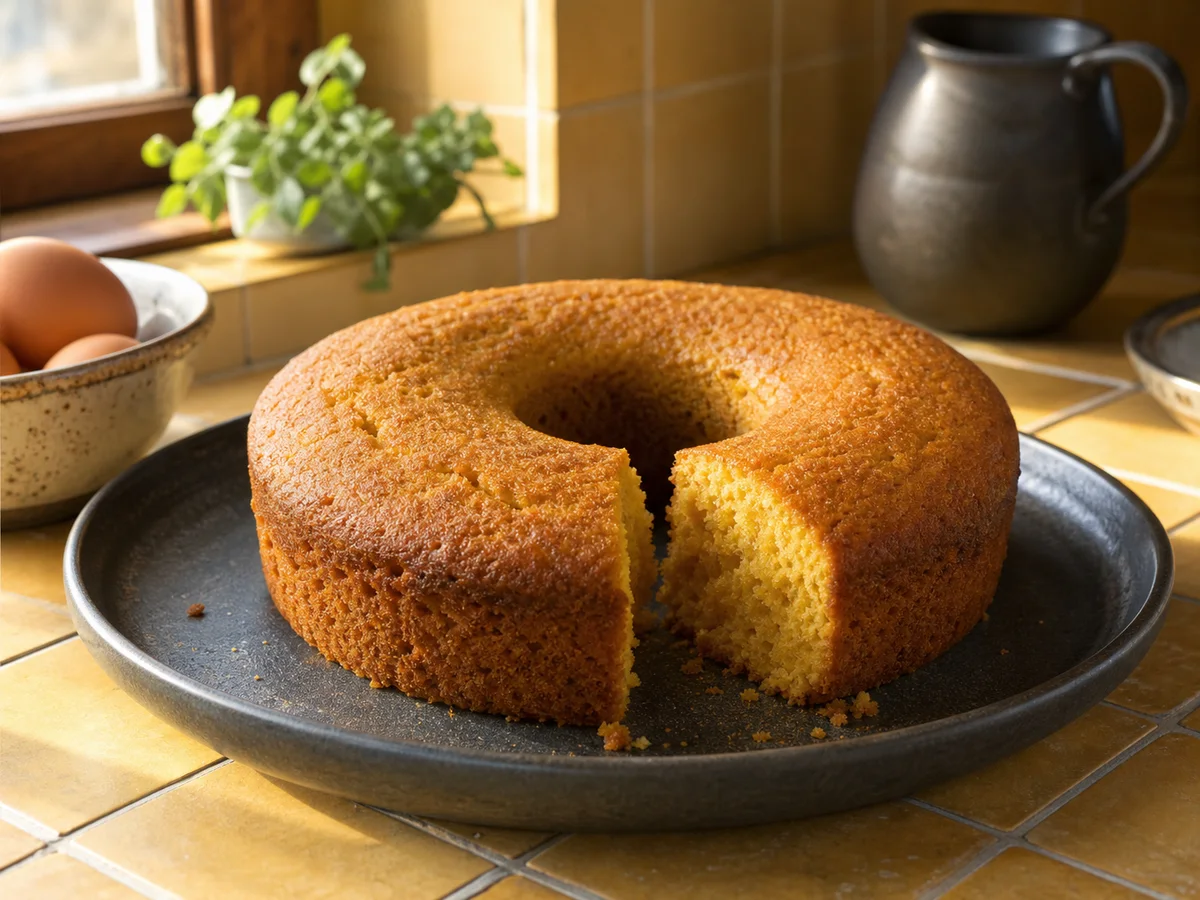
Sour milk corn bread, preserved from Marion Harland’s 1903 cookbook with ingredient cues including together in a bowl three cups of corn-meal and one cup of graham flour.
View recipe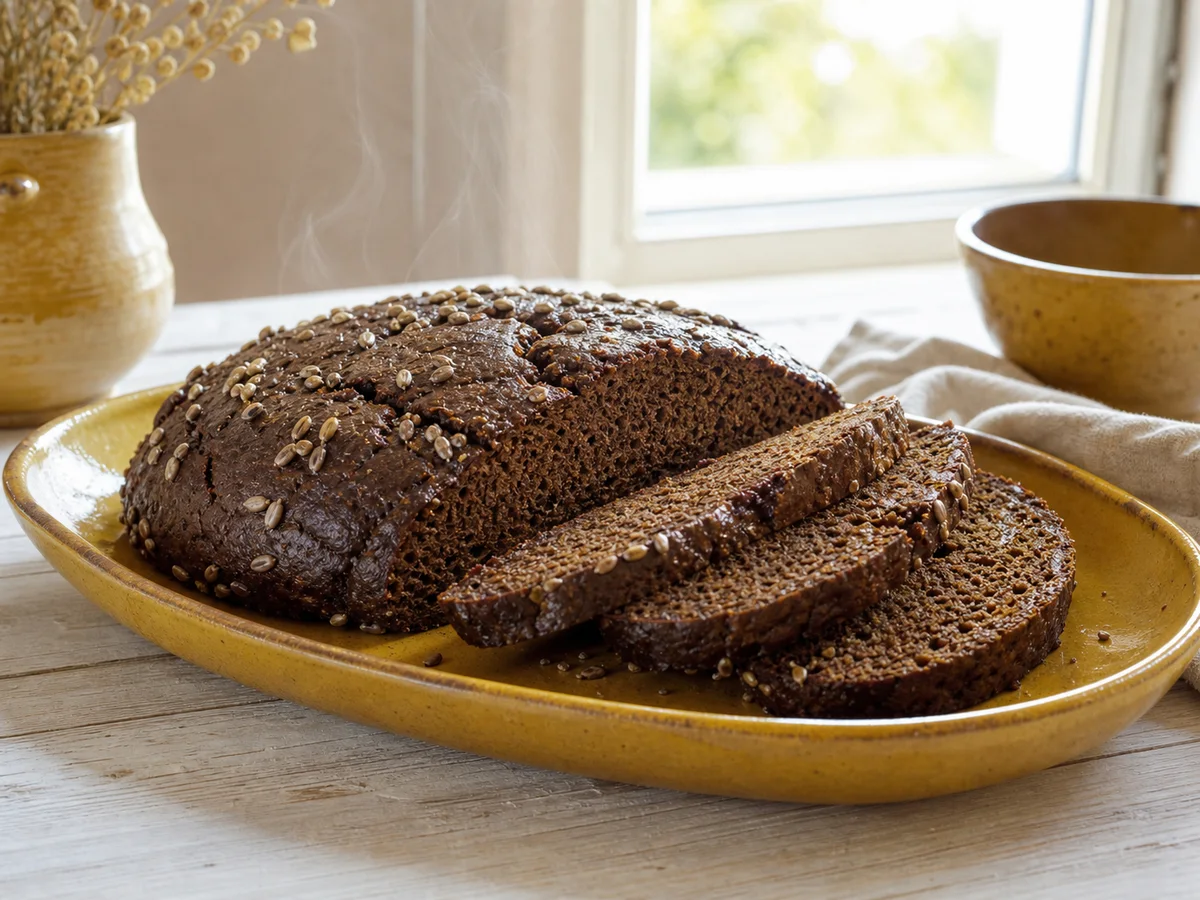
Third Bread as recorded by Fannie Farmer, with the historic ingredient list transcribed for reference.
View recipe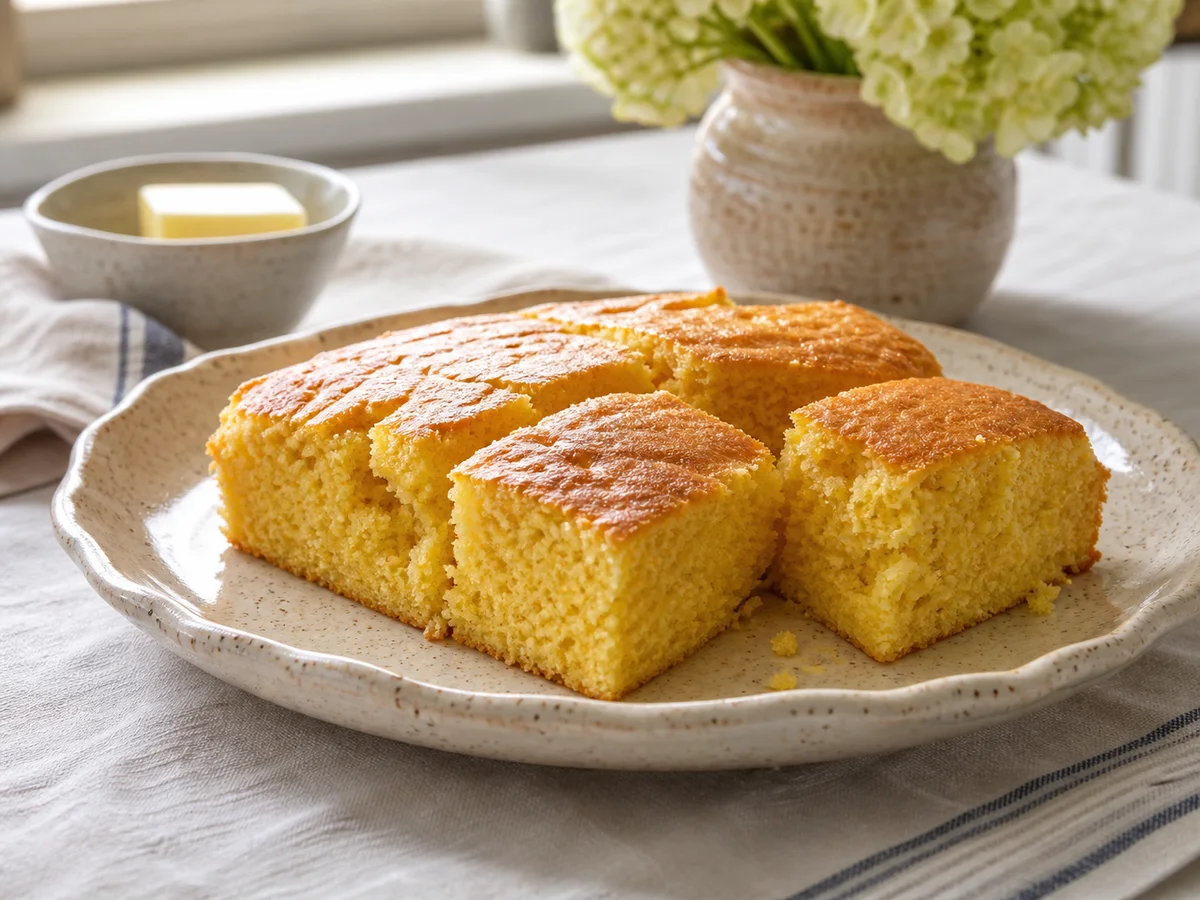
Corn bread made of northern meal, preserved from Marion Harland’s 1903 cookbook with ingredient cues including two cupfuls of corn-meal.
View recipe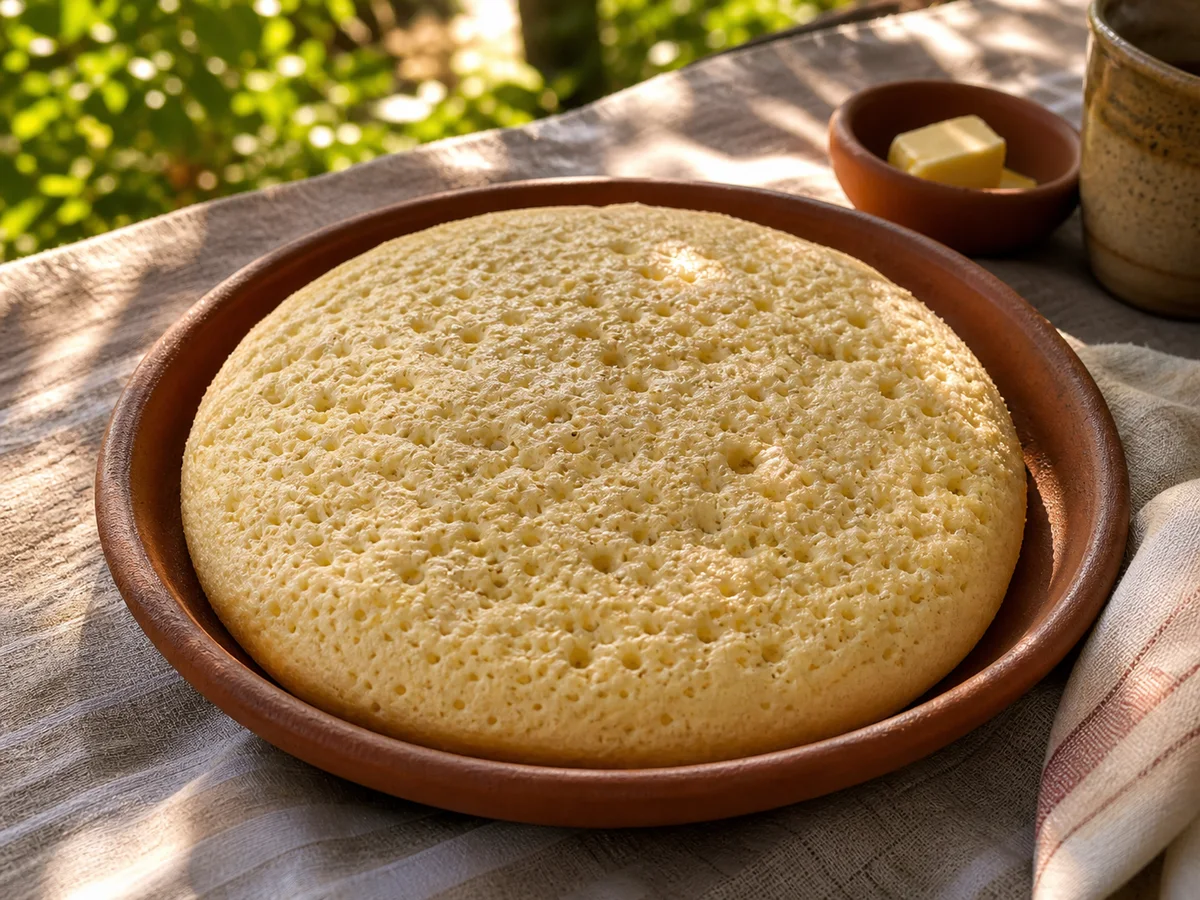
Potato sponge bread (No. 1), preserved from Marion Harland’s 1903 cookbook with ingredient cues including boil and mash, while hot, four potatoes of fair size, beating into them a tablespoon.
View recipe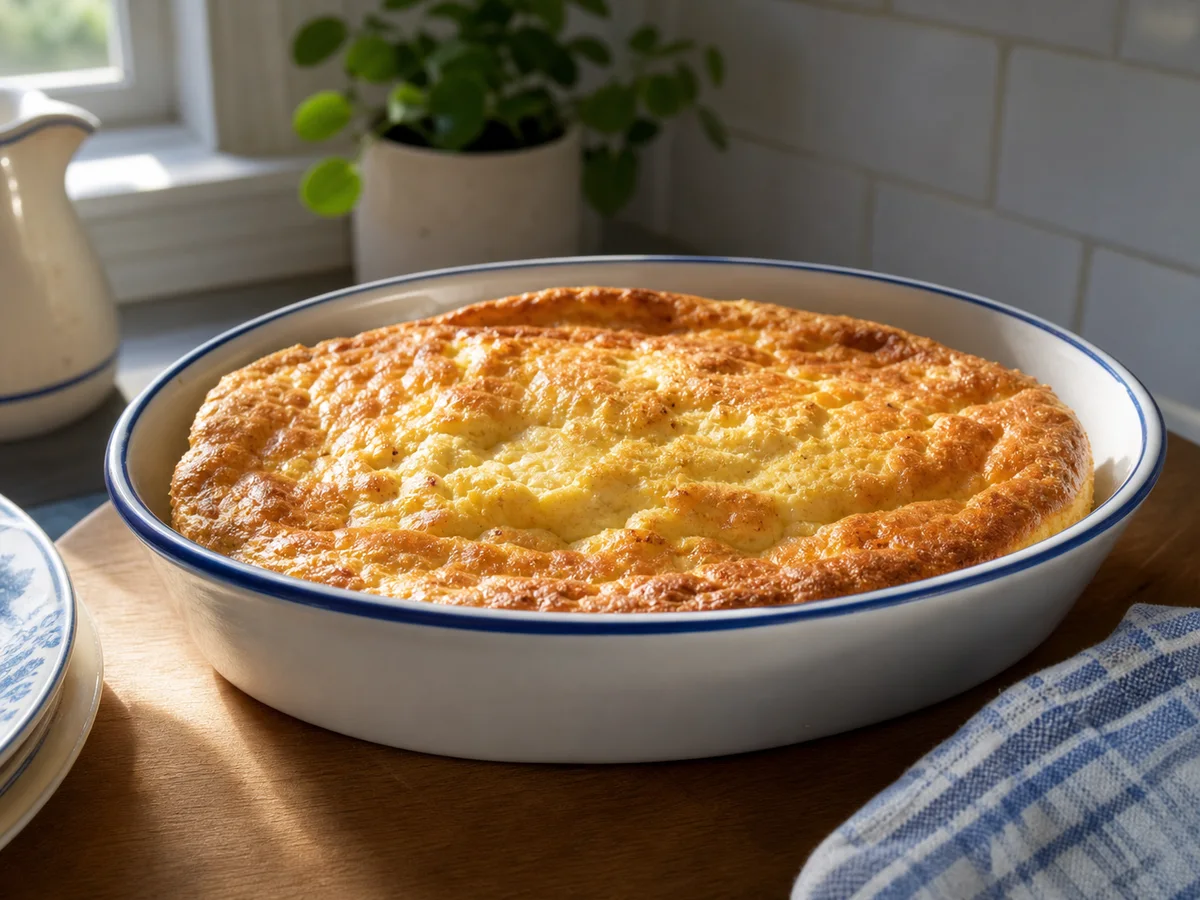
A bread omelet (baked), preserved from Marion Harland’s 1903 cookbook with ingredient cues including soak three tablespoonfuls of stale crumbs in a cupful of milk for two hours.
View recipe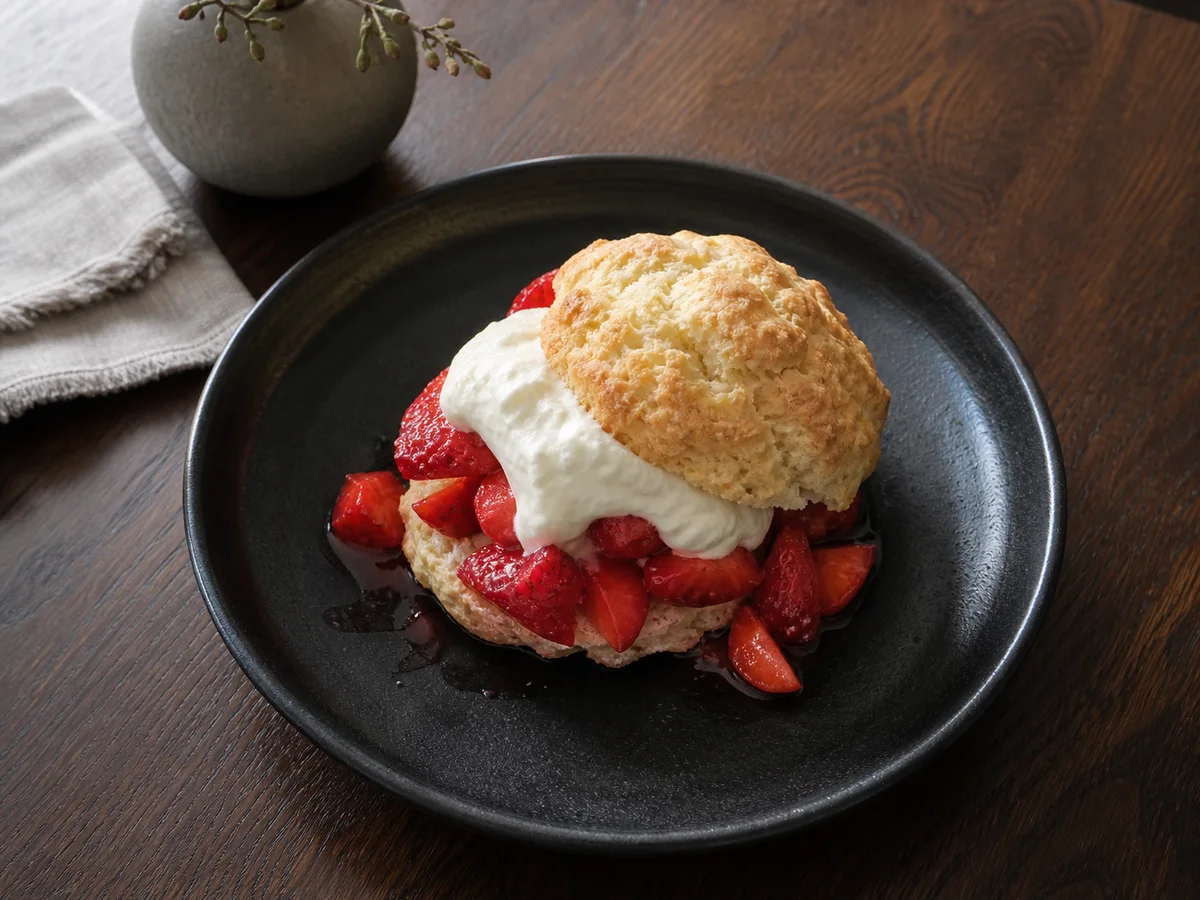
A historical breakfast preparation centered on flour, directly cited to Farmer’s 1910 edition.
View recipe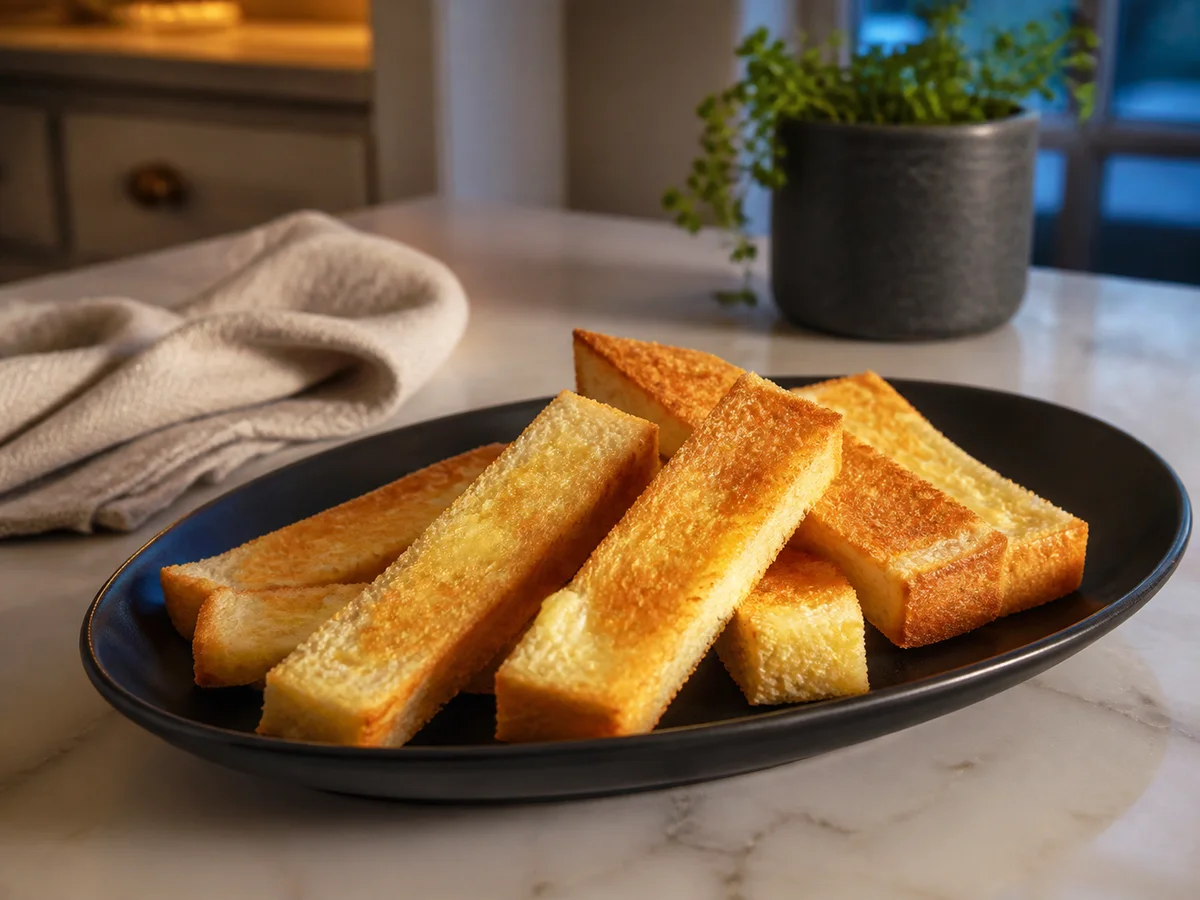
German toast, preserved from Marion Harland’s 1903 cookbook with ingredient cues including pare the slices and cut into strips twice as wide as your middle finger and about as.
View recipe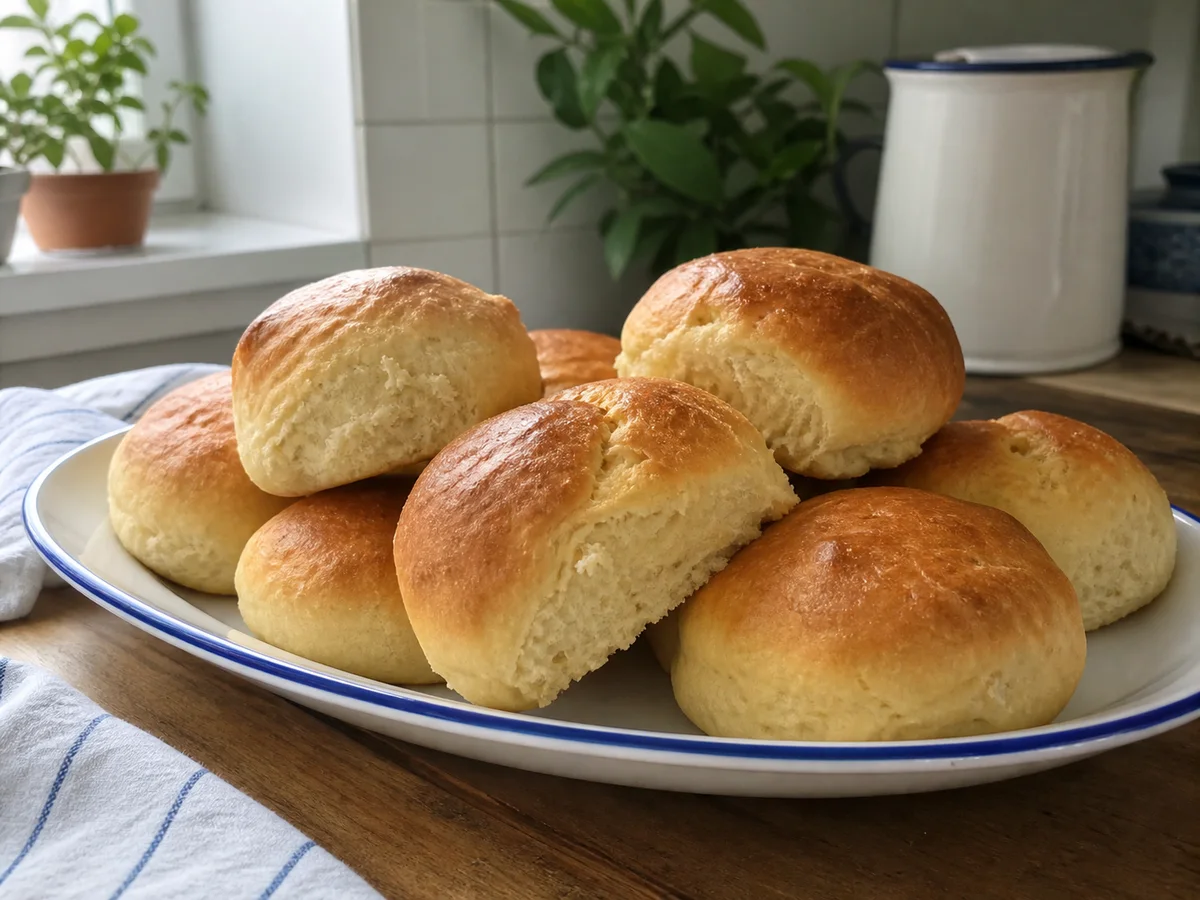
Breakfast rolls (No. 2), preserved from Marion Harland’s 1903 cookbook with ingredient cues including sift a quart of flour and stir into it a saltspoonful of salt, a teaspoonful of suga.
View recipe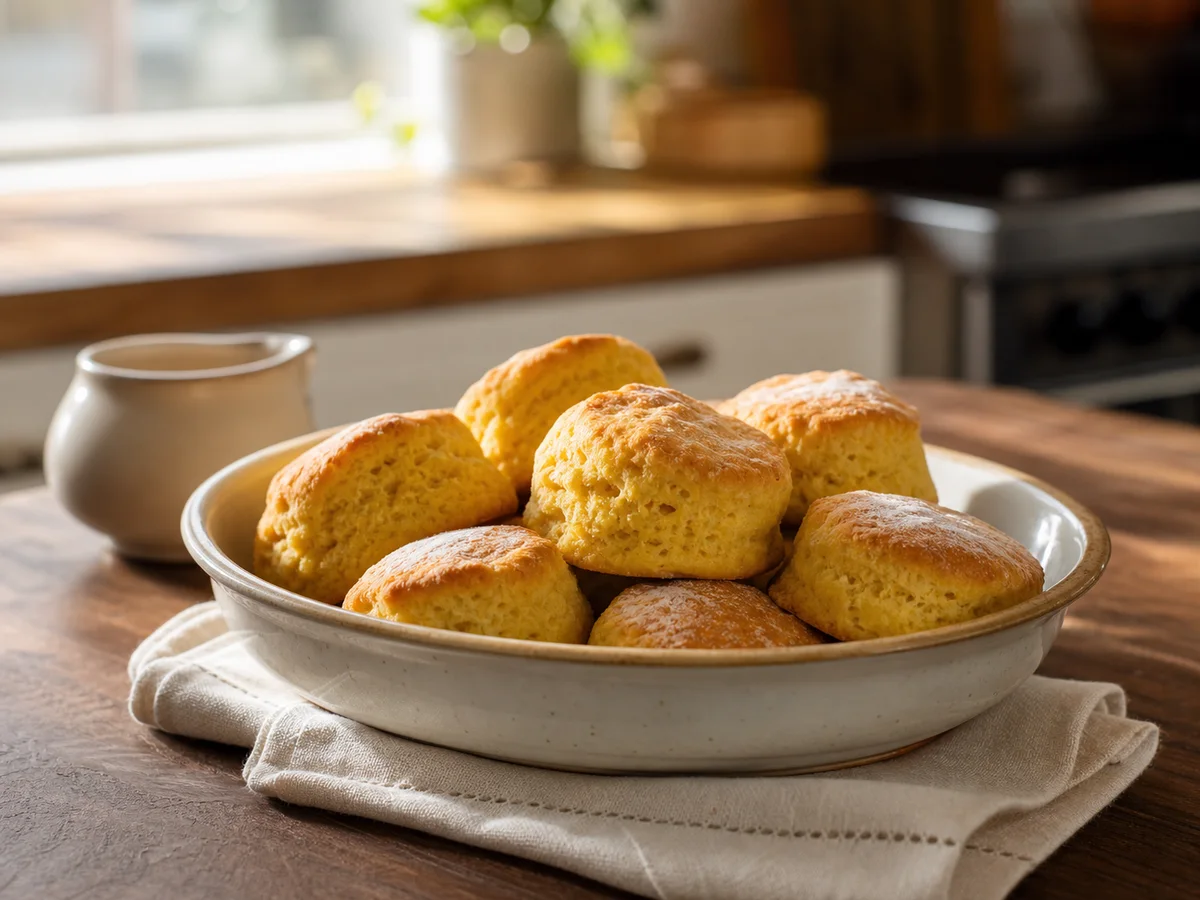
A measured 1910 bake built around squash (steamed and sifted), preserved with its original method and page citation.
View recipe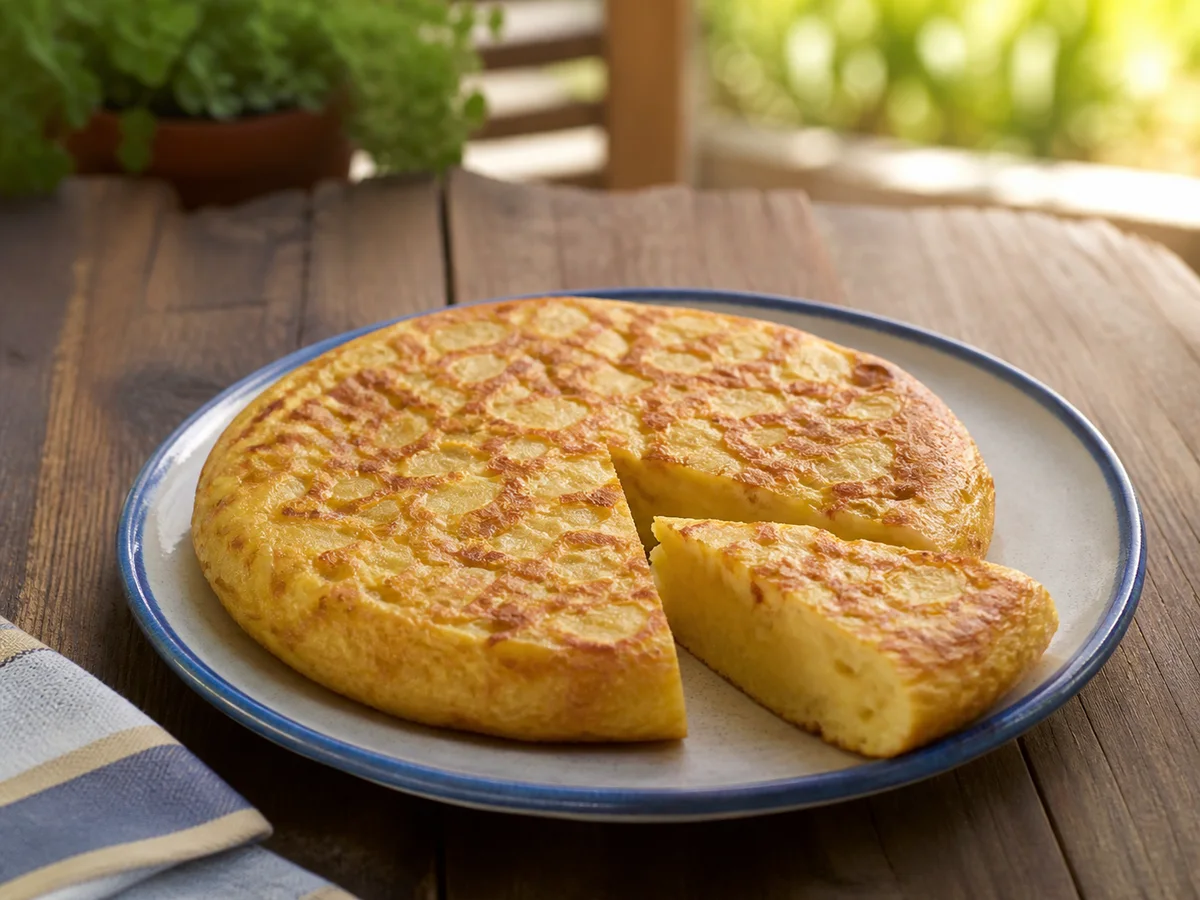
A concise historical tortilla de patatas translated into clear English without adding unsupported measurements.
View recipe