Breakfast Cited source
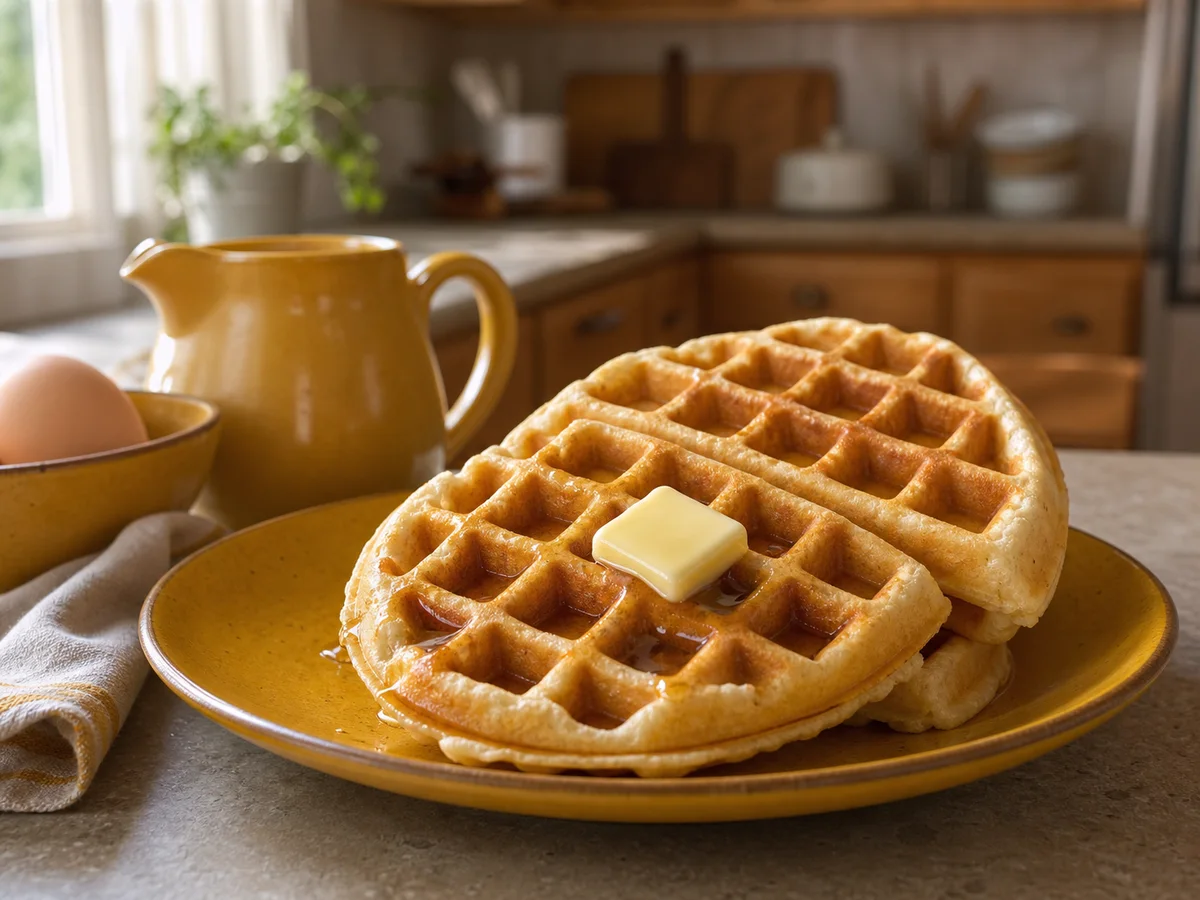
Waffles
A historical breakfast preparation centered on flour, directly cited to Farmer’s 1910 edition.
View recipeA growing cited recipe library
Search naturally—“kid-friendly vegetarian dinners under 35 minutes without mushrooms”—and WorkLife AI will interpret the constraints for you.
Every live recipe links to its original public-domain source. Twelve featured recipes are modern WorkLife adaptations; 888 archive recipes preserve measured source-text ingredient cues and original methods without pretending they were independently kitchen-tested. See our sourcing standard.
Understands time, dietary needs, ingredients, exclusions, leftovers, and cleanup.
Build a complete smart cartA historical breakfast preparation centered on flour, directly cited to Farmer’s 1910 edition.
View recipe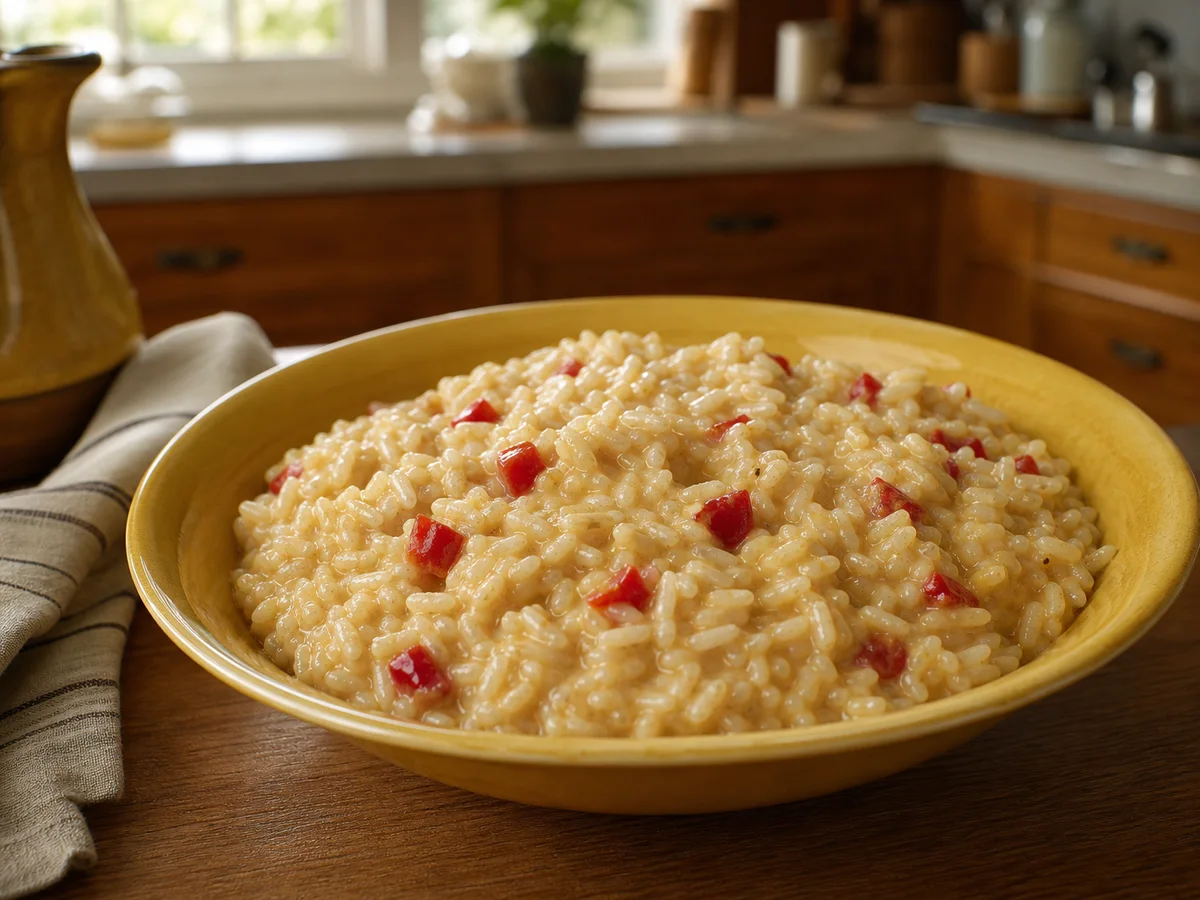
Start the day with Farmer’s original Rissoto Creole method, preserved as a source transcription.
View recipe
A historical breakfast preparation centered on “hard-boiled” eggs, directly cited to Farmer’s 1910 edition.
View recipe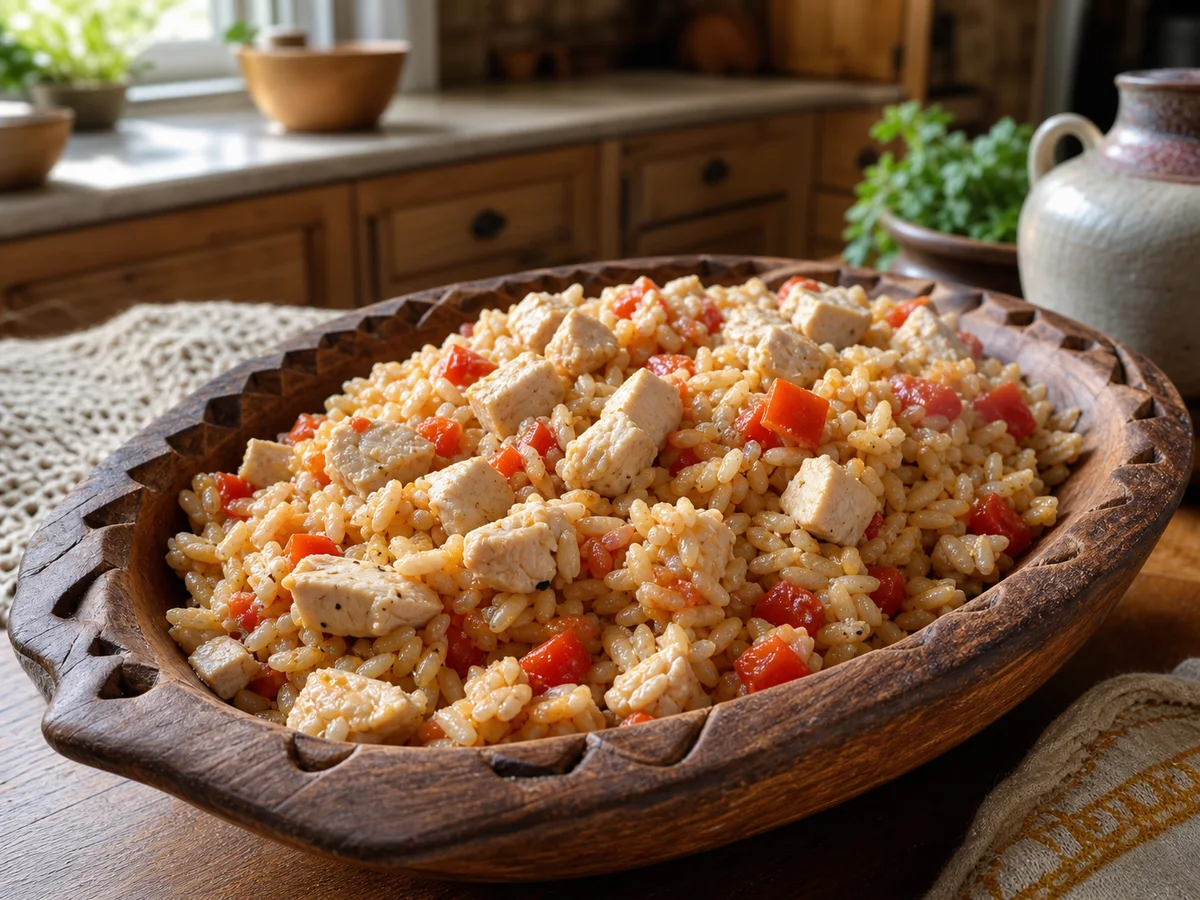
Start the day with Farmer’s original Turkish Pilaf III method, preserved as a source transcription.
View recipe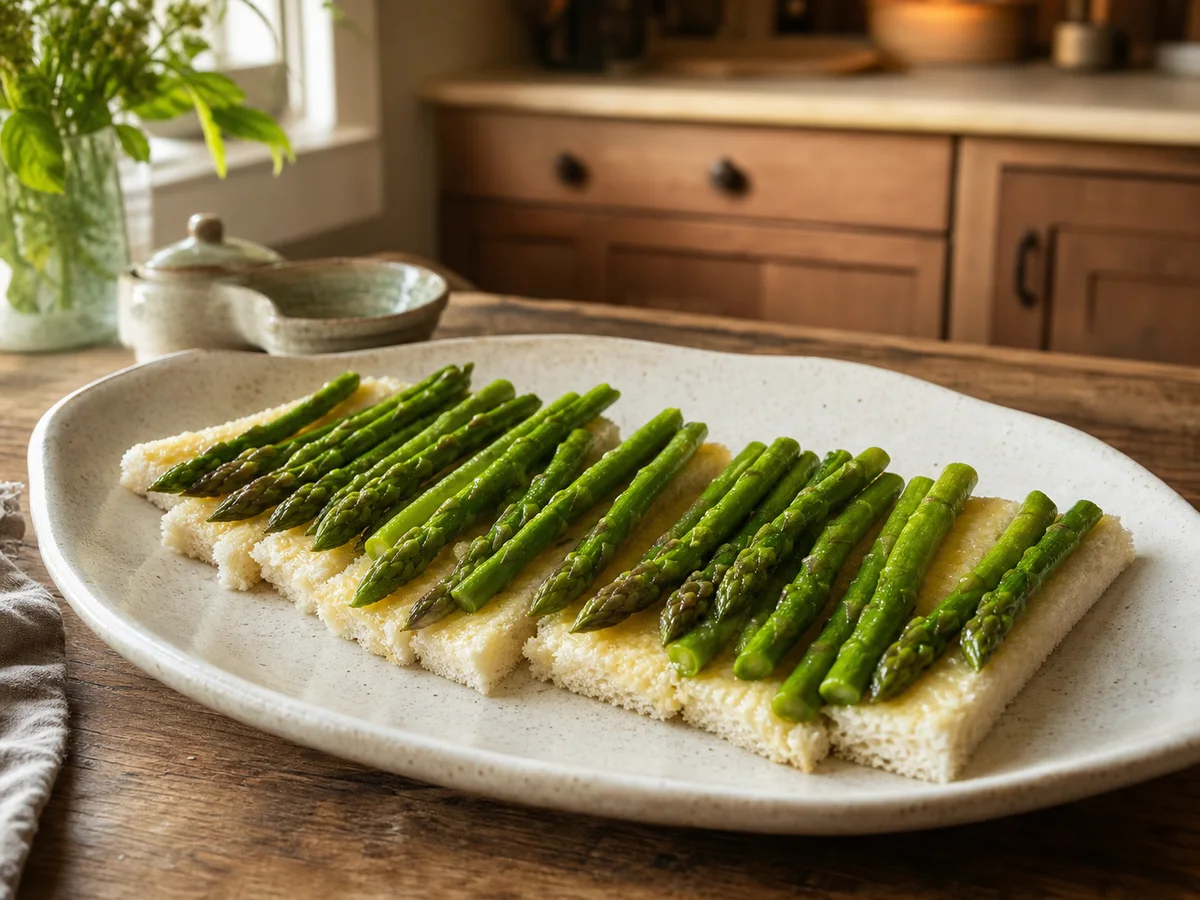
Asparagus on toast, preserved from Marion Harland’s 1903 cookbook with ingredient cues including have ready, boiling, enough salted water to cover the asparagus.
View recipe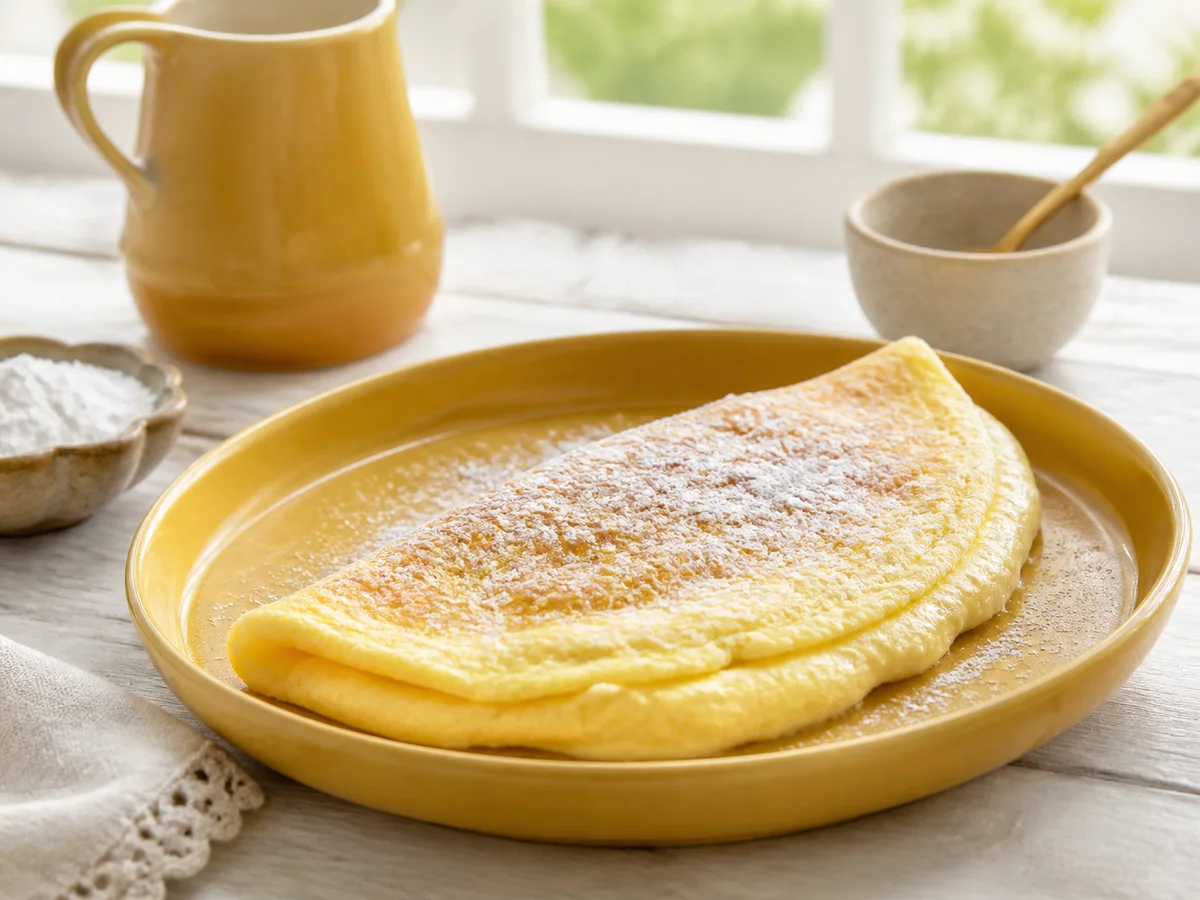
Start the day with Farmer’s original Omelette Robespierre method, preserved as a source transcription.
View recipe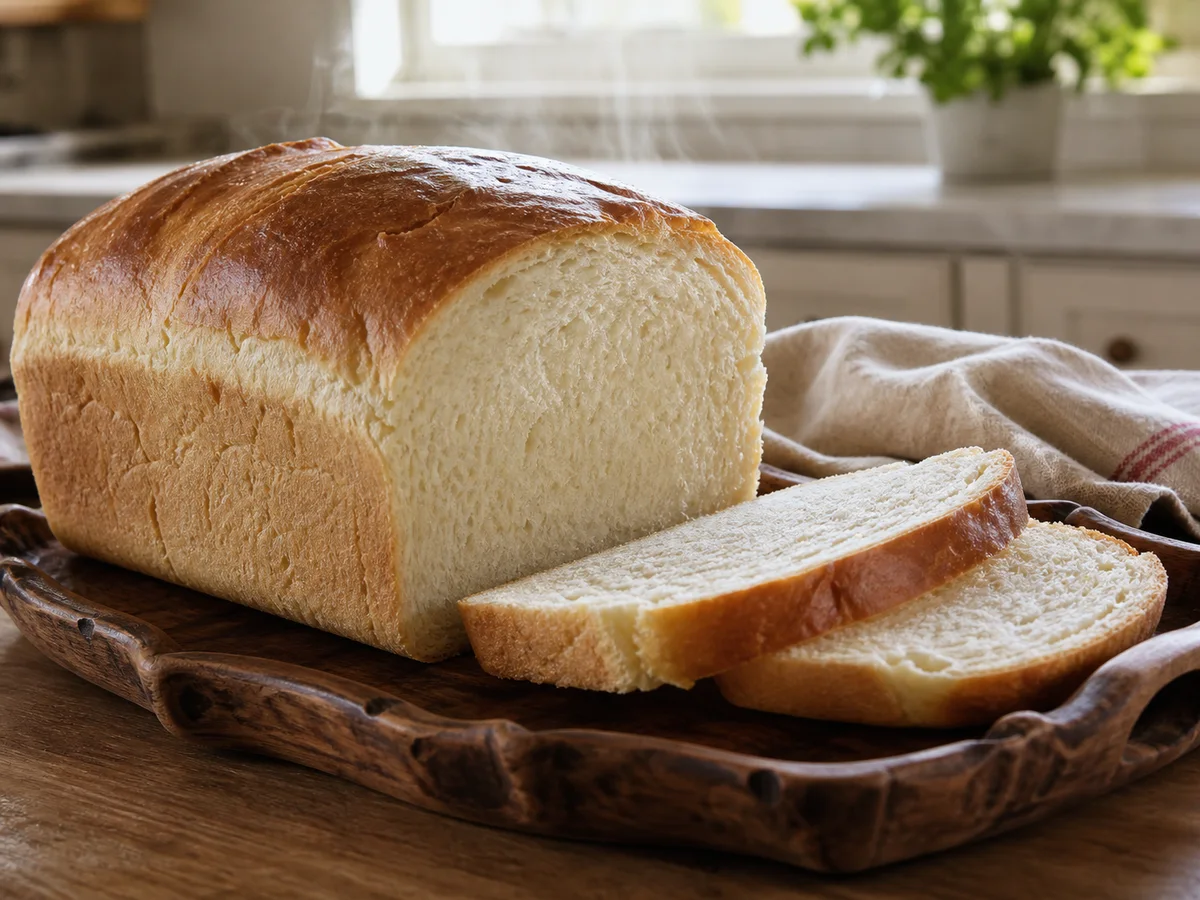
Milk bread (No. 1), preserved from Marion Harland’s 1903 cookbook with ingredient cues including sift two quarts of flour with a tablespoonful of sugar and an even teaspoonful of sa.
View recipe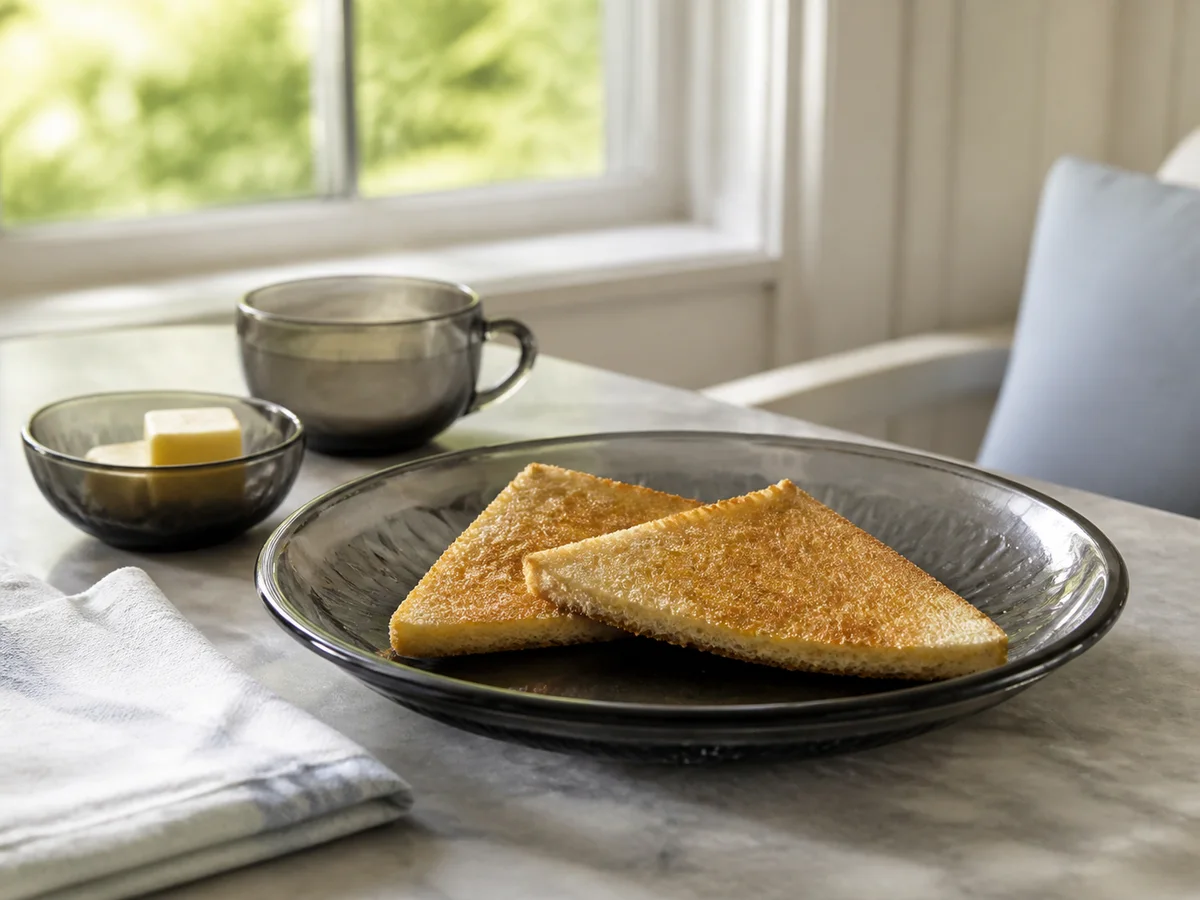
Toast, pure and simple, preserved from Marion Harland’s 1903 cookbook with ingredient cues including pare the crust from thin slices of bread, cut each slice in two and toast to a golde.
View recipe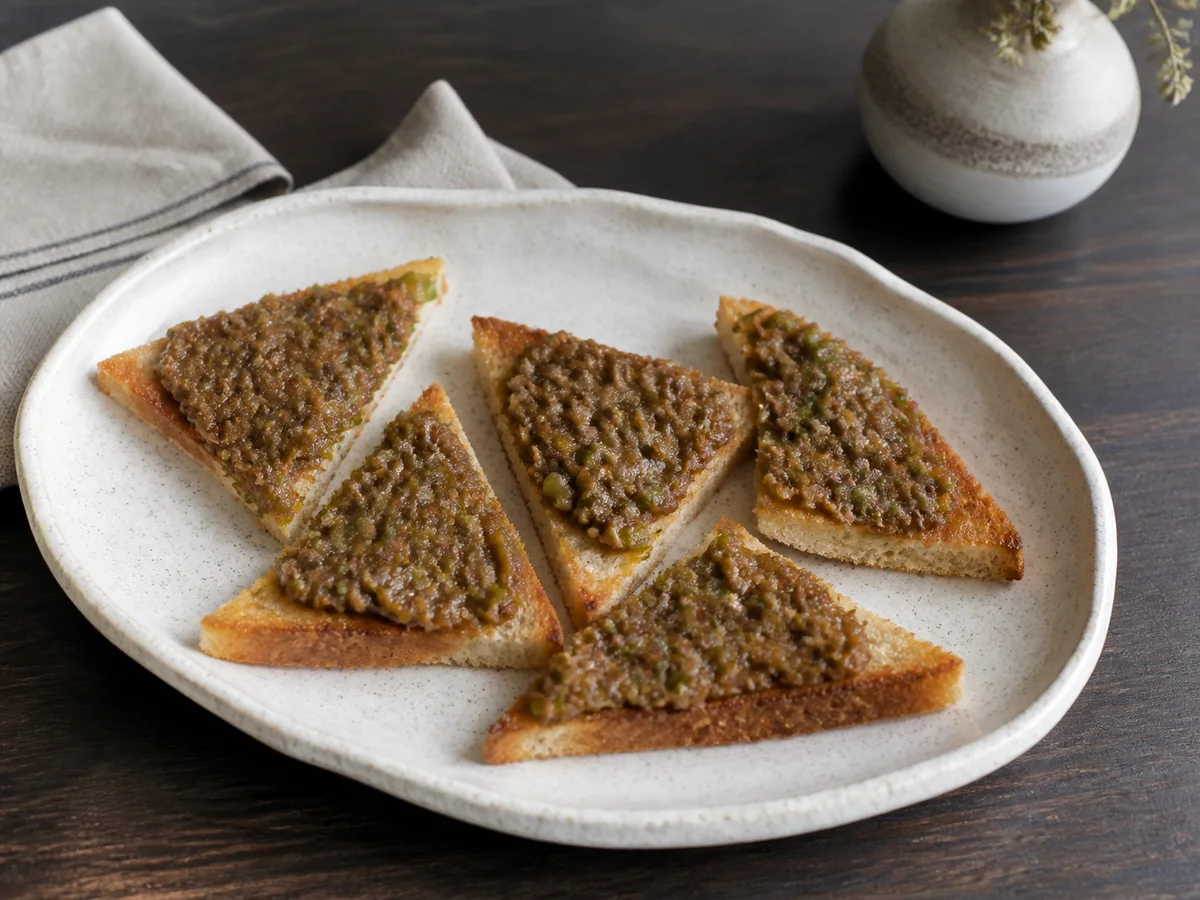
Green pepper toast, preserved from Marion Harland’s 1903 cookbook with ingredient cues including slice bread thin, cut off the crusts and toast on both sides to a delicate brown, th.
View recipe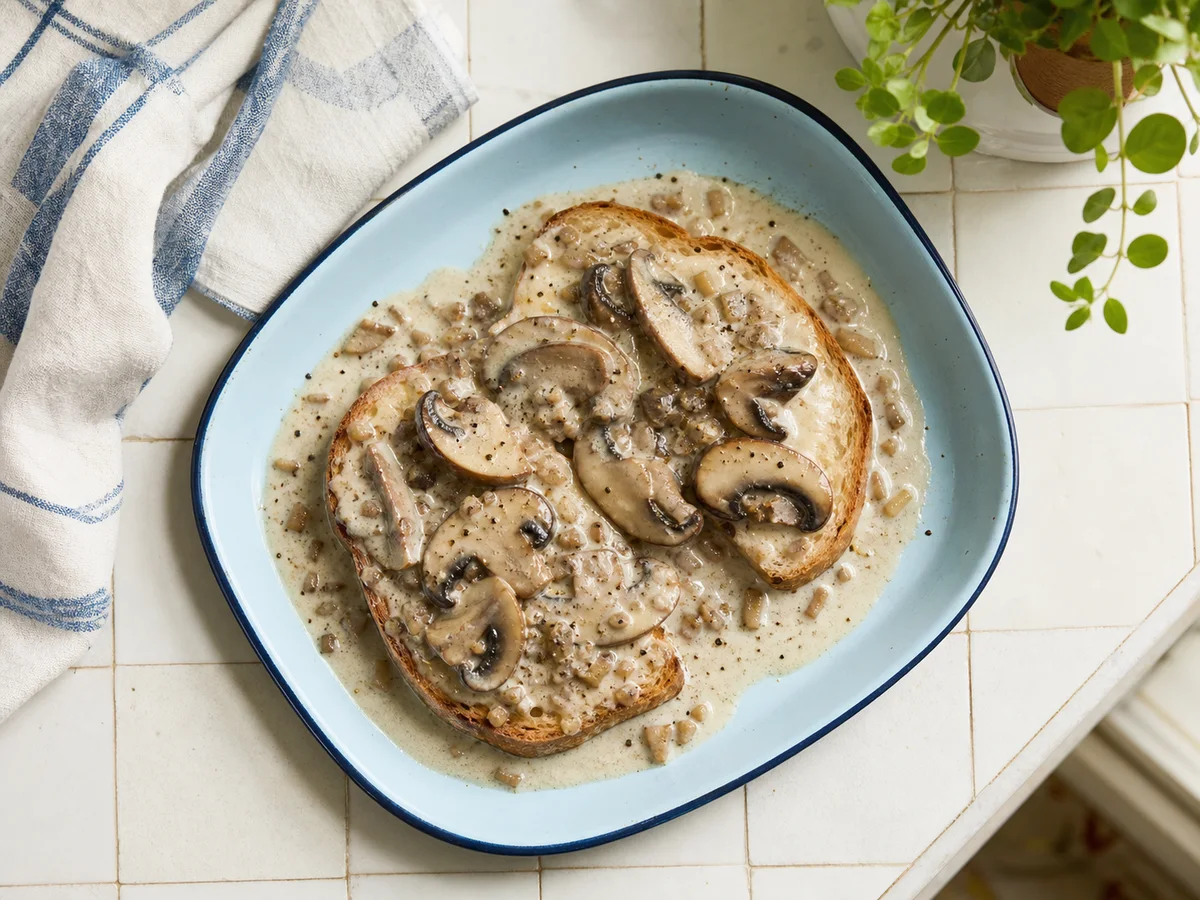
A page-cited historical breakfast recipe from Marion Harland, transcribed with its original method.
View recipe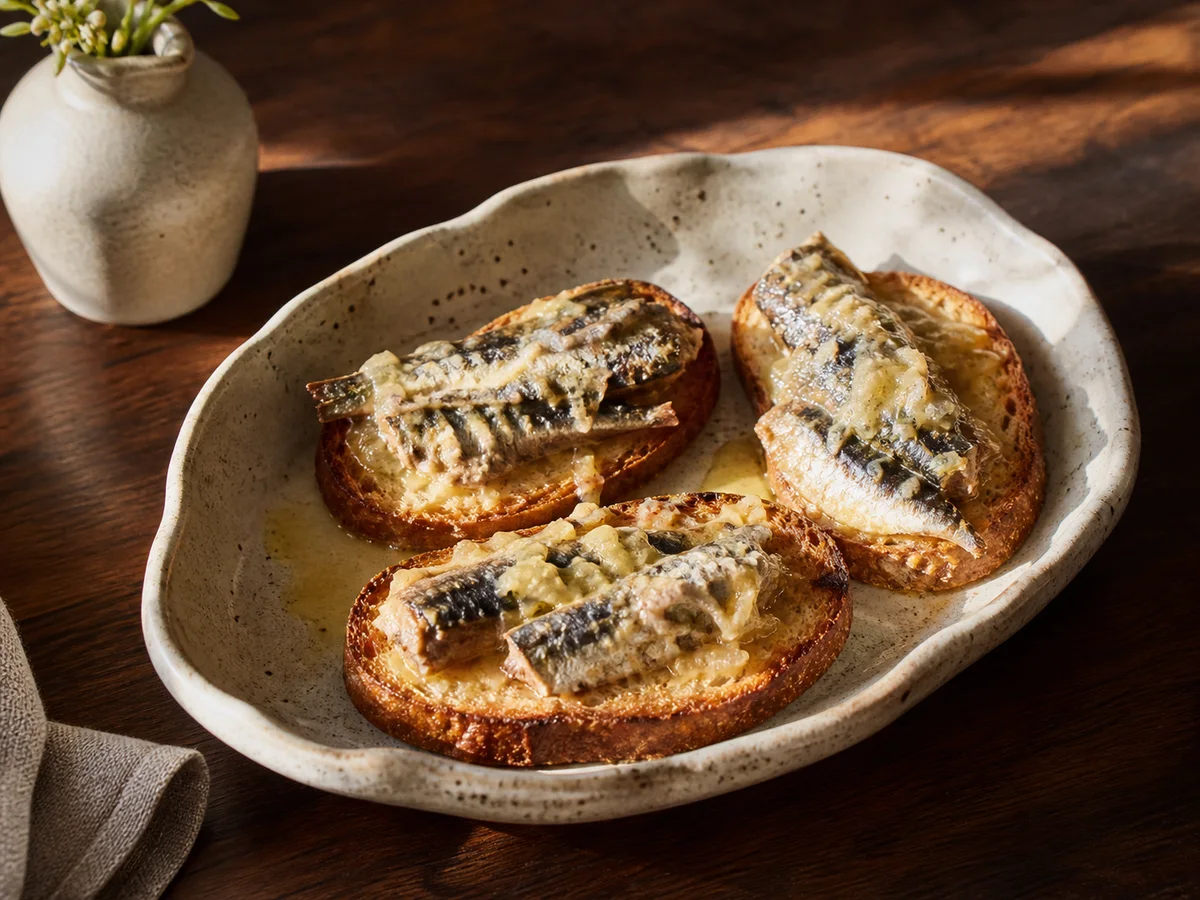
Sardine toast, preserved from Marion Harland’s 1903 cookbook with ingredient cues including butter rounds of toast and set in the oven to brown.
View recipe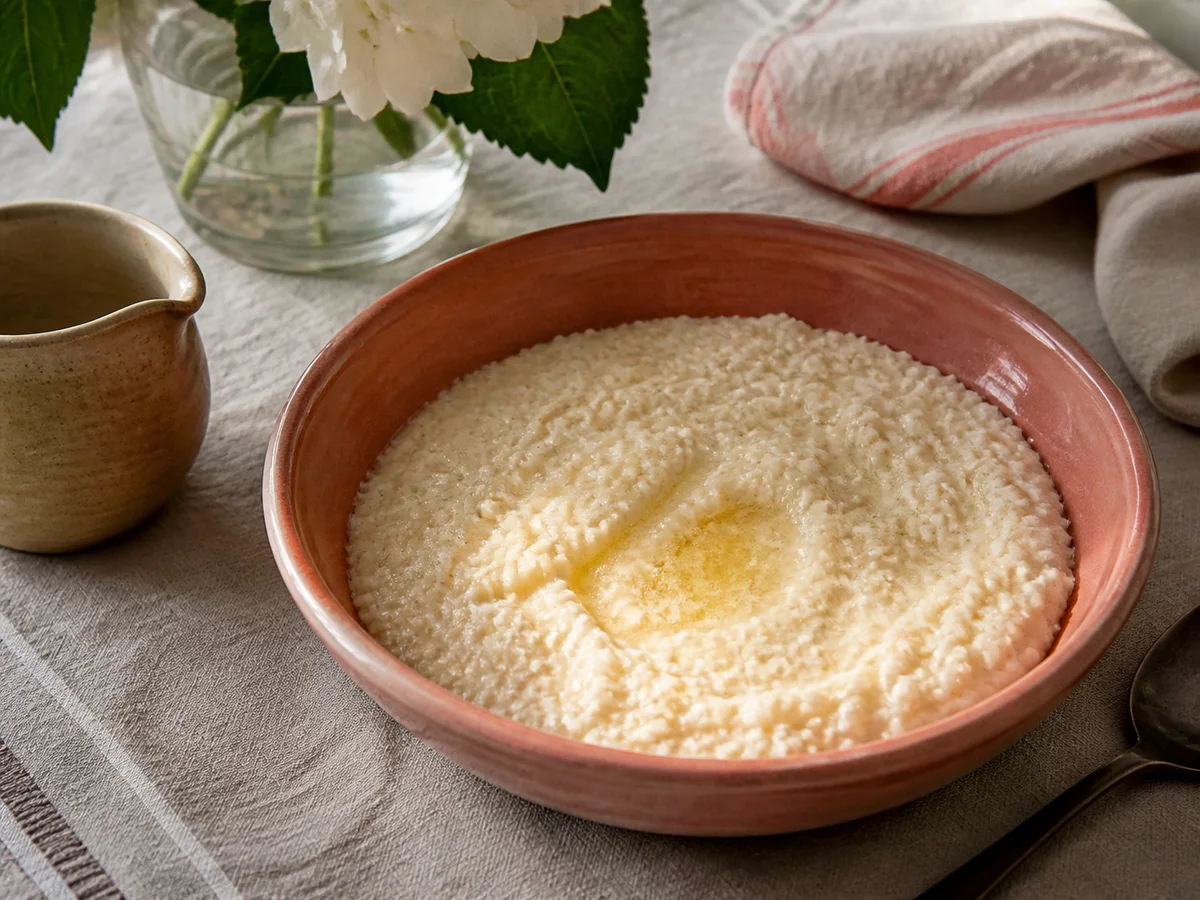
Farina, preserved from Marion Harland’s 1903 cookbook with ingredient cues including in the morning, stir it into boiling water, slightly salted, and cook half an hour, .
View recipe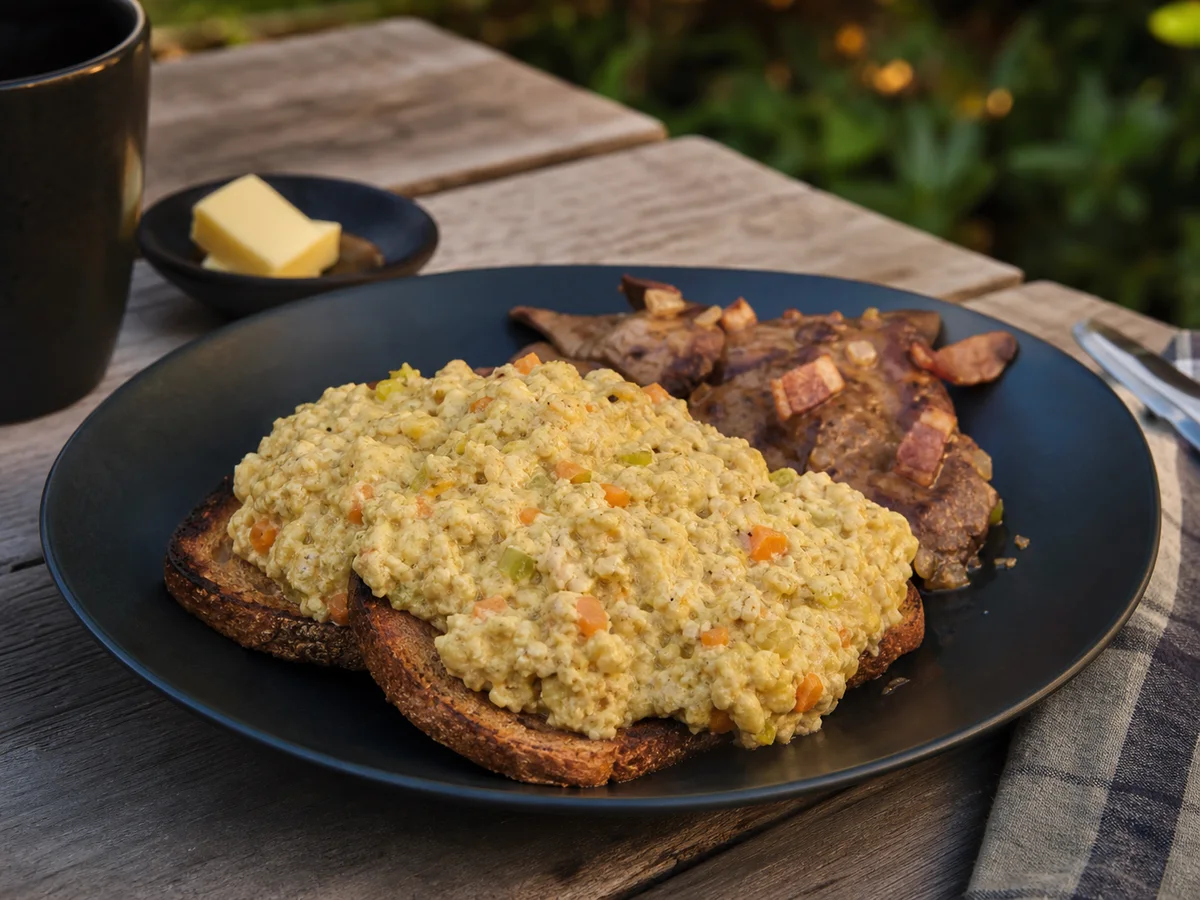
Marion Harland’s original method for Brains on toast, retained as a source transcription for modern discovery.
View recipe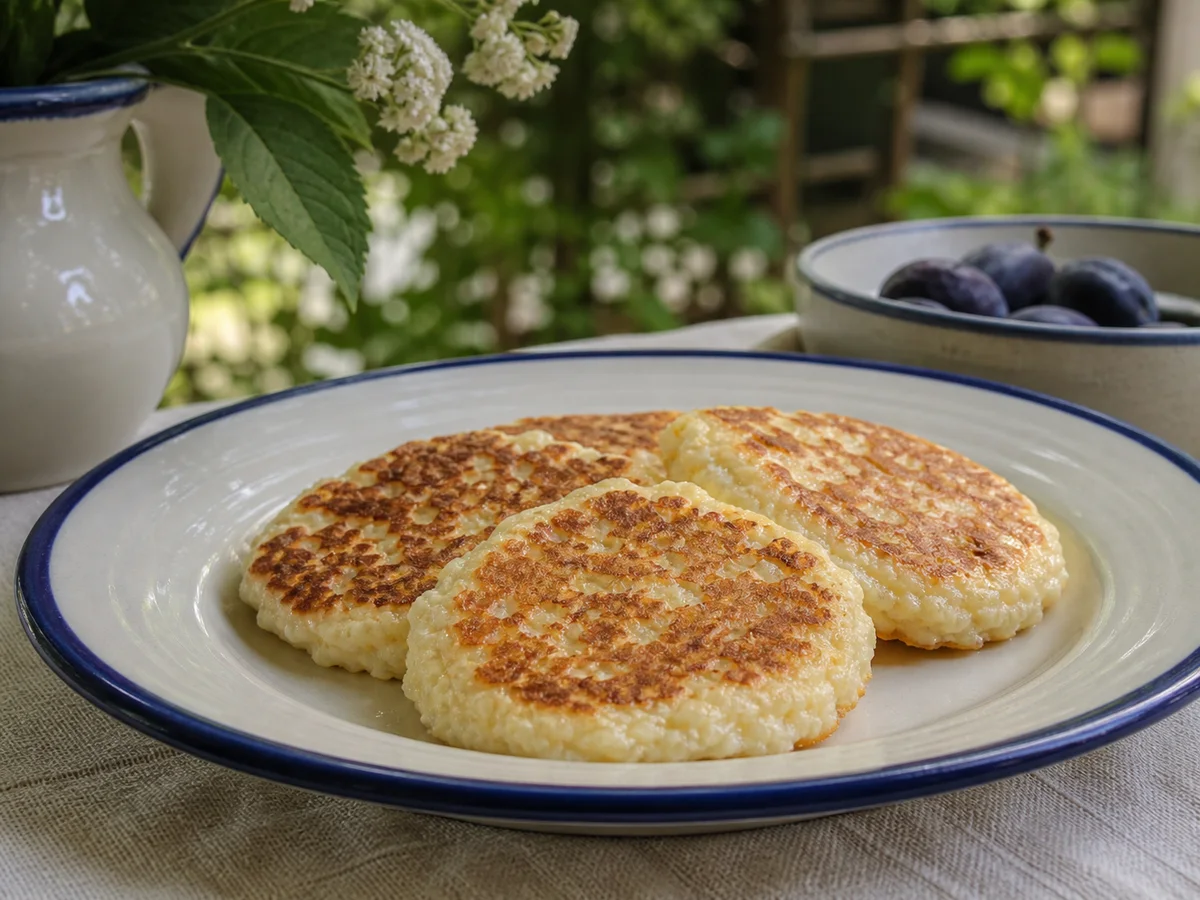
Start the day with Farmer’s original Rice Griddle-cakes II method, preserved as a source transcription.
View recipe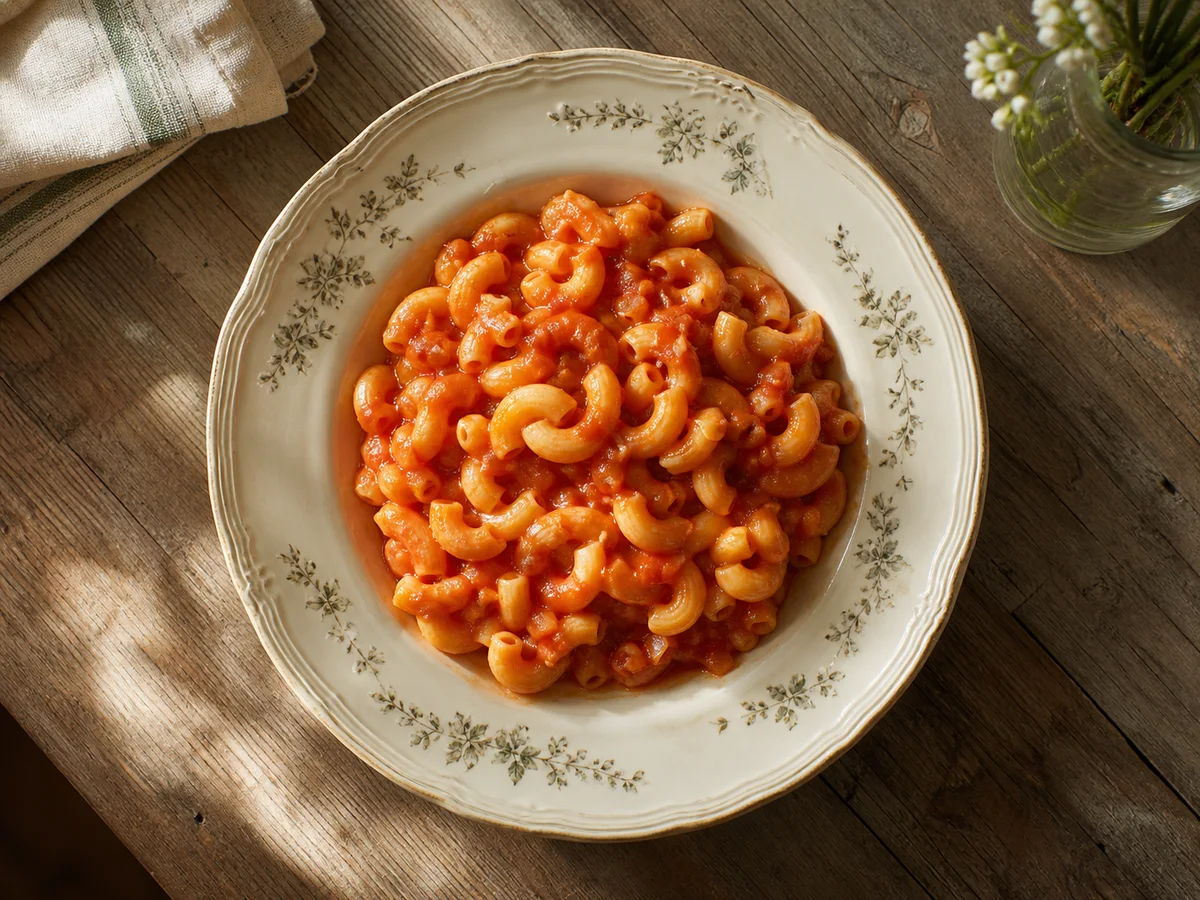
Start the day with Farmer’s original Macaroni à l’Italienne method, preserved as a source transcription.
View recipe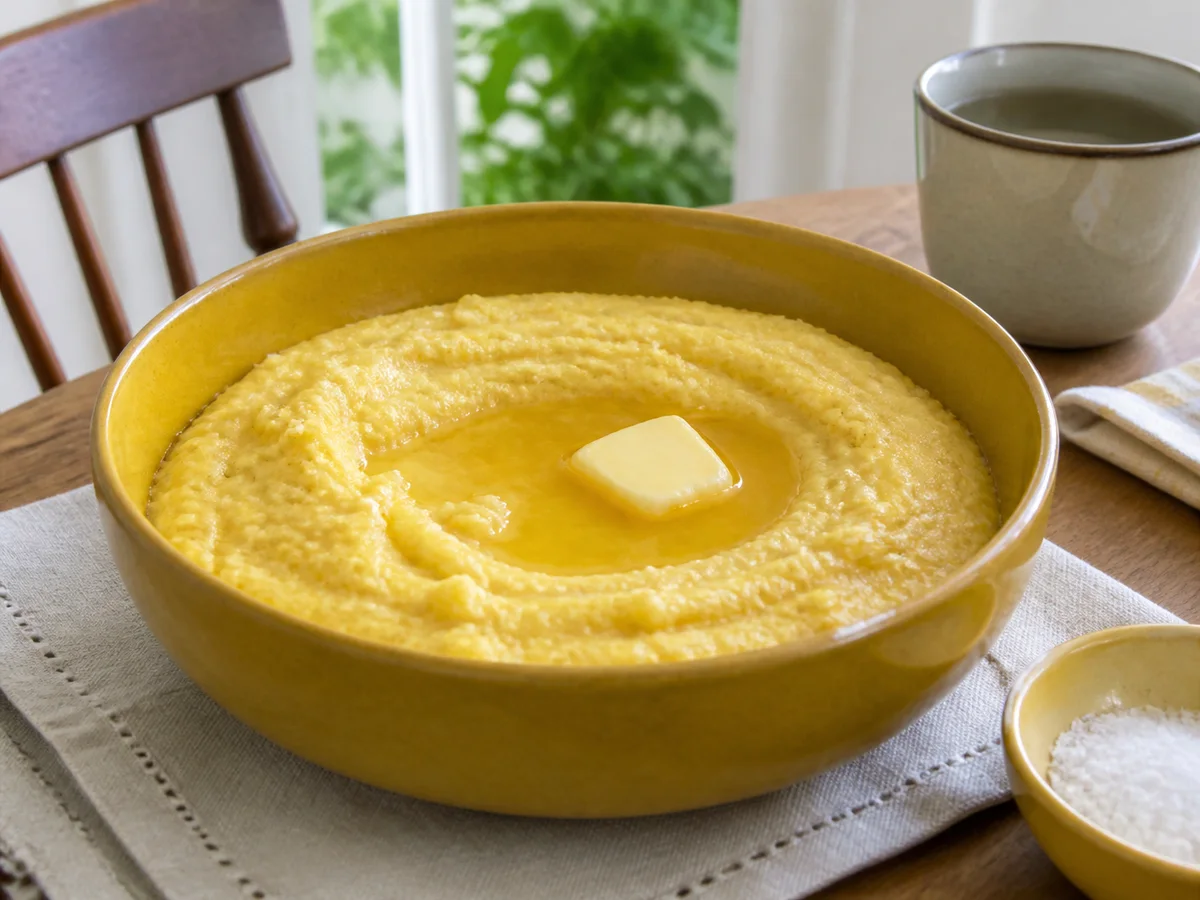
Indian meal mush, preserved from Marion Harland’s 1903 cookbook with ingredient cues including moisten a cupful of corn-meal with enough cold water to make it into a paste.
View recipe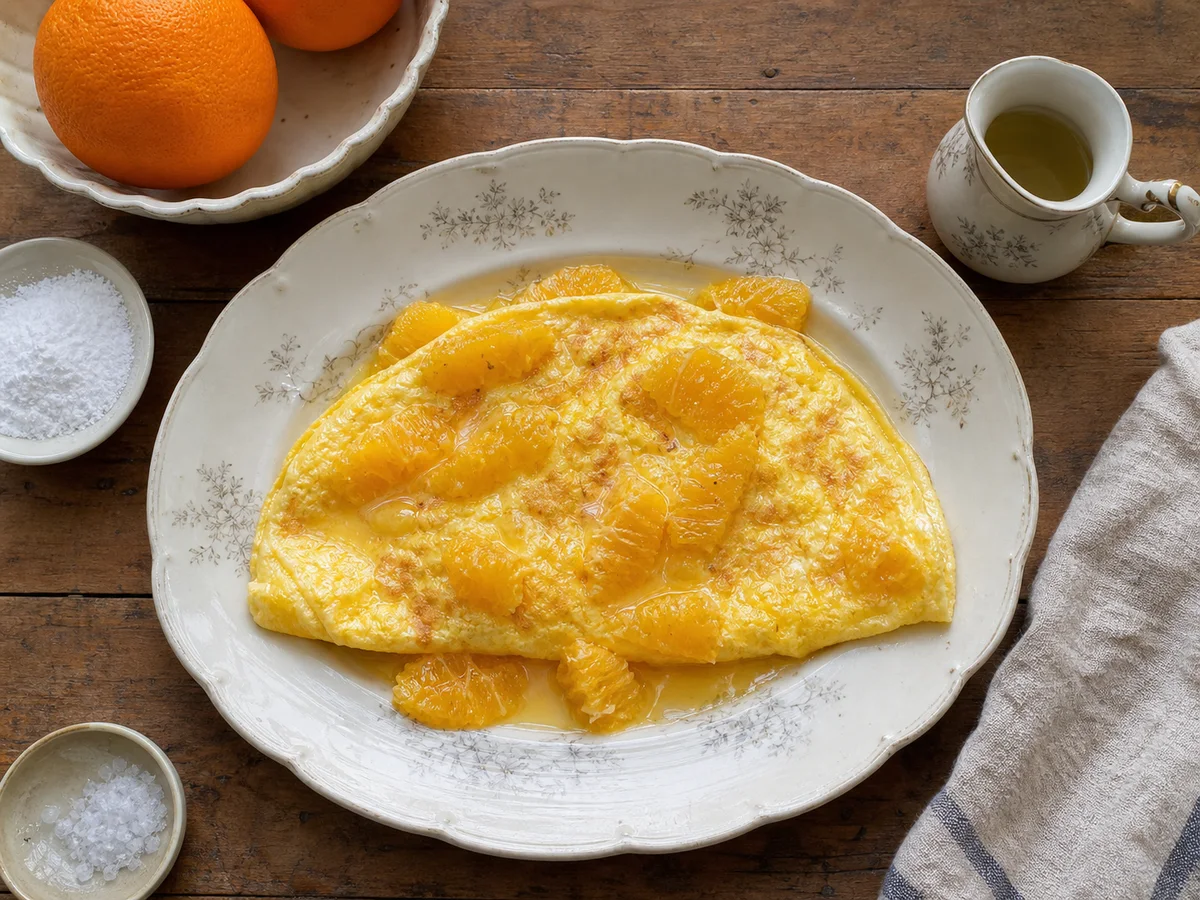
Start the day with Farmer’s original Orange Omelet method, preserved as a source transcription.
View recipe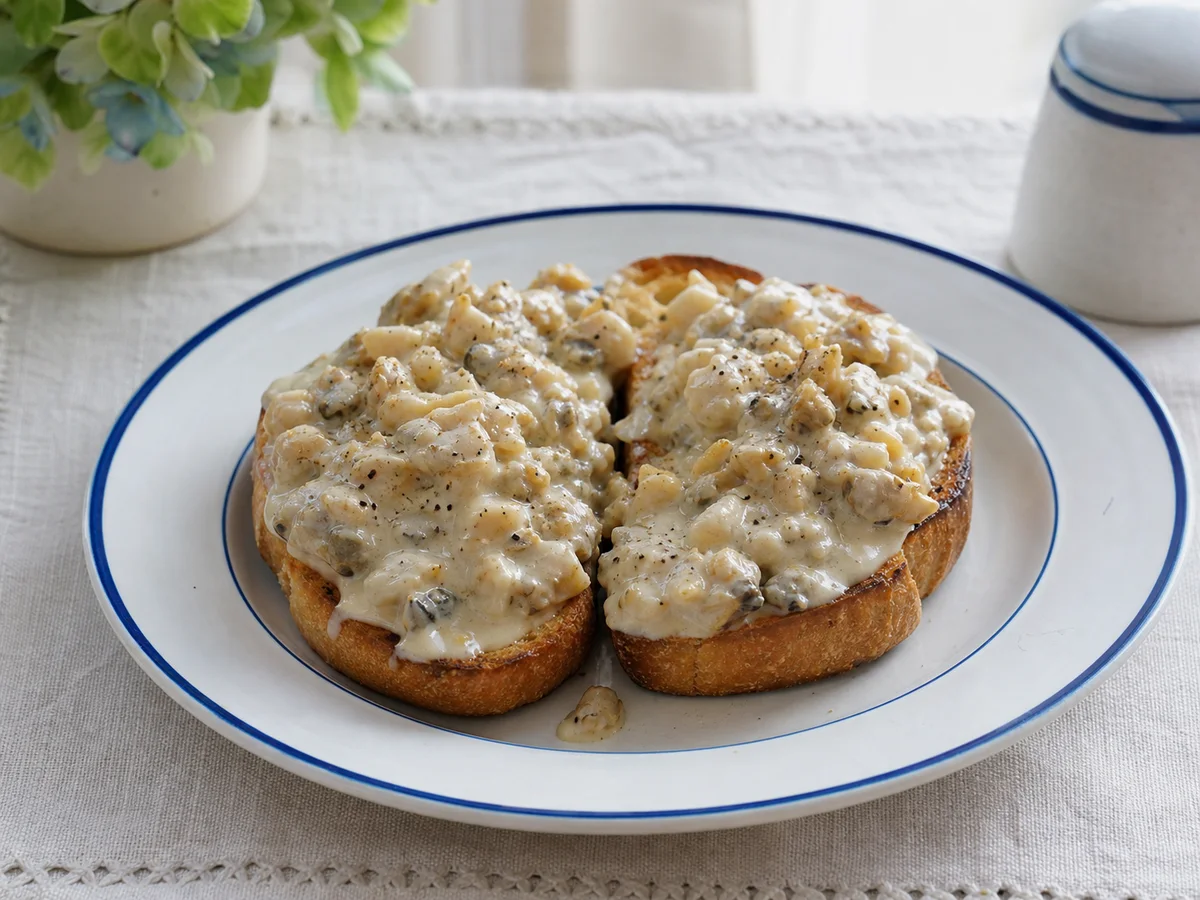
A page-cited historical breakfast recipe from Marion Harland, transcribed with its original method.
View recipe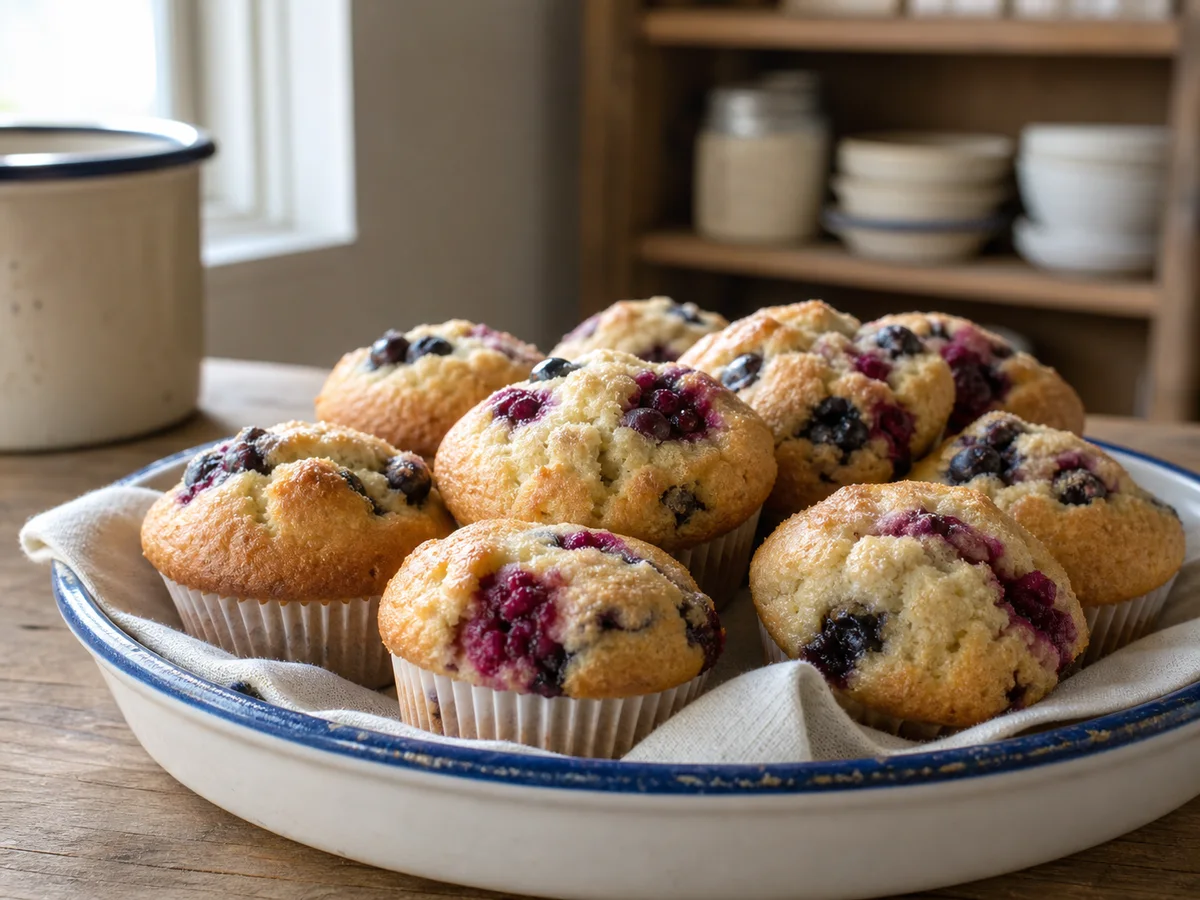
A historical breakfast preparation centered on butter, directly cited to Farmer’s 1910 edition.
View recipe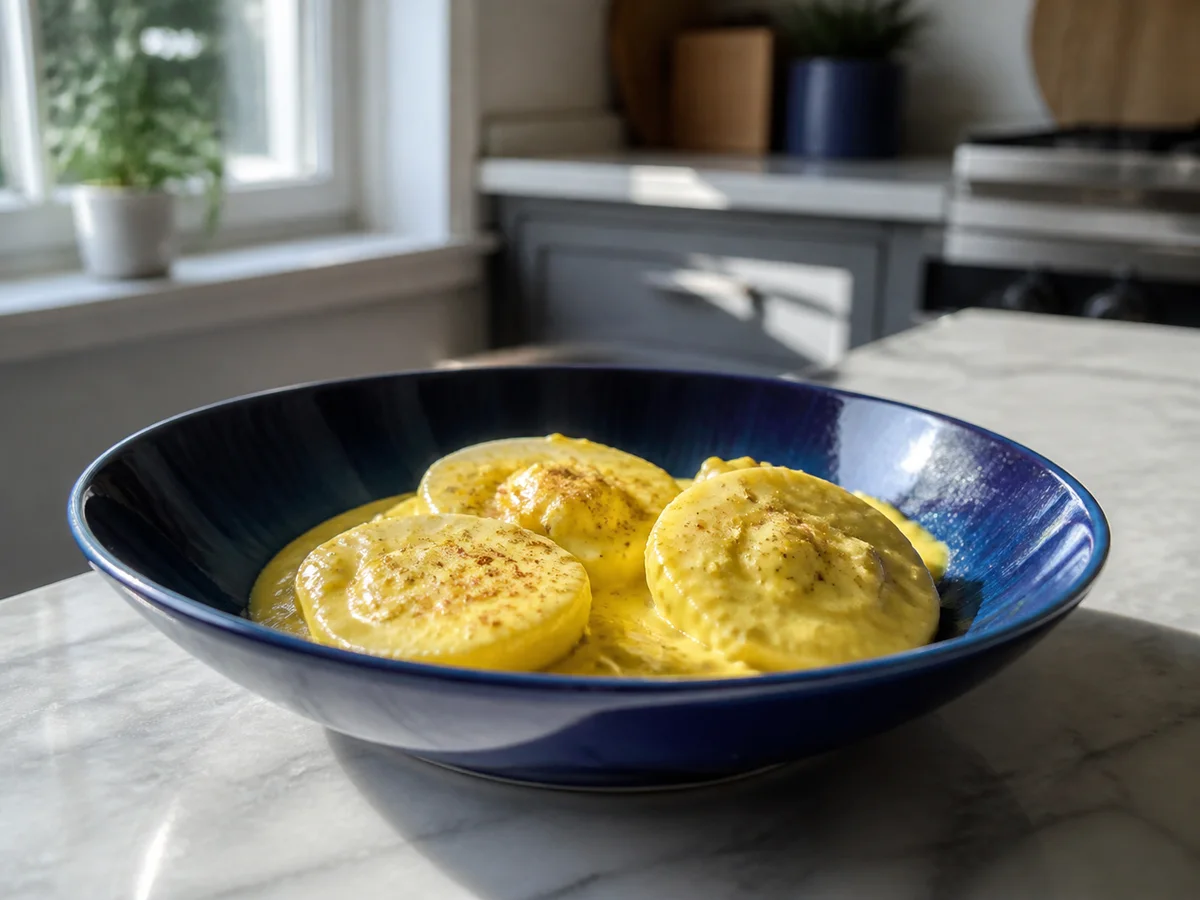
A historical breakfast preparation centered on “hard-boiled” eggs, directly cited to Farmer’s 1910 edition.
View recipe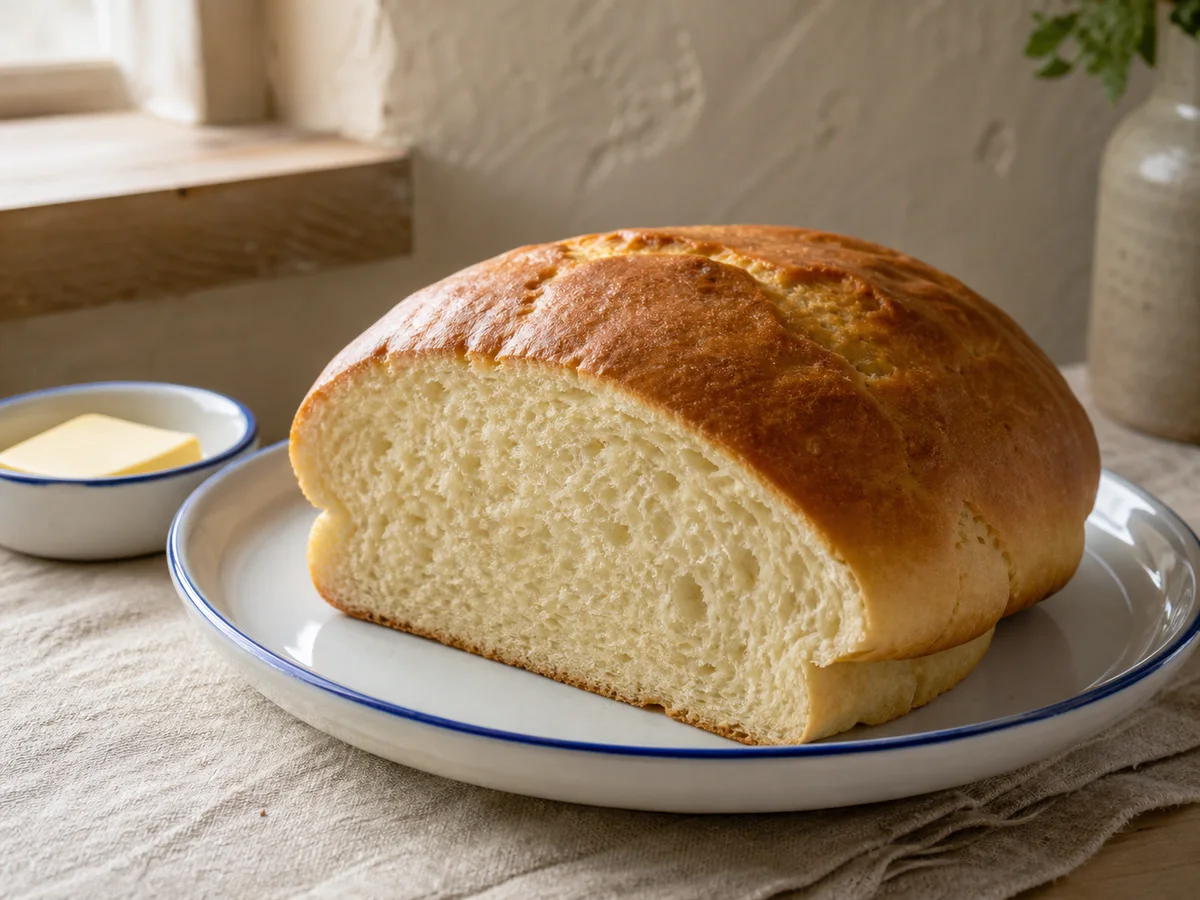
Marion Harland’s original method for Bread with plain sponge (No. 2), retained as a source transcription for modern discovery.
View recipe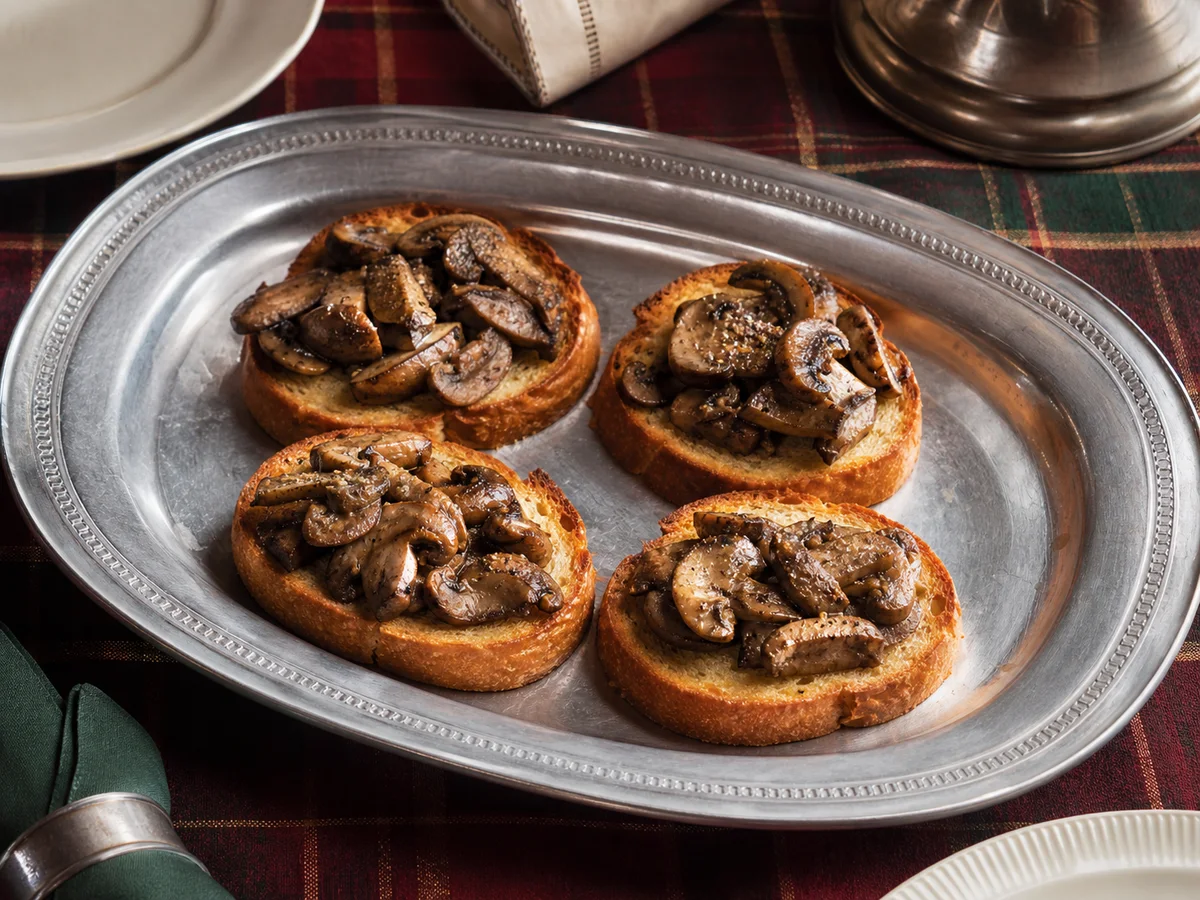
Mushrooms on toast, preserved from Marion Harland’s 1903 cookbook with ingredient cues including peel and broil fresh mushrooms, spread them with butter, dust with salt and pepper, .
View recipe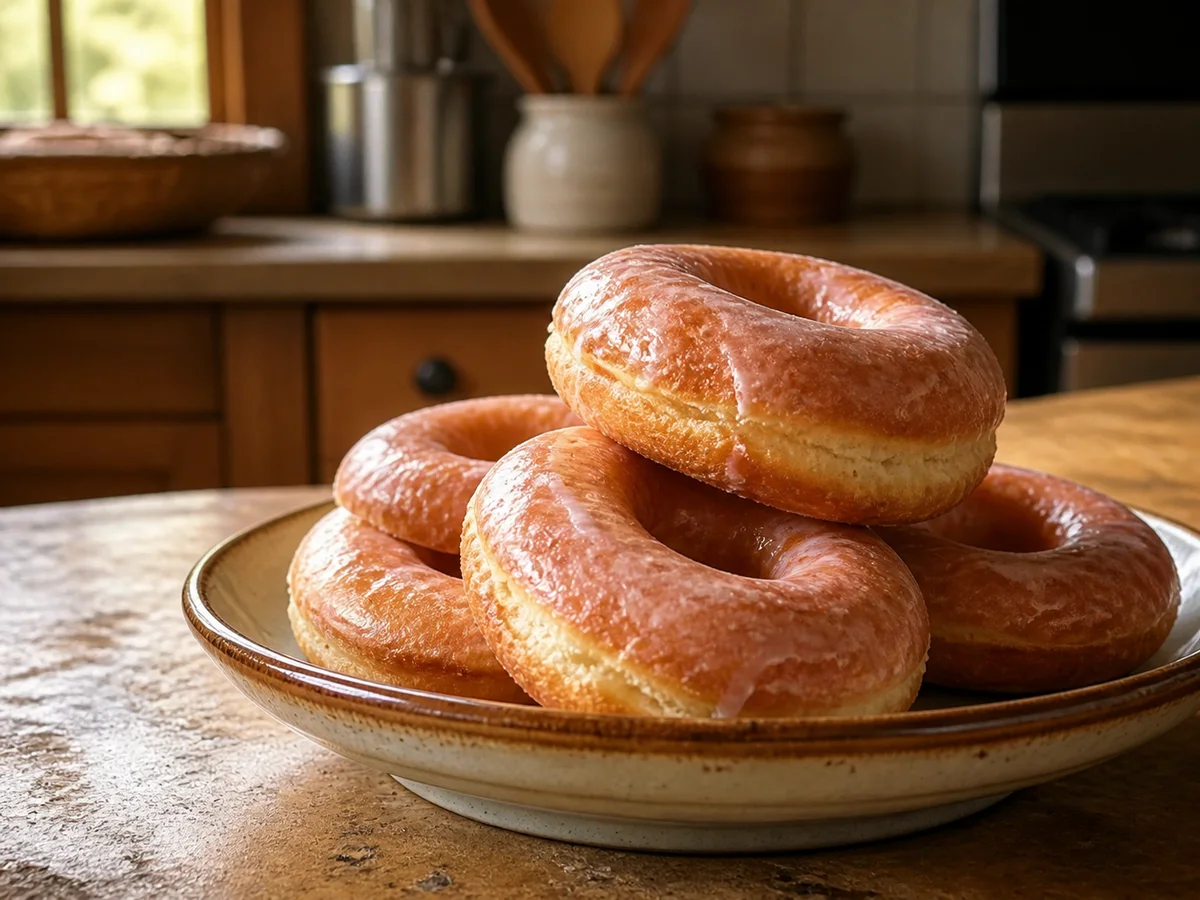
A historical breakfast preparation centered on milk, directly cited to Farmer’s 1910 edition.
View recipe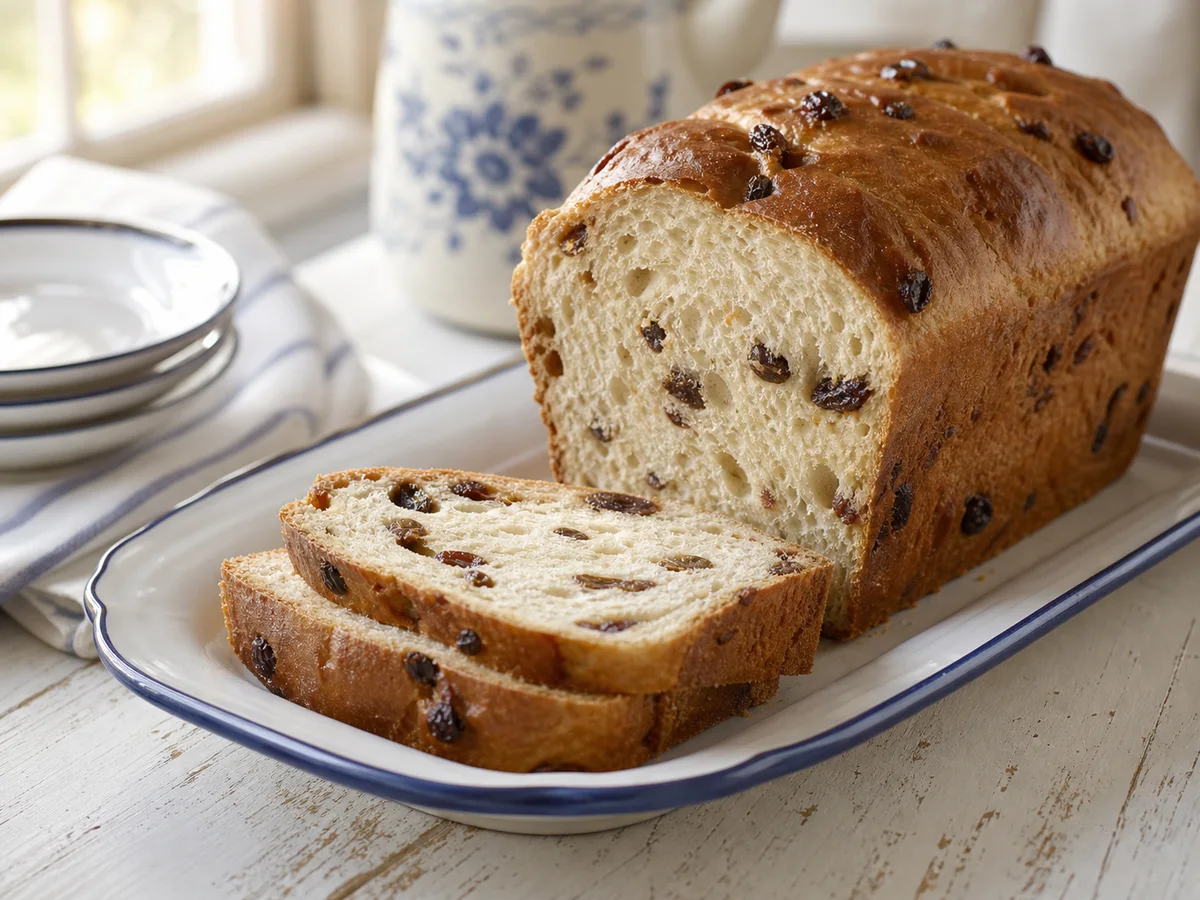
Marion Harland’s original method for Raisin bread, retained as a source transcription for modern discovery.
View recipe