Breakfast
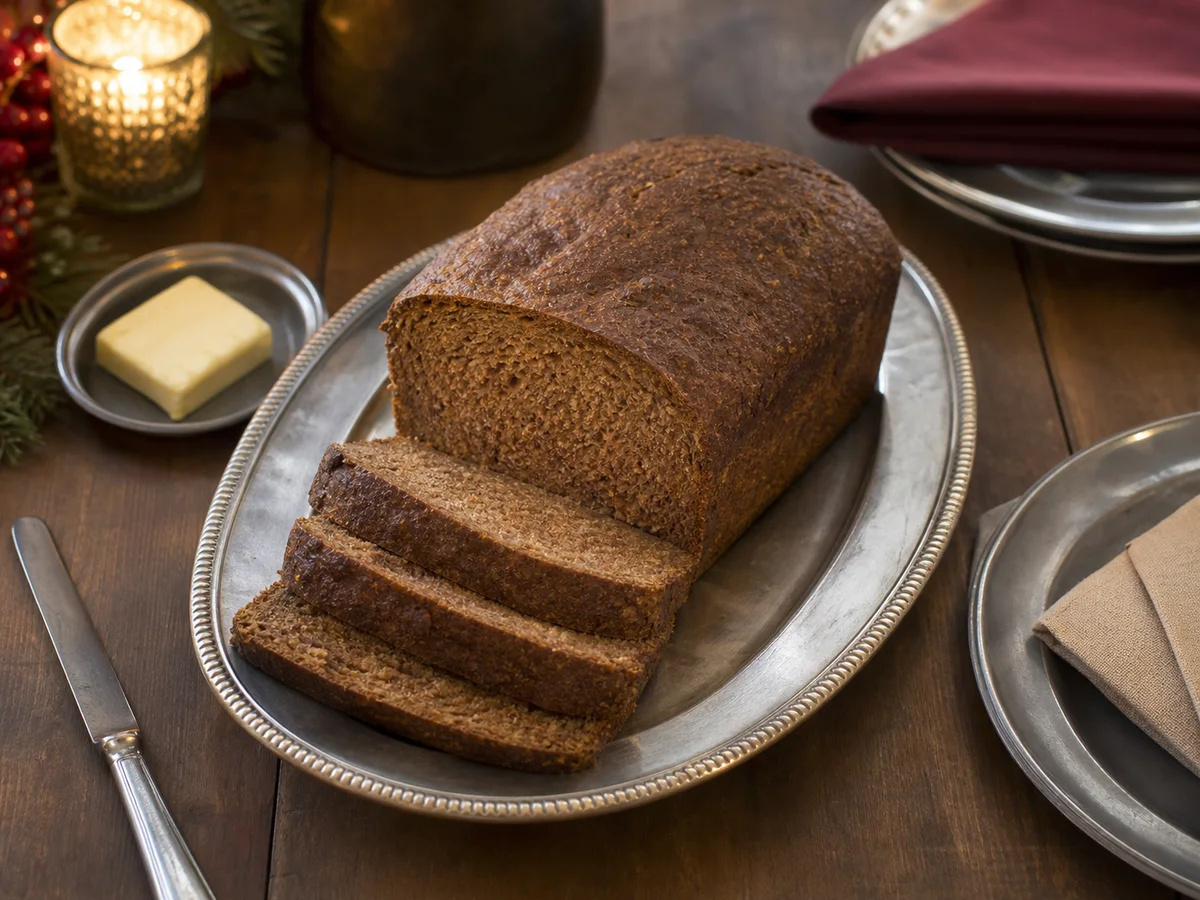
Graham bread (No. 1)
Graham bread (No. 1), preserved from Marion Harland’s 1903 cookbook with ingredient cues including set a sponge over night, as for white bread, and in the morning work into it a cup o.
Prep, cook, and serving values are clearly labeled editorial estimates. This transcription still needs a verified yield and modern kitchen adaptation before WorkLife will allow it to create a shopping cart.
From the cited source
Source ingredient cues
These cues were extracted from the historical method for discovery. Use the complete source method and citation alongside them.
- Set a sponge over night, as for white bread, and in the morning work into it a cup of salted whole wheat flour, three cups of graham flour and three tablespoonfuls of molasses.
- The loaves should be covered with thick wrapping-paper during the first half-hour they are in the oven, then allowed to brown.
Historical transcription
Source method
- 1
Set a sponge over night, as for white bread, and in the morning work into it a cup of salted whole wheat flour, three cups of graham flour and three tablespoonfuls of molasses. Knead long and hard, and set to rise. When very light make into loaves and set in a warm place for an hour longer. Bake in an even oven. The loaves should be covered with thick wrapping-paper during the first half-hour they are in the oven, then allowed to brown. This bread is especially nice when made with a potato sponge, keeping fresh and sweet much longer than when the plain sponge is used.
Nutrition pending
No invented nutrition numbers.
WorkLife will publish nutrition and scalable serving quantities only after this historical transcription receives a measured modern adaptation.