Dessert
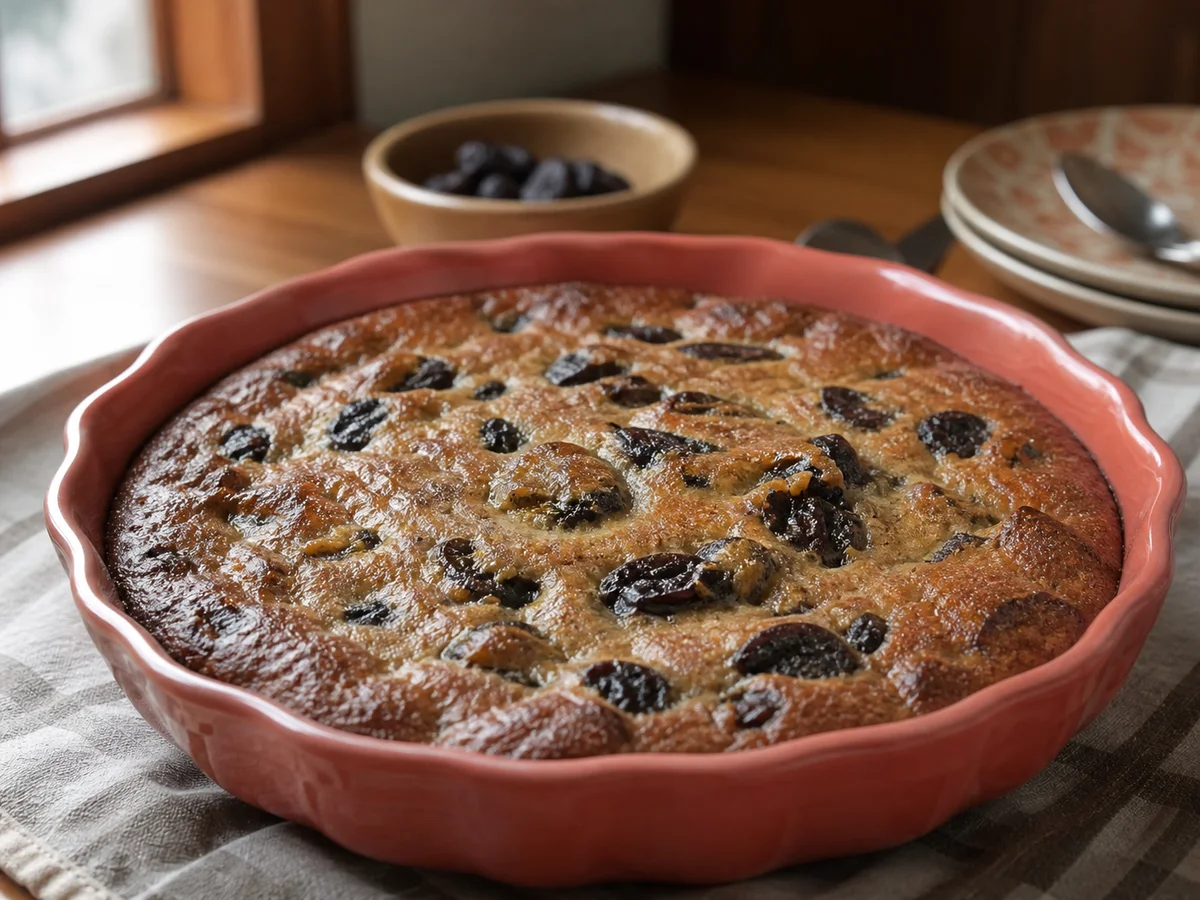
Baked prune pudding (No. 1)
A page-cited historical dessert recipe from Marion Harland, transcribed with its original method.
Prep, cook, and serving values are clearly labeled editorial estimates. This transcription still needs a verified yield and modern kitchen adaptation before WorkLife will allow it to create a shopping cart.
From the cited source
Source ingredient cues
These cues were extracted from the historical method for discovery. Use the complete source method and citation alongside them.
- Beat the yolks of four eggs light with two tablespoonfuls of sugar.
- Cook together in a saucepan one tablespoonful of butter and two of flour, and when they are blended pour upon them a scant gill of hot milk.
- beat this gradually into the yolks and sugar, and add the minced prunes.
- Beat hard for five minutes, and set aside to cool.
- When cold, add the stiffened whites of the four eggs, beat for a minute and turn into a buttered pudding-dish.
- Bake in a hot oven for half an hour.
- The sauce to be eaten with this pudding is made by heating the prune liquor, adding to it sugar, and, when this is dissolved, a dash of lemon juice.
Historical transcription
Source method
- 1
Stone and chop eighteen stewed prunes. Beat the yolks of four eggs light with two tablespoonfuls of sugar. Cook together in a saucepan one tablespoonful of butter and two of flour, and when they are blended pour upon them a scant gill of hot milk. Cook, stirring, to a thick white sauce; beat this gradually into the yolks and sugar, and add the minced prunes. Beat hard for five minutes, and set aside to cool. When cold, add the stiffened whites of the four eggs, beat for a minute and turn into a buttered pudding-dish. Bake in a hot oven for half an hour.
- 2
The sauce to be eaten with this pudding is made by heating the prune liquor, adding to it sugar, and, when this is dissolved, a dash of lemon juice.
Nutrition pending
No invented nutrition numbers.
WorkLife will publish nutrition and scalable serving quantities only after this historical transcription receives a measured modern adaptation.