Dessert
Apple pudding (No. 1)
Marion Harland’s original method for Apple pudding (No. 1), retained as a source transcription for modern discovery.
Prep, cook, and serving values are clearly labeled editorial estimates. This transcription still needs a verified yield and modern kitchen adaptation before WorkLife will allow it to create a shopping cart.
From the cited source
Source ingredient cues
These cues were extracted from the historical method for discovery. Use the complete source method and citation alongside them.
- Chop a cupful of suet to a coarse powder and stir it into three cupfuls of flour, twice sifted with a teaspoonful of baking-powder.
- Add enough milk to make a dough that can be rolled out.
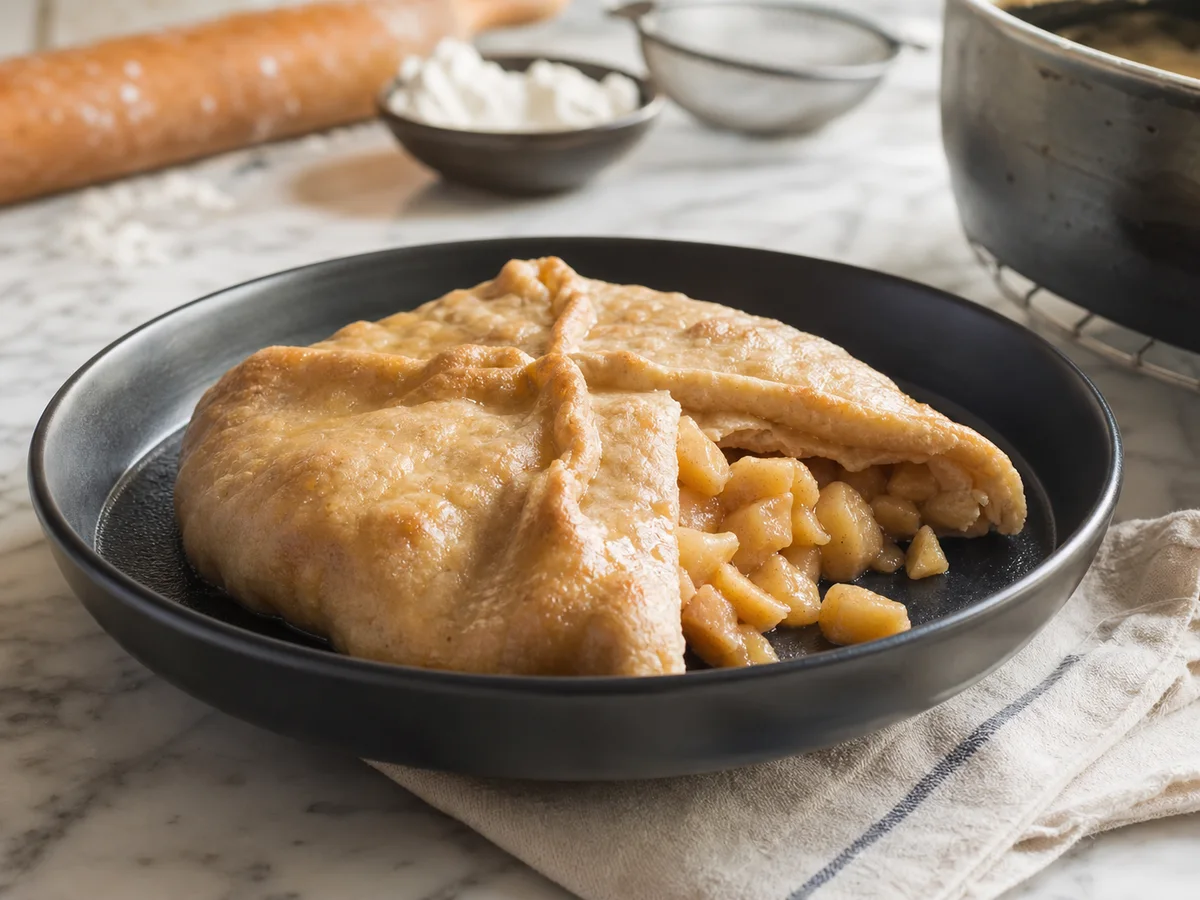
- In the center of the sheet lay three cupfuls of peeled and minced apples, strewn with sugar.
- Bring the four corners of the sheet over the fruit, and pinch the corners together in the middle.
- Lay in a steamer and cook for two and one-half hours.
Historical transcription
Source method
- 1
Chop a cupful of suet to a coarse powder and stir it into three cupfuls of flour, twice sifted with a teaspoonful of baking-powder. Add enough milk to make a dough that can be rolled out. Roll into a square sheet. In the center of the sheet lay three cupfuls of peeled and minced apples, strewn with sugar. Bring the four corners of the sheet over the fruit, and pinch the corners together in the middle. Tie up firmly with a piece of broad white tape passed twice around the pudding. Lay in a steamer and cook for two and one-half hours. Remove the tape and serve the pudding with a hard sauce flavored with lemon juice and powdered cinnamon.
Nutrition pending
No invented nutrition numbers.
WorkLife will publish nutrition and scalable serving quantities only after this historical transcription receives a measured modern adaptation.